How to Meditate in Nature for Deep Relaxation
While traditional meditation often takes place in quiet indoor spaces, the practice of **meditating in nature** offers a profound shift. The natural world acts as a powerful amplifier for mindfulness, transforming the struggle to filter out noise into an opportunity to absorb and integrate natural sounds and sights. The combination of focused breathing and the expansive, grounding environment of nature is a direct path to deep relaxation, reduced stress, and heightened sensory awareness.
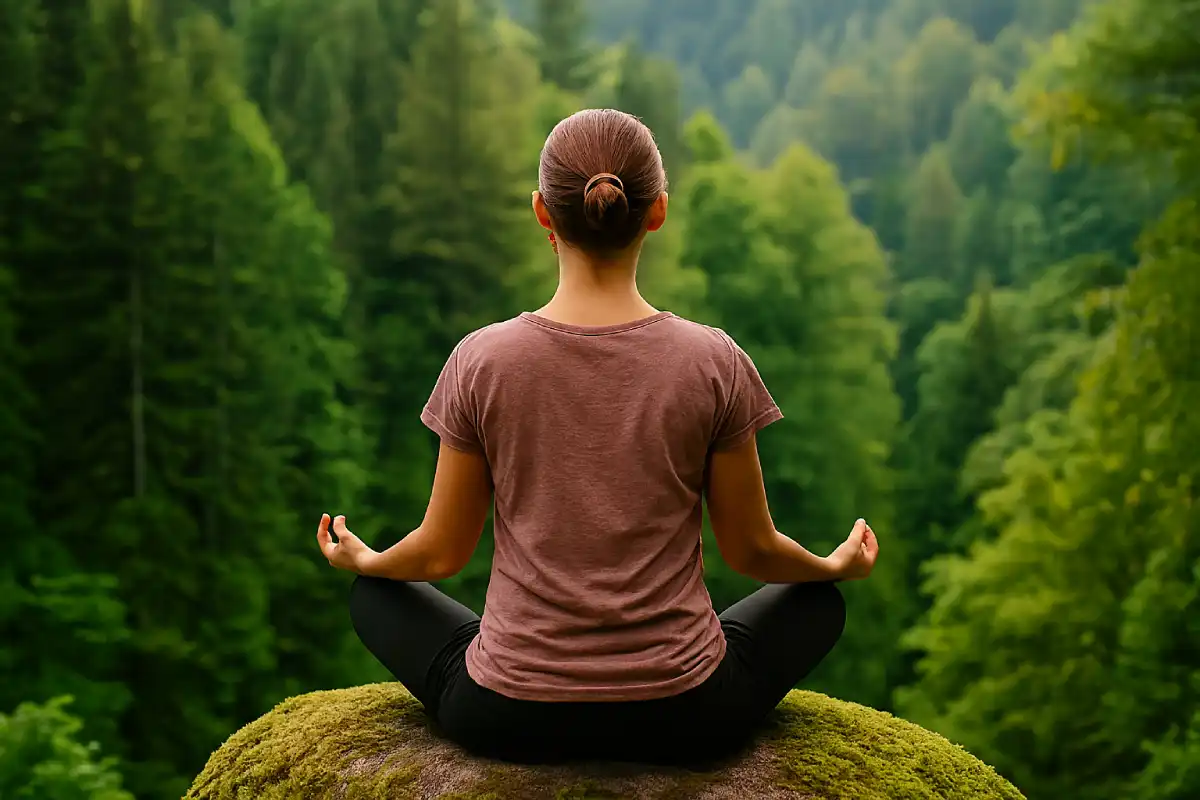
Finding Your Sanctuary: Site Selection and Comfort 🌿
A successful outdoor meditation starts with a well-chosen location that minimizes distraction and maximizes safety.
1. The Ideal Spot Criteria
Look for a place that offers both protection and grounding:
- **Safety First:** Choose an area away from steep drops, large bodies of fast-moving water, or trails where you might be disturbed by others.
- **Back Support:** A rock, tree trunk, or sturdy bench can provide necessary back support, especially for longer sits, helping you maintain posture without strain.
- **Weather Shelter:** Look for partial shade to avoid direct sun, which can overheat you or cause restless movement. If conditions are damp, use a small tarp or cushion to create a dry seat.
2. Embracing the ‘Noise’
Outdoor meditation is not about finding perfect silence; it’s about accepting ambient sound as part of the environment.
- **Avoid Suppression:** Don’t try to block out the sound of the wind, birds, or rushing water. Instead, use these sounds as your **auditory anchor**. Notice the sound, acknowledge it, and then gently return your attention to your breath.
- **The Natural Rhythm:** The irregular, non-mechanical sounds of nature are typically less disruptive to the mind than traffic or electronic noise. Allow your breathing to fall into rhythm with the natural environment.
Mindfulness Teacher’s Insight: Dr. Chloe A., Wellness Journal Contributor
“Many people make the mistake of choosing a spot with the ‘best view.’ For deep relaxation, choose a spot with the **best feeling**. A cozy nook in the woods is often far more conducive to focus than an exposed mountaintop, because the sense of enclosure can enhance safety and stillness. Focus less on spectacle and more on intimacy with the environment.”
Sensory Anchors: Techniques for Depth and Focus ✨
Use your natural surroundings to deepen your connection and achieve a state of flow.
1. Sight as Focus (Gazing Meditation)
Unlike indoor practice where eyes are often closed, nature offers opportunities for open-eye focus:
- **Soft Gaze:** Choose a natural element a leaf, a flower, the texture of moss about ten feet away. Fix your gaze on it, allowing your focus to soften and expand. This practice, known as **Trataka** in some traditions, can ground and settle the mind.
- **Forest Bathing (Shinrin-Yoku) Start:** Use your sight to fully register the colors and light filtering through the canopy, paying attention to the fractal patterns of branches and leaves.
2. Grounding the Body (Earthing)
Establish a physical connection with the Earth.
- **The Root:** Place your hands palms-down on the soil, a rock, or a tree trunk. Feel the texture, the temperature, and the subtle pressure. This physical sensation serves as a powerful anchor when thoughts become overwhelming.
- **Temperature Awareness:** Notice the sensation of air on your skin the subtle shift from shade to sun, the light breeze. Use these non-judgmental observations to pull your mind back into the present moment.
3. Walking Meditation (Kinesthetic Awareness)
If sitting proves too restless, integrate the environment into a slow walking practice.
- **The Slow Pace:** Choose a short, clear path (about 10–15 steps). Walk slowly, paying exquisite attention to the sensation of your feet lifting, moving through the air, and pressing into the ground.
- **Focus on Scents:** Use the walking meditation to absorb the scents of the forest pine, damp earth, blooming flowers allowing the olfactory sense to be your primary anchor.
Experienced Meditator’s Tip: David F., Featured in an Adventure Magazine
“My favorite technique is to **listen for the furthest sound**. I block out the immediate sounds and stretch my awareness to the quietest, farthest sound I can detect the faint chirp of a bird, the distant rush of a river, the whisper of air high in the trees. This effort of listening naturally calms the internal chatter and greatly enhances focus.”
Frequently Asked Questions About Nature Meditation
How do I deal with insects and mosquitoes while meditating?
The best way is prevention: use natural insect repellent before sitting, and wear light-colored, long clothing. If a bug lands on you, try to incorporate the sensation into your practice: acknowledge the urge to swat, breathe into the irritation, and gently return your focus to your anchor. If the disturbance is severe, gently move to a slightly different spot.
Is it better to close my eyes or keep them open outdoors?
It depends on your goal. **Closing your eyes** is traditional for deep introspection. **Keeping them open** (with a soft, downward gaze) is better for integrating the environment and practicing mindful presence. As a beginner, try both and see which one allows you to settle the most quickly.
What should I bring to sit comfortably in the woods?
The essentials are simple: a **small, thick cushion or folding pad** (to insulate you from the cold ground), water, and potentially a lightweight, waterproof tarp if the ground is damp. Wear layers, as your body temperature will drop during prolonged stillness.
Can I meditate near people, like in a public park?
Yes. Meditating in a public space is a great way to practice **mindfulness amid chaos**. The strategy remains the same: choose a semi-private spot, accept human sounds (talking, music, traffic) as passing thoughts, and use your body or breath as your steady anchor. It’s excellent training for integrating mindfulness into daily life.
How long should a nature meditation session last?
Start small, aiming for **10 to 15 minutes**. Consistency is more important than duration. Once you feel comfortable, you can extend the session to 30 minutes or more. The profound quiet of nature often makes longer sits easier and more rewarding than indoor sessions.
Conclusion: Harnessing the Earth’s Stillness
Meditation is fundamentally about connection, and there is no connection more immediate or profound than the one we share with the natural world. By approaching your practice outdoors with intention selecting a supportive space, using the elements as anchors, and accepting every sensory input without judgment you unlock a powerful state of deep relaxation. Let the earth support you, let the sounds guide you, and let the fresh air clarify your mind, transforming your time in nature into a genuine sanctuary for the soul.