How to handle emergencies with children abroad
Traveling with children is a rewarding adventure, but it adds layers of complexity, especially when considering safety and emergencies. A child's sudden illness, a lost passport, or getting separated in a crowded market requires immediate, calm, and well-rehearsed action. The foundation of successful **family travel safety** lies not just in prevention, but in **preparation** having crucial documents, medical information, and communication plans ready before disaster strikes.
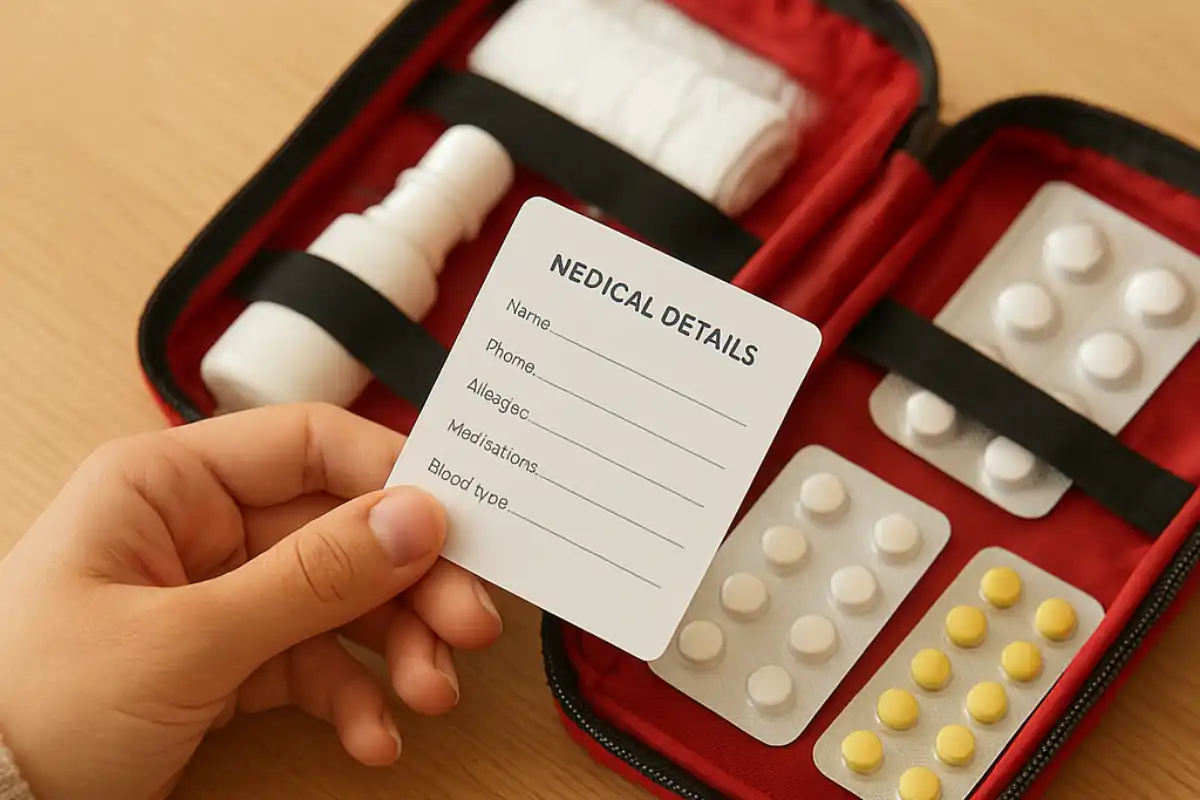
Pre-Trip Medical and Document Preparation 💊
Medical issues are the most frequent emergencies. Preparation here is non-negotiable.
1. The Vital Medical Information Kit
Keep a physical and digital copy of these documents separate from your main wallet and passport:
- **Medical Summary Card:** Create a small, laminated card listing the child’s full name, date of birth, blood type, major allergies (especially drug/food allergies), and a list of all current medications by their **generic names**.
- **Insurance and Contact:** Include your travel health insurance policy number, the 24/7 emergency contact number for the insurer, and your primary pediatrician’s contact information back home.
- **Prescription Carry:** Pack all necessary medication in its original container with the pharmacy label intact. Carry a signed letter from your doctor explaining the child’s need for any controlled or critical prescriptions.
2. Locate Local Help Beforehand
Don’t wait until the fever spikes to search for a hospital:
- **Emergency Number:** Know the local emergency number (it’s often not 911). Print this number and the address of your embassy.
- **Closest Facility:** Use Google Maps before you arrive to locate the nearest well-regarded **pediatric hospital or reputable clinic** to your accommodation. Save the address and opening hours offline.
Pediatric Travel Nurse Advice: Dr. Elena P., International Health Magazine
“Parents should create a ‘travel dose schedule.’ Before you leave, figure out the appropriate dosages for basic over-the-counter medication (painkillers, fever reducers) based on your child’s weight and the local metric system. Keep this ready in your first-aid kit. Fumbling with math and jet lag during a midnight fever is a recipe for error.”
Safety Protocols for Lost or Separated Children 🛑
The sudden realization that your child is missing in a crowd is terrifying. A plan reduces panic.
1. Rehearse the Lost Child Protocol
This plan must be taught to and rehearsed with children aged 3 and up:
- **The Designated Spot:** Agree on a distinct, visible meeting spot at every major location (e.g., the large statue, the clock tower, the central information desk).
- **The Safe Adult:** Teach your child to immediately look for a specific “safe adult” if they get lost: a mother with children, a uniformed security guard, or a shop counter attendant. They should be told **not to wander** or follow strangers.
- **The Identification Tag:** For younger kids, place a small card in their pocket or backpack containing your **name, local phone number (if you have one), and the name of your hotel**. This is faster than waiting for someone to find and dial a phone.
2. Immediate Action Protocol (The Five-Minute Rule)
If you realize your child is missing:
- **Scan and Search:** Don’t panic. Search the immediate 50-foot radius aggressively, calling their name. Children rarely go far in the first five minutes.
- **Notify Security:** After 5 minutes, immediately alert the nearest security guard, shop manager, or staff member. Provide a clear description (what they are wearing, height, hair color).
- **Stay Put:** In crowded areas, one parent should stay exactly where the child was last seen, while the other searches. Often, the child returns to the last known point.
Family Blogger’s Mantra: Jenny H., ‘Travel With Kids’ Forum
“My biggest safety hack is the **’matching bright shirt’ rule** for crowded tourist areas. Before we go out to a zoo or theme park, all three kids wear the same, specific, bright color (e.g., neon yellow). It makes them incredibly easy to spot in a sea of people, even from a distance. If one is missing, I can instantly describe a clear, uniform target to security.”
Frequently Asked Questions About Family Emergencies Abroad
What is the single most important document to have translated?
A simple, clear printout of your child’s **major allergies and necessary medications**. Have it translated into the local language, especially for food and drug allergies. This is often more critical than your passport in an immediate medical setting.
If my child needs an ambulance, should I call 911?
No, you should call the **local emergency number** for that specific country (e.g., 112 in most of Europe, 100 in parts of Asia). Research this number and write it down before you leave. In the U.S. and Canada, it is 911, but this number is non-functional or connects to the wrong service elsewhere.
How can I protect my children’s safety around water (beaches, pools)?
The best protection is constant, **active supervision**. Never rely solely on flotation devices or lifeguards. Establish a “water watch” system where one designated adult is always within arm’s reach of young children. Teach older children about rip tides, undertow, and the “buddy system” immediately upon arrival.
If my child loses their passport, what is the fastest resolution?
First, report the loss to local police immediately to get a report (needed for insurance and replacement). Second, **contact your country’s embassy or consulate**. They can issue a temporary or emergency passport, but this can take days, which is why having photocopies of the original passport is vital.
Should I be worried about kidnappings or high-level crime with children abroad?
For most tourist destinations, the risk is statistically very low. The primary concerns are common accidents, illness, and petty crime (pickpocketing). Protect yourself by avoiding flash displays of wealth, staying in safe, well-reviewed accommodations, and remaining highly aware of your surroundings, especially in crowded, unfamiliar areas.
Conclusion: Confidence Through Calm Preparation
Traveling with children introduces beautiful chaos, but handling emergencies requires replacing that chaos with control. Your best tools are not complex gadgets, but simple, meticulous preparation: a clear medical information card, a rehearsed lost-child drill, and knowledge of local emergency resources. By systematically preparing for the worst-case scenarios, you empower yourself to respond calmly and decisively, ensuring the well-being of your children and preserving the joy of your family adventure.