How to Eat Well While Backpacking Through Remote Areas
When backpacking in remote or wilderness areas, food moves from being a pleasure to a critical fuel source. Your meals must meet two opposing demands: they must be **ultra-lightweight** to carry for days, yet **calorie-dense and nutritious** enough to sustain high energy output over challenging terrain. Failing to maintain adequate nutrition can lead to fatigue, poor morale, and compromised safety.
The Science of Trail Nutrition: Calories Per Ounce ⚖️
In the backcountry, every ounce matters. The most effective way to pack food is by maximizing the **calories-per-ounce ratio**.
1. Prioritize Fats and Dense Carbohydrates
Fats offer about nine calories per gram, compared to four for protein and carbohydrates. They are your primary energy source for endurance.
- **Fats:** Pack nuts (pecans, walnuts), olive oil (re-packaged in small, secure bottles), nut butters in packets, and high-fat cheese that is shelf-stable.
- **Complex Carbs:** Rolled oats (for breakfast), dehydrated beans, quinoa, instant mashed potatoes, and pasta are excellent sources of sustained energy.
2. Protein for Repair and Satiety 💪
Protein is essential for muscle repair and keeps you feeling full. Because carrying fresh meat is impossible, rely on dehydrated sources:
- **Dried Meats:** Jerky, foil-packed tuna or chicken (ensure to carry out the packaging), or pre-cooked bacon bits.
- **Legumes and Powders:** Instant hummus mix, dehydrated refried beans, or protein powder mixed into your oatmeal or water.
3. Embrace Dehydration and Repackaging 🗑️
Never carry heavy, bulky packaging. Repackage everything into labeled, sturdy Ziploc bags. Make your own “instant” meals:
- Combine instant rice, dried vegetables, seasoning, and a source of protein (like TVP – textured vegetable protein) into one bag for a dump-and-cook dinner.
- Remove air from all bags to save space and prevent food from being crushed.
Long-Distance Hiker’s Secret: Maya, PCT Thru-Hiker and Blogger
“The single best snack for morale and energy is **high-quality olive oil mixed with tortillas and salt**. It’s incredibly calorie-dense and provides immediate fuel. Another great hack is carrying dried coconut milk powder; it instantly adds fat, calories, and richness to dehydrated soups, oatmeal, and hot drinks without the weight of liquid milk.”
Logistics, Resupply, and Cooking Strategies 📦
Eating well is as much about planning your stops as it is about planning your meals.
1. Strategic Resupply Planning (Mail Drops vs. Town Stops)
In truly remote areas, you may need to rely on **mail drops**.
- **Mail Drops:** Send pre-packaged boxes of food and supplies to post offices, gear shops, or general stores near your planned route stops. This guarantees you get exactly the food you need, especially if you have dietary restrictions.
- **Town Stops:** If you’re near small towns, calculate your mileage to ensure you arrive when stores are open. Be prepared for very limited selections you might find basic rice, beans, and canned goods, but not specialty items.
2. The Minimalist Kitchen 🍽️
Your cooking setup should be light and efficient:
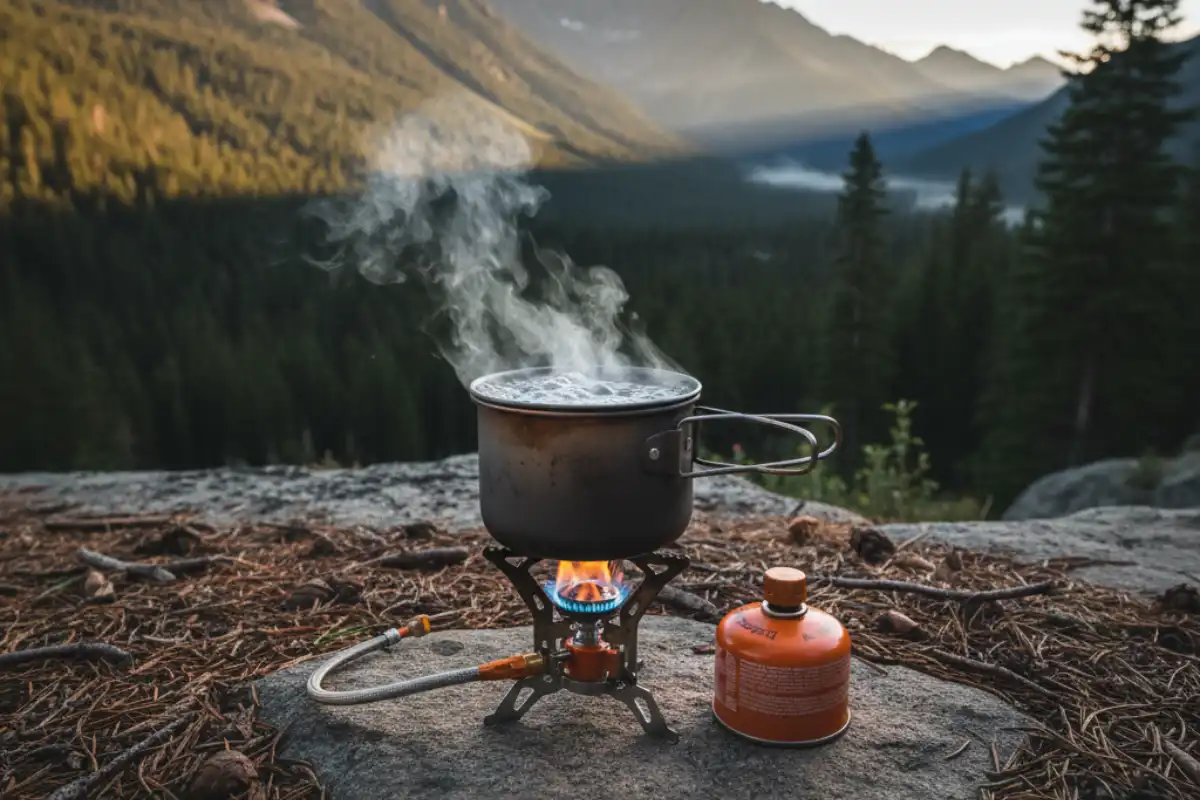
- **Stove:** A lightweight canister stove (like an MSR PocketRocket) is reliable and fast. For very long trips, consider an alcohol or solid fuel stove to save canister weight.
- **Pot:** One lightweight titanium or aluminum pot should be sufficient for boiling water and cooking simple meals.
- **Utensils:** A single spork or long-handled spoon is all you need. Eating directly out of your meal bag saves time and water (for washing).
3. Fire Safety and Water Use
Always cook away from your tent and clear an area of debris if using a stove. **Water** is always the bottleneck in remote cooking prioritize meals that require only boiling water, not long simmering or excessive cleaning.
Wilderness Guide’s Protocol: Ben, Professional Adventure Travel Leader
“Never underestimate the value of **electrolytes**. Physical exertion and sweating deplete them fast. Carry electrolyte tablets or powder (not just salty snacks) and use them strategically, especially when treating water sources you’re unsure of. They help ensure your body properly absorbs the water you’re carrying, which affects every aspect of your energy level.”
Frequently Asked Questions About Backpacking Food
How many calories should I aim to consume per day while backpacking?
For strenuous backpacking in remote areas, most adults require between **3,500 and 5,000 calories per day**, depending on body weight, terrain difficulty, and weather. Aim for a total food weight of roughly **1.5 to 2.5 pounds (0.7 to 1.1 kg)** per person per day to meet this caloric need efficiently.
Are pre-packaged dehydrated meals worth the high cost?
They are worth it for **convenience, variety, and the “no-mess” factor**. They are excellent for the first few days or for nights when you are too tired to cook. However, they are often expensive and high in sodium. For long trips, supplement with cheaper DIY dehydrated meals (oats, instant rice, dry pasta) to save money and customize flavor.
How can I carry fresh fruit or vegetables without them spoiling?
Focus on **hardy, dense produce** for the first day or two: firm apples, oranges, or carrots. Avoid soft items like bananas or tomatoes. For longer trips, rely on dried vegetables (available at many bulk food stores) which can be rehydrated in your cooking pot to add crucial fiber and vitamins.
What is the best way to safely store food from animals?
In bear country, use a **bear canister** (required in some areas) or hang your food bag from a tree limb at least 10 feet off the ground and 4 feet from the tree trunk. In all areas, never leave scented items (food, toothpaste, sunscreen) in your tent or within your immediate camp perimeter.
How much fuel should I carry for my stove?
A standard small 4-ounce (110g) canister of isobutane/propane mix is typically sufficient for **one person for 3 to 5 days** of boiling water for breakfast and dinner. Calculate your needs based on two boils per day, and always carry a small backup canister for extended trips or unexpected delays.
Conclusion: Fueling the Adventure
Eating well in remote backpacking environments is less about culinary creativity and more about calculated efficiency. By adopting a “calories-per-ounce” mindset, strategically choosing dense fats and complex carbohydrates, and mastering minimal-waste cooking techniques, you can ensure your body receives the optimal fuel for the trail. Proper food planning isn’t just about avoiding hunger; it’s about sustaining the energy, focus, and morale needed to safely enjoy the profound beauty of the wilderness. Plan smart, pack light, and enjoy every bite of your adventure.