How to Eat Sustainably While Traveling on a Budget
The intersection of **budget travel** and **sustainable eating** is often mistakenly viewed as a luxury. Many assume that eating organically or ethically means higher prices. In reality, the most cost-effective travel food strategies cooking your own meals, buying local, and reducing waste are naturally the most environmentally friendly. Sustainable eating, at its core, means minimizing your travel footprint by choosing local, seasonal, and resource-efficient foods.
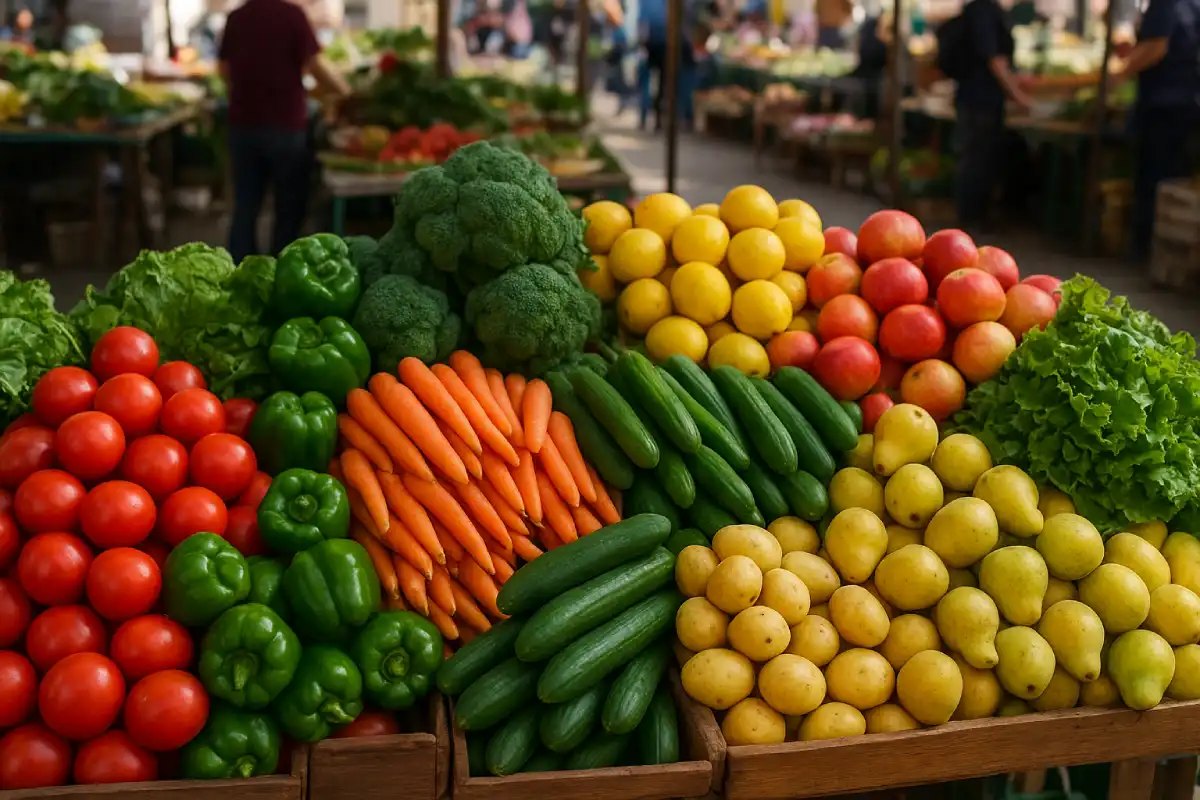
The Zero-Waste Toolkit and Sourcing Local 🧺
The biggest impact you can make is avoiding single-use plastic and supporting short supply chains.
1. Essential Carry-On Kit
A small, reusable kit dramatically cuts down on plastic waste and food costs:
- **Cutlery and Container:** Carry a reusable metal fork, spoon, and chopsticks, plus a lightweight, sealable food container (like Tupperware or a collapsible silicone box). This allows you to take restaurant leftovers (saving money and avoiding waste) or safely buy unpackaged market food.
- **Water Bottle and Coffee Cup:** Invest in a reliable filter water bottle (like LifeStraw or Grayl) for safe drinking globally, eliminating single-use plastic bottles forever. Always carry a reusable coffee cup for takeaway drinks.
- **Reusable Shopping Bag:** Use a small, foldable cloth bag for market trips. Avoid those flimsy plastic bags common in produce sections.
2. Embracing Local Markets and Seasonality
This is the golden rule for both budget and sustainability:
- **Go Local:** Avoid large chain supermarkets. Shop at **farmer’s markets (mercados, souks, bazaars)**. Food is often cheaper, unpackaged, and you directly support the local growers rather than international corporations.
- **Eat Seasonally:** Only buy fruits and vegetables that are clearly abundant and in season in that region. These require less energy for storage and transportation, and are usually the cheapest items available.
- **Ask for “The Ugly”:** In markets, ask vendors for produce that is slightly bruised or oddly shaped. It’s perfectly good, often sold at a discount, and helps reduce food waste.
Digital Nomad Food Expert: Alice K., Sustainable Living Magazine
“My biggest saving and sustainability tip is to utilize the **’local grain and legume’ rule**. Research the local staple grain (e.g., rice in Asia, corn/beans in Latin America, couscous in North Africa). Buy it in bulk from a local grocer. This one ingredient is universally cheap, highly nutritious, and has a smaller footprint than imported, processed foods.”
Mindful Consumption and Plant-Forward Choices 🌱
Your food choices, even on vacation, carry an environmental weight. Prioritize resource-efficient options.
1. Prioritize Plant-Based Meals
Reducing meat consumption, particularly beef, is one of the most significant ways to lower your carbon footprint.
- **The 80/20 Rule:** Aim for 80% of your meals to be vegetarian or vegan. Many of the world’s most budget-friendly staples (lentils, chickpeas, rice, beans, potatoes) are naturally plant-based.
- **Eat Lower on the Food Chain:** If you eat animal products, choose locally sourced eggs, chicken, or sustainable fish over resource-intensive beef and dairy.
2. Choose Restaurants and Street Food Wisely
When dining out, look for signs of responsible practices:
- **Look for Authenticity:** Choose restaurants that offer simple, authentic local cuisine. These places usually rely on local, seasonal ingredients, which is inherently more sustainable than places serving imported, generic “international” fare.
- **Avoid Waste:** Politely ask for smaller portions, or immediately request a box for leftovers. Do not order more than you can realistically eat.
- **Filter Water:** If offered water, ask if it has been filtered locally or comes from a large, refillable jug, rather than a small plastic bottle.
Backpacker’s Insight: Leo B., Reddit r/Travel Subreddit
“Always check for **zero-waste refill stations** for toiletries, spices, and dried goods, which are becoming common in many Western and Southeast Asian cities. I carry a small pouch of reusable mesh bags for spices, beans, and dried fruit, avoiding all the expensive little plastic supermarket packets.”
Frequently Asked Questions About Sustainable Budget Eating
Is it possible to stay zero-waste if I don’t have a kitchen?
Yes, though it’s harder. Focus on waste prevention: carry your own container for street food takeaways, buy unpackaged fruits/nuts from markets (no plastic bag needed), and always refuse disposable cutlery. You can still aim for **low-waste** even without a full kitchen.
How can I ensure the seafood I eat is sustainable?
Research the **local catch**. Avoid globally overfished species (like certain tuna or farmed shrimp) and instead opt for locally abundant, small, wild-caught fish. When in doubt, ask the restaurant or market vendor what they recommend that was caught or sourced that same morning.
Are imported organic foods better than local, non-organic foods?
**No.** The environmental cost of flying organic food halfway across the world (transportation emissions) usually far outweighs the difference between local organic and local conventionally grown food. Always prioritize **local and seasonal** first.
How do I find local markets that aren’t just for tourists?
Use online tools or apps to find markets that operate mid-week, not just on weekends. Search for “public market,” “farmer’s collective,” or “wet market” (in Asia) rather than just “tourist market.” Go early in the morning when the local vendors are shopping for the freshest, cheapest goods.
Does eating street food help local sustainability efforts?
Often, yes. Street food vendors usually source their ingredients locally and cook in small batches, which minimizes storage and transport costs. By purchasing food directly from small vendors, you support the grassroots economy and reduce the demand for large, inefficient international food distribution chains.
Conclusion: Every Bite is a Choice
Sustainable eating on a budget is simply a matter of returning to traditional, sensible food practices: eating local, seasonal produce, cooking your own meals when possible, and eliminating unnecessary waste. By packing a few reusable items and choosing plant-forward meals, you align your travel budget with your environmental values. This mindful approach to food not only saves you money but also deepens your connection to the local culture, proving that ethical eating can be the most rewarding way to experience the world.