How to Eat for Free: Volunteering for Meals While Traveling
For the ultimate budget traveler, cutting the cost of food is often the final frontier. While accommodation can be secured cheaply (or even for free via Couchsurfing), three square meals a day can quickly deplete a tight budget. The solution isn't scavenging or subsisting on instant noodles; it's leveraging the valuable currency of **time and skill** through work-for-food exchanges. This practice, often combined with free or low-cost accommodation, is the backbone of deep, long-term budget travel.
Where to Find Food-for-Work Opportunities 🤝
The best food exchange opportunities are found in places that inherently need temporary, manual labor and have a kitchen dedicated to staff/volunteers.
1. Direct Exchange Platforms (Work & Food Focused)
While many platforms focus on accommodation exchange, some have strong food components:
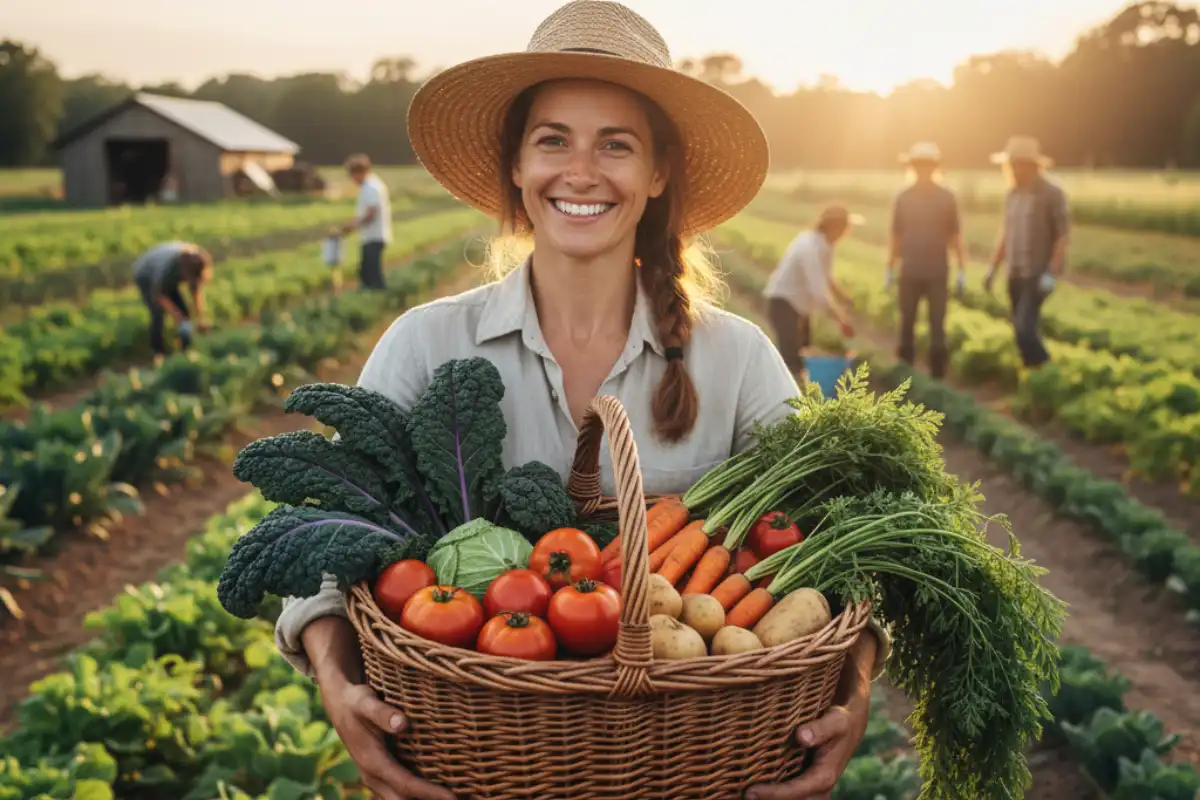
- **WWOOF (World Wide Opportunities on Organic Farms):** WWOOF connects volunteers with organic farms. The primary exchange is generally **room and board**, which means all your meals are typically included in exchange for 4-6 hours of farm work per day. This is one of the most reliable ways to guarantee free, high-quality food.
- **HelpX (Help Exchange):** Similar to WWOOF, but includes a wider variety of hosts like hostels, guesthouses, and schools. Always check the host’s profile carefully; a ‘full board’ arrangement means all meals are included.
2. Local Hospitality Businesses (Short-Term Focus)
These places often require short, last-minute help, making them perfect for travelers passing through a town for a few days:
- **Hostels & Guesthouses:** Approach the front desk and ask if they need a few hours of help during the busiest times (e.g., check-out or dinner prep). Offering to **wash dishes, clean common areas, or help with breakfast service** in exchange for that day’s meals is a frequent arrangement.
- **Independent Restaurants or Cafés:** This works best in small, tourist-friendly towns. Ask the owner directly if you can help with basic tasks like bussing tables or sweeping the patio for a free meal. This often works best right before the lunch or dinner rush.
Experienced Food Hacker’s Insight: David, from a Budget Backpacking Guide
“My biggest success was offering my simple skill data entry to a small guesthouse in exchange for their breakfast and dinner buffet access. It was only an hour of easy work each day, and I ate like a king. **Don’t just offer cleaning; offer a simple digital skill** if you have one.”
The Pitch and Practicality: Making the Deal 🤝
Securing a food-for-work exchange requires confidence, a clear offer, and respect for the host’s time.
1. Be Specific About Your Offer and Time ⏰
When approaching a business, don’t just ask for “work for food.” Say: “I’m available for a total of **two hours this evening**, from 5 PM to 7 PM. I can wash dishes, clear tables, or help prep vegetables, in exchange for tonight’s staff meal.” A clear, time-boxed offer is easier for a busy manager to accept than a vague request.
2. Emphasize Reliability and Skills 🌟
If you have any relevant skills even basic cooking, gardening, or cleaning highlight them. Hosts are more willing to exchange food when they know you’ll be a productive, responsible asset. If you can speak a few words of the local language, use that as a key selling point for hospitality work.
3. Long-Term Strategy: Combining Food and Shelter
The most effective strategy is to secure a full **room and board** exchange. While Workaway and HelpX often require a small membership fee, securing free accommodation *and* free food for a month can save you hundreds, if not thousands, of dollars. This is the foundation of truly zero-cost travel, making the membership fee a worthwhile investment.
Solo Traveler’s Advice: Lena, Travel Writer for a Niche E-Zine
“Always check what the ‘meal’ means before agreeing. In some exchanges, it might mean access to basic ingredients and you cook it yourself (still great!). In others, it’s a full family meal cooked by the host. Make sure the food provided meets your dietary needs, especially if you have restrictions like vegetarianism.”
Frequently Asked Questions About Food Exchange Travel
Is it generally expected that I will also receive free accommodation?
For formal exchange platforms like WWOOF or HelpX, the standard deal is usually **both accommodation and meals** in exchange for 4-6 hours of work per day. For short, direct approaches at local restaurants or hostels, the exchange is often just for the meal, as they might not have a spare bed to offer.
What kind of food quality can I expect from a volunteer exchange?
The quality is often excellent and authentic, as you are eating what the hosts or staff eat. At farms, the food is often incredibly fresh and organic. At hostels, it’s typically a simple but substantial communal meal. It’s almost always better and more authentic than cheap tourist restaurant food.
Do I need to sign a contract for these kinds of exchanges?
For short, on-the-spot agreements (e.g., two hours of work for one dinner), a simple verbal agreement is standard. For longer exchanges found through platforms (WWOOF/HelpX), there is often an informal agreement or understanding defined on the platform, which serves as a contract, outlining work hours and provided meals/lodging.
Is this a safe way to travel and work?
Yes, provided you use reputable platforms and check reviews meticulously. Never commit to an exchange that feels vague or where the host has poor communication or zero references. For local, short-term exchanges, always work in a public area like a kitchen or dining room.
What if I have strict dietary needs (e.g., vegan, gluten-free)?
You must communicate your dietary needs clearly **before** agreeing to the exchange. Farms (WWOOF) are often the most accommodating, as they grow their own produce. Hospitality businesses may be less flexible, as they cook for a large staff. Be prepared to supplement your meals if the host cannot fully accommodate your restrictions.
Conclusion: Turning Time into Taste
The food-for-work exchange is a powerful, ethical, and delicious way to travel for less. It transforms a major travel expense into a rewarding cultural experience. By researching exchange platforms, practicing confidence in your pitch, and offering a fair trade of your time and skills, you can unlock a world of authentic, home-cooked meals. This strategy embodies the spirit of sustainable travel: you contribute to a local business or farm, and in return, you receive sustenance that is often richer in flavor and meaning than anything you could buy.