How to choose safe neighborhoods for your stay
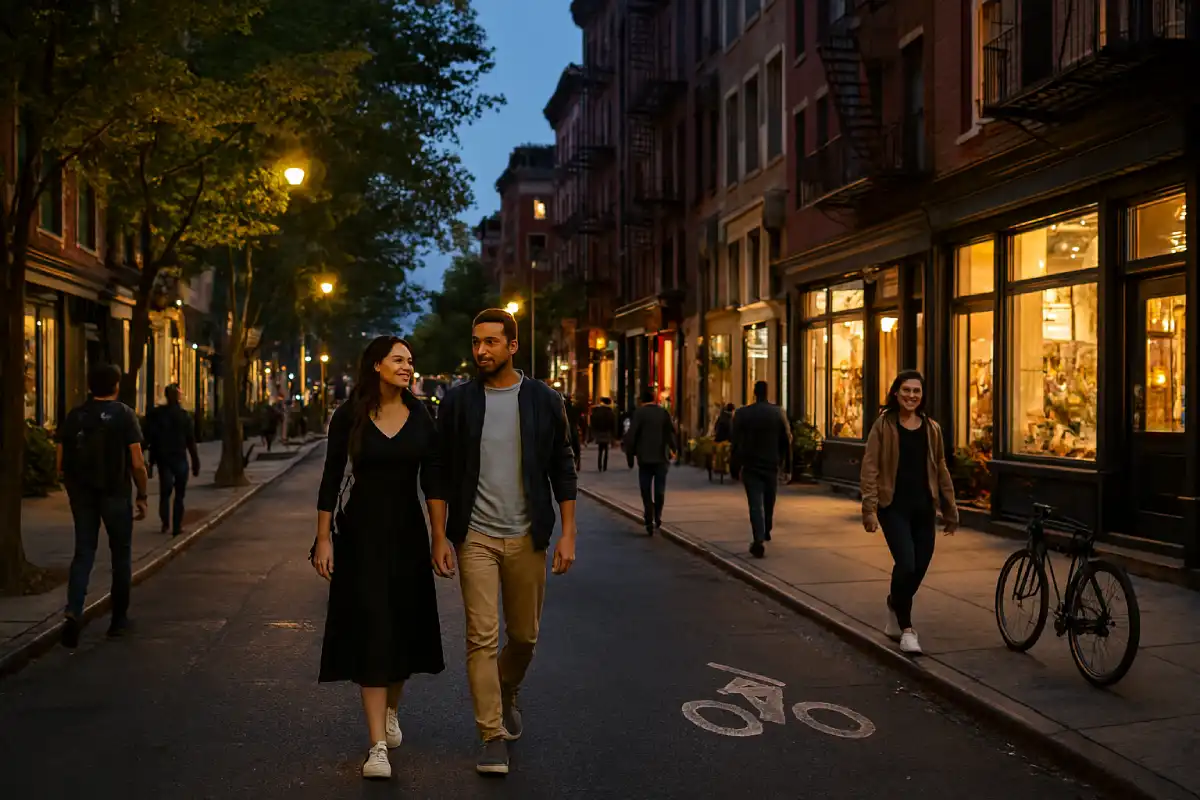
The safety of your travel experience begins long before you arrive it starts with **choosing the right neighborhood**. Booking cheap accommodation in a high-risk area can negate any savings and expose you to unnecessary danger, impacting your overall enjoyment and security. Safety isn't just about low crime rates; it's about accessibility, lighting, and a general feeling of comfort, especially when returning to your stay after dark.
Pre-Booking Digital Vetting 🔍
Your smartphone is the most powerful tool for initial safety checks.
1. Utilize Google Tools for Visual Inspection
Don’t just look at the accommodation photos; examine the area around it:
- **Google Street View:** Spend time “walking” the street at different times of the simulated day. Check for good **street lighting**, clear sidewalks, and the presence of amenities (cafes, open stores, banks).
- **Map Pinpoint:** Verify the actual distance from the accommodation pin to major transit hubs or tourist sites. A location that looks central but is in a poorly serviced pocket can create safety issues, particularly if you rely on walking late at night.
- **Public Transit Access:** Look up the closest subway or bus stop. Safe neighborhoods generally have accessible, well-used, and well-maintained public transport.
2. Scrutinize Reviews for Key Words
Dig beyond the five-star ratings and look for specific qualitative clues:
- **Search Terms:** Use the review search function on booking sites (Airbnb, Booking.com) to look for words like “loud,” “**sketchy**,” “**walkable**,” “safe at night,” “police,” or “felt uncomfortable.”
- **Specific Times:** Pay attention to reviews that mention the area after dark. An area can be safe during the day but rapidly change character in the evening.
- **Host/Owner Warnings:** If the host or owner includes extensive, unusual instructions regarding door security, neighborhood behavior, or avoiding certain streets, treat that as a major red flag.
Experienced Solo Traveler’s Advice: Liam K., Travel Security Forum
“My pre-check ritual is to search the neighborhood name plus ‘crime statistics’ or ‘local forum.’ Many cities have publicly available, geo-tagged crime maps. While these shouldn’t be your only source, they quickly highlight concentrated problem areas near major tourist districts that the booking websites won’t mention. **Never stay right next to a major train station**; they often attract pickpockets and panhandlers.”
Local Insights and Red Flags to Avoid 🚩
A few immediate indicators can tell you more about an area than any website.
1. The Feel of the Neighborhood
Use local knowledge to supplement your digital research:
- **Demographics:** Ask on relevant online forums (Reddit, specific Expat Facebook groups) for an opinion on the neighborhood name. Locals can tell you which areas are undergoing gentrification vs. which are long-standing high-risk zones.
- **Commercial Activity:** Safe areas usually have a healthy mix of local activity, such as busy cafes, bakeries, or small businesses open late. A street with only closed, boarded-up storefronts or an unusual concentration of just one type of establishment (e.g., adult shops, money-lending businesses) can be a negative sign.
2. Physical Red Flags
Keep an eye out for these subtle, yet crucial, environmental cues:
- **Graffiti and Vandalism:** While street art is common, look for graffiti that appears related to gang activity or excessive vandalism (broken windows, trash accumulation). This suggests a lack of community care or police presence.
- **Poor Infrastructure:** Badly maintained sidewalks, frequent uncollected garbage, or non-functional streetlights are often indicators of a lower investment in public safety and infrastructure, which can correlate with higher crime rates.
- **Lack of Foot Traffic:** A completely deserted area, even a quiet residential street, can feel unnerving at night. You want enough foot traffic to feel comfortable, but not so much that it’s chaotic.
Safety Journalist’s View: Anna B., Global Travel Magazine
“If you arrive in a new city and have a hotel reservation, take a **taxi or ride-share directly to the door**. Once you’ve checked in, leave your bags, and take a 10-minute walk around the immediate blocks *before* dark. If your gut feeling is off if you see groups lingering, the lighting is bad, or you feel pressured it’s always worth paying to move. Your peace of mind is invaluable.”
Frequently Asked Questions About Neighborhood Safety
Are tourist areas automatically the safest neighborhoods?
No, not always. While tourist areas have more police presence, they are also **magnets for petty crime** like pickpocketing and bag snatching, as thieves know tourists carry cash and valuables. It’s often safer to stay just one or two blocks away from the main hub in a quiet residential area.
How can I check the safety of a neighborhood in a foreign city without specific local knowledge?
Use international resources. **Search the city name + “expat forum”** to find online communities of foreigners living there. Post a quick question asking for feedback on your specific area. These residents offer unbiased, current, and realistic assessments of local safety.
Is it safer to book a hotel over an Airbnb in a questionable area?
Generally, yes. Hotels offer **24/7 lobby security, locked entry points, and recorded surveillance**, which adds a layer of protection that a private apartment often lacks. If you are unsure about the neighborhood, the extra security layer of a hotel is usually worth the investment.
Should I be concerned about an area near a large park or green space?
Yes, use caution. Large parks are excellent during the day, but their lack of lighting and sparse foot traffic at night can make them high-risk areas. If your accommodation is near a large park, ensure your primary routes home avoid cutting through the park after sunset.
What is a good benchmark for assessing night-time walkability?
The best benchmark is the **”Eyes on the Street”** principle. A safe, walkable area at night has people out (not too many, not too few) and features like cafes, residential windows, or open businesses that ensure there are eyes observing the street, discouraging crime. Poorly lit, completely deserted streets are the opposite.
Conclusion: Invest in Peace of Mind
Choosing a safe neighborhood is the best initial investment you can make in your trip’s security and enjoyment. It requires moving beyond glossy website pictures and engaging in detailed research using digital tools to inspect the environment, reading between the lines of traveler reviews, and seeking out local expertise. By prioritizing **safety and comfort** over a marginal cost saving, you establish a secure foundation that allows you to explore your destination with confidence and peace of mind.