How to Avoid Tourist Traps in Restaurant Districts
As we step into the travel season of 2026, the global culinary landscape has never been more vibrant or more predatory. In famous restaurant districts from Rome’s Trastevere to Tokyo’s Shinjuku, the line between an "authentic experience" and a "tourist trap" is increasingly thin. While food bloggers and social media influencers often push the same five "viral" spots, seasoned travelers are moving in the opposite direction. According to 2026 insights from The Gastronomist's Journal and active threads on Reddit’s TravelHacks, "gastronomic deception" is at an all-time high. To help you navigate these culinary minefields, we’ve synthesized advice from professional food critics, local residents, and digital nomads who have mastered the art of the perfect meal. This guide will ensure you never pay for a mediocre plate of pasta or a lackluster taco ever again.
1. The Anatomy of a Tourist Trap: Visual Red Flags
Before you even look at a menu, the environment of a restaurant tells a story. In 2026, traps have become more sophisticated, often mimicking “rustic” or “hipster” aesthetics to lure in the Instagram crowd. However, certain universal indicators remain constant.
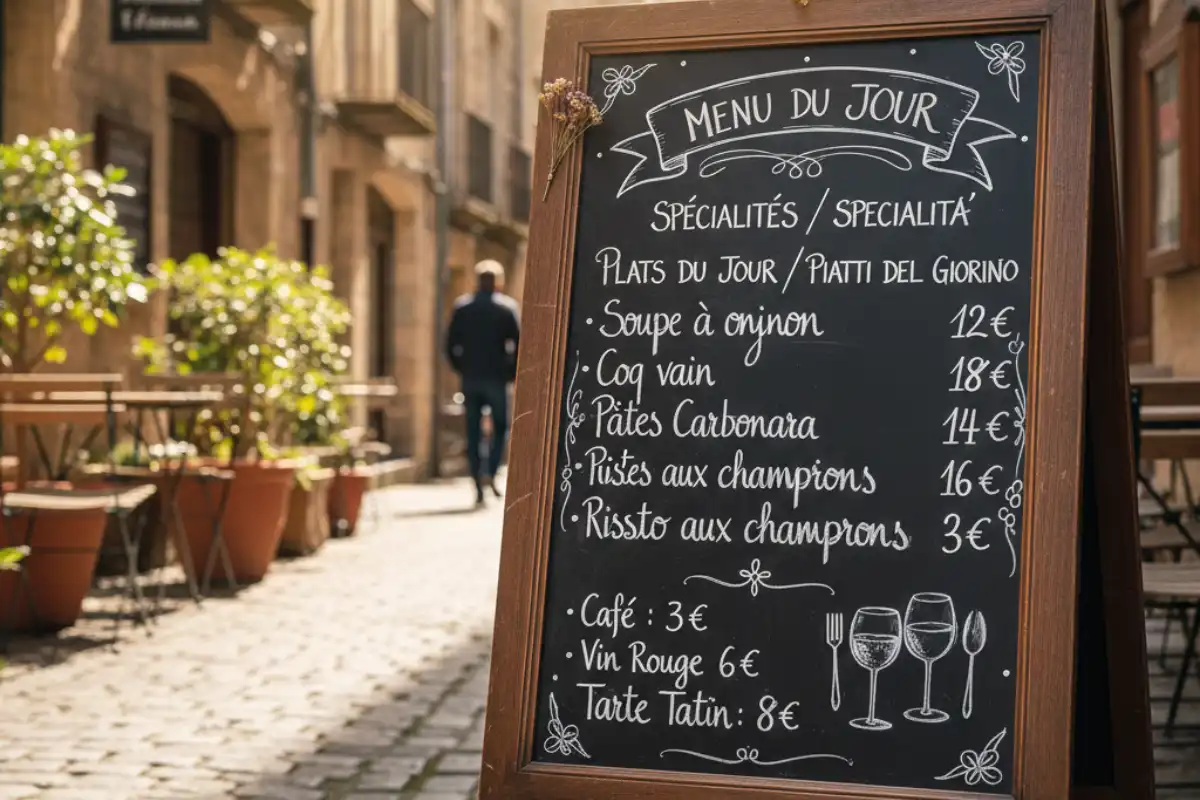
- **The Multilingual Mega-Menu:** If the menu is displayed on a massive board in six different languages (especially with faded photos of the food), keep walking. Authentic spots usually have smaller, seasonal menus in the local language.
- **The “Street Barker”:** In many high-traffic areas, restaurants employ hosts to literally pull you in. “A great restaurant doesn’t need to kidnap its customers,” notes one veteran traveler on TripAdvisor. If they are aggressively inviting you, the food likely can’t speak for itself.
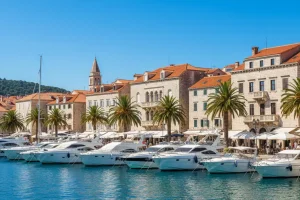
- **Prime Square Real Estate:** Generally, restaurants located directly on a major tourist square (like St. Mark’s Square in Venice) pay such high rent that they often cut costs on ingredients to survive. Walk three blocks into the side streets for a 40% price drop and a 100% quality increase.
2. Digital Due Diligence: Beyond the 5-Star Rating
In 2026, AI-generated fake reviews have made rating platforms harder to trust. A restaurant with a perfect 5.0 score might be more suspicious than one with a 4.2. Authenticity is messy.
Pro-Tip: Use the “Language Filter” Hack
“When checking reviews on Google Maps or Yelp, filter for reviews in the local language only,” advises a digital nomad on TikTok. “If the locals are complaining while the tourists are cheering, you’re looking at a trap that caters to foreigners who don’t know what the ‘real’ dish should taste like.”
Check the Timestamp
A common trap strategy is to have a “grand opening” with stellar quality, only to pivot to low-grade ingredients once the reviews are locked in. Look at the reviews from the last three months specifically to see the current state of the kitchen.
3. Watch the Clock and the Crowd
Timing is everything. If you are eating dinner in Spain at 6:00 PM, you are surrounded by tourists. To find the real gems, you must align your internal clock with the local pulse.
- **The Empty Room Rule:** If a district is packed but a specific restaurant is empty during peak local dining hours, there is a reason. Conversely, a line of locals (not just tourists with suitcases) is the ultimate endorsement.
- **Check the Tables:** Do you see people wearing their cameras around their necks, or do you see office workers with rolled-up sleeves? Authentic restaurants are the fuel for local life.
- **Tablecloths and “Coperto”:** In many European districts, the presence of fancy, pre-set tablecloths can indicate a “sitting fee” or a setup designed to look more expensive than the food actually is. Look for the “unpretentious” spots with paper mats or bare wood.
Frequently Asked Questions: Dining Like a Local
What is a “tourist menu” (Menu Turistico)?
It is a fixed-price meal that usually includes a starter, main, and drink. While it looks like a bargain, it is almost always made with frozen, mass-produced ingredients. Authentic “Menu del Dia” (Menu of the Day) spots usually have their options handwritten on a board and change daily based on market availability.
How do I know if the reviews are fake?
Look for patterns. If ten reviews in a row use similar phrasing (“best meal of my life!”, “must visit!”), they are likely bot-generated. Real reviews usually mention specific dishes, server names, or even small complaints alongside praise.
Are famous “historic” cafes always traps?
Not necessarily, but they are “experience” traps. You are paying for the history and the view, not the culinary excellence. If you want a coffee at a 200-year-old cafe, stand at the bar (the Italian way) to save money, rather than sitting at a table where the price might triple.
Should I avoid restaurants that have “English Menus”?
Not at all English is a global language. The red flag is when the English menu has different (higher) prices than the local one, or when the English menu is the only one available. In 2026, most good restaurants use QR codes that translate automatically.
What’s the best way to ask locals for recommendations?
Don’t ask “Where is a good restaurant?” Ask “Where do you go to eat with your family on a Sunday?” or “Where is the best dish in this neighborhood?” This forces a more specific, personal answer.
Conclusion: Trust Your Instincts Over the Hype
The golden rule of avoiding tourist traps in 2026 is simple: **curiosity over convenience.** Traps are designed to be the easiest option located on the main path, with bright signs and friendly barkers. Real culinary treasures require a bit of hunting, a few wrong turns down narrow alleys, and the willingness to try a menu you might not fully understand. By looking for the subtle cues the local language, the seasonal ingredients, and the lack of flash you turn a simple meal into a travel highlight.
Would you like me to help you research the best “locals-only” neighborhoods in a specific city for your next trip?