Hot spring destinations for winter wellness
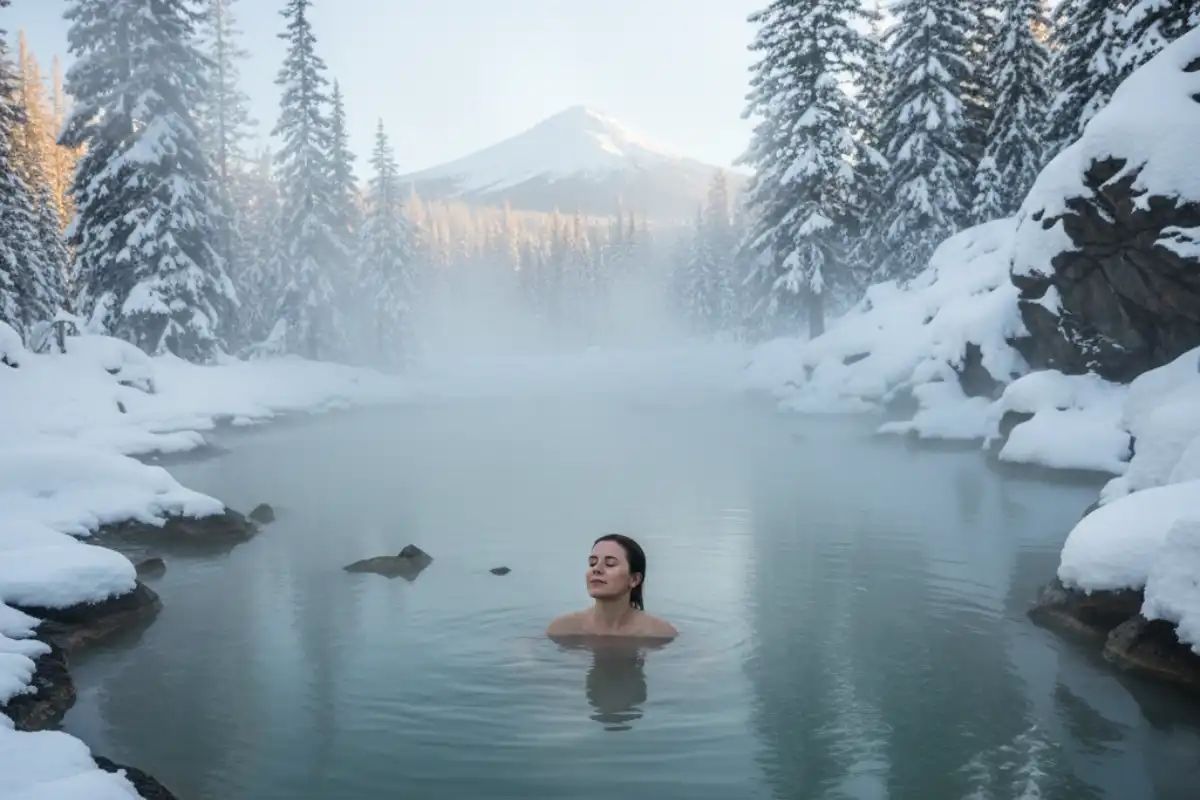
There is a profound, primal satisfaction in escaping the sharp chill of winter by sinking into the warmth of natural **hot springs**. These geothermal havens offer more than just physical comfort; they are destinations for deep **winter wellness**, providing therapeutic benefits derived from the Earth’s natural minerals.
The Therapeutic Benefits of Thermal Water
The wellness aspect of hot springs is rooted in hydrotherapy and the unique composition of the water:
- **Muscle Relaxation and Circulation:** The heat dilates blood vessels, increasing blood flow throughout the body. This is crucial for **soothing sore muscles** after winter sports and for overall cardiovascular health.
- **Mineral Absorption:** Different springs are rich in different minerals (sulfur, calcium, magnesium, silica). For example, **sulfur** is often credited with helping skin conditions like eczema, while **silica** is believed to be beneficial for collagen production.
- **Stress Reduction:** The combination of natural heat, quiet settings, and the hydrostatic pressure of the water provides a meditative, deeply relaxing experience that aids in **cortisol reduction** and better sleep.
Premier Global Hot Spring Destinations
1. Rotorua, New Zealand: The Geothermal Heart of Māori Culture
Located on the North Island, Rotorua is famous for its powerful geothermal activity, including geysers and mud pools. The hot springs here are deeply integrated into **Māori traditions** and healing practices.
- **Wellness Focus:** Visitors can experience mineral baths and therapeutic mud treatments, which are rich in sulfur and iron, touted for their anti-inflammatory properties.
- **Traveler Insight:** “The Māori-run spas offer an incredible cultural component alongside the soak. It wasn’t just a bath; it was a ritual centered on natural healing. The contrast of the thermal heat and the crisp Southern Hemisphere winter air was invigorating.” (Source: Global Wellness Traveler Blog)
2. Hakone, Japan: Onsen with a View of Fuji
Easily accessible from Tokyo, the Hakone region is a classic destination for experiencing the traditional Japanese *onsen*. Winter adds a layer of serene beauty, especially if the outdoor baths (*rotenburo*) are dusted with snow.
- **The Retreat:** Staying at a *ryokan* with a private or communal *rotenburo* allows for total immersion into quiet, mindful relaxation, often accompanied by exquisite multi-course *kaiseki* dinners.
3. Budapest, Hungary: The Thermal Bath Capital
Budapest sits atop a massive network of thermal springs, resulting in grand, historic bathhouses like **Széchenyi** and **Gellért**. Bathing here is a social and architectural experience.
- **The Appeal:** The enormous outdoor thermal pools are kept warm enough for swimming and socializing even during the deepest central European winter, creating a memorable steaming tableau against the frosty city skyline.
Tips for a Restorative Winter Soak 💧
To maximize the wellness benefits, approach your thermal experience strategically:
- **Stay Hydrated:** The combination of dry winter air and hot water can lead to rapid dehydration. Drink plenty of water (not alcohol) before, during, and after bathing.
- **Embrace the Cold Plunge:** If available, alternating between the hot spring and a quick cold shower or cold plunge pool is highly beneficial for the circulatory system, providing a natural energy boost.
- **Limit Soaking Time:** Avoid prolonged exposure (more than 20 minutes at a time) to very hot water to prevent overheating. Take breaks to cool down.
Dermatologist’s Note on Skin Care
“Thermal water, especially sulfur or high-mineral water, can be dehydrating. Always shower thoroughly post-soak to remove residual minerals, and immediately apply a thick, hydrating cream or lotion to lock in moisture and protect your skin against the cold outdoor air.” (Source: Dermatology and Spa Medicine Review)
Frequently Asked Questions About Hot Spring Wellness
What is the ideal water temperature for therapeutic soaking?
Most experts suggest a temperature between 37C and 40C (98F to 104F). This range is warm enough to relax muscles and raise body temperature without posing a risk of overheating or scalding.
Should I soak before or after a strenuous winter activity?
It’s generally recommended to soak **after** strenuous activity, such as skiing or hiking. The heat helps flush lactic acid from the muscles, speeding up recovery and reducing next-day soreness.
Is it necessary to shower before entering a public thermal bath?
Yes, absolutely. In many countries, especially Japan (onsen) and Hungary, a thorough rinse/shower before entering the communal pool is not just polite but mandatory for hygiene and to respect the bathing culture.
Are hot springs beneficial for people with joint pain?
Many studies suggest thermal bathing can offer temporary relief for chronic joint conditions like arthritis. The buoyancy reduces stress on joints, and the heat can improve mobility. Springs rich in sulfur and magnesium are often specifically recommended for this purpose.
Can I drink the water from the hot springs?
Unless the spring is specifically designated and tested as a “drinking spring” or “pumping well” (common in European spa towns), you should **never** drink the water. The mineral content and potential bacterial load can be harmful if ingested.
Conclusion: A Healing Journey into Winter 💖
Choosing a hot spring destination for winter wellness is choosing intentional rest. The combination of spectacular, cold scenery and the deep, pervasive warmth of mineral water provides a sensory richness unmatched by standard spa treatments. By integrating the therapeutic benefits of the water with mindful relaxation, these destinations offer a profound and holistic path to physical and mental restoration during the coldest months.