Hong Kong’s Skyline Secrets: Best Viewpoints and Rooftop Bars
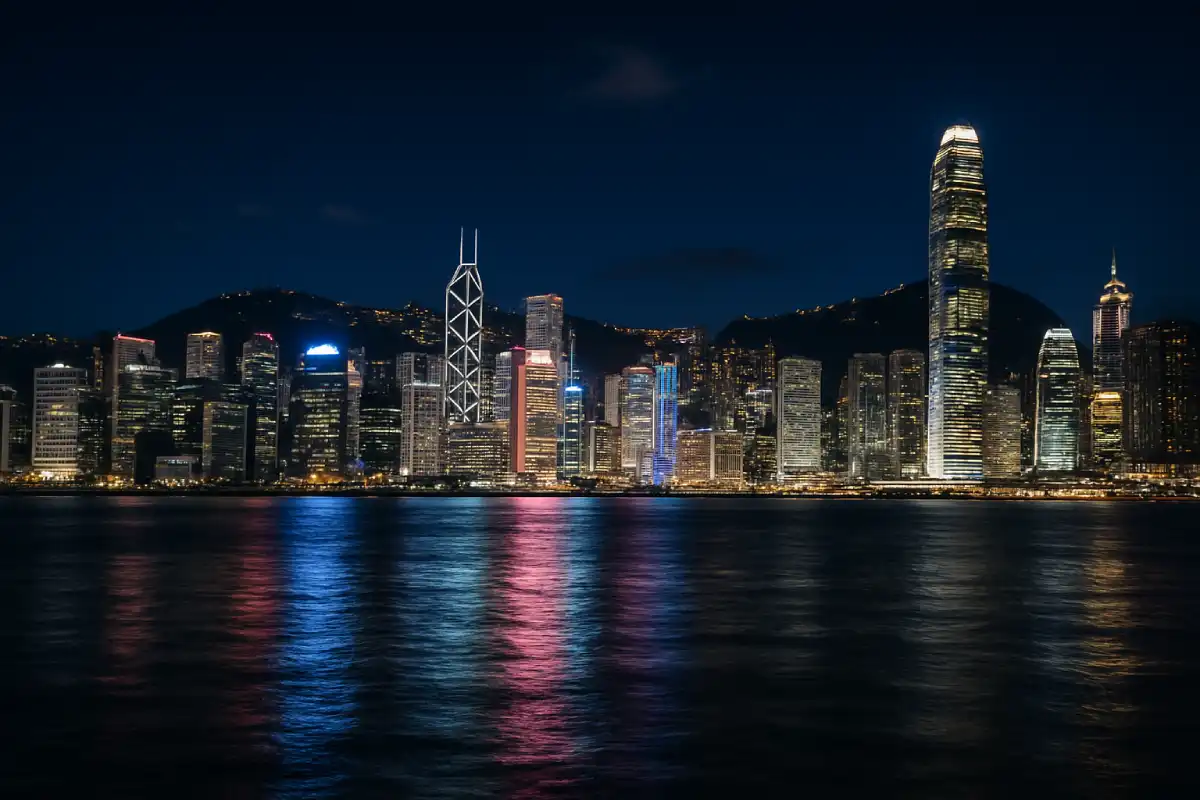
Hong Kong’s world-famous skyline is a dazzling spectacle of urban verticality set against the natural beauty of Victoria Harbour and its surrounding mountains. While the city is often perceived as one of the world's most expensive, it can be explored affordably, especially if you know where to look for budget accommodation and local food. This 2025 guide not only reveals the **best free and paid viewpoints** and the **hottest rooftop bars** but also provides essential tips on saving money on hostels, food, and transport, ensuring a high-value, low-cost trip to Hong Kong.
Unlocking the Best Skyline Views
You don’t need to spend a fortune to capture the perfect skyline photo. Hong Kong offers incredible viewing opportunities for every budget.
Free & Budget Viewpoints:
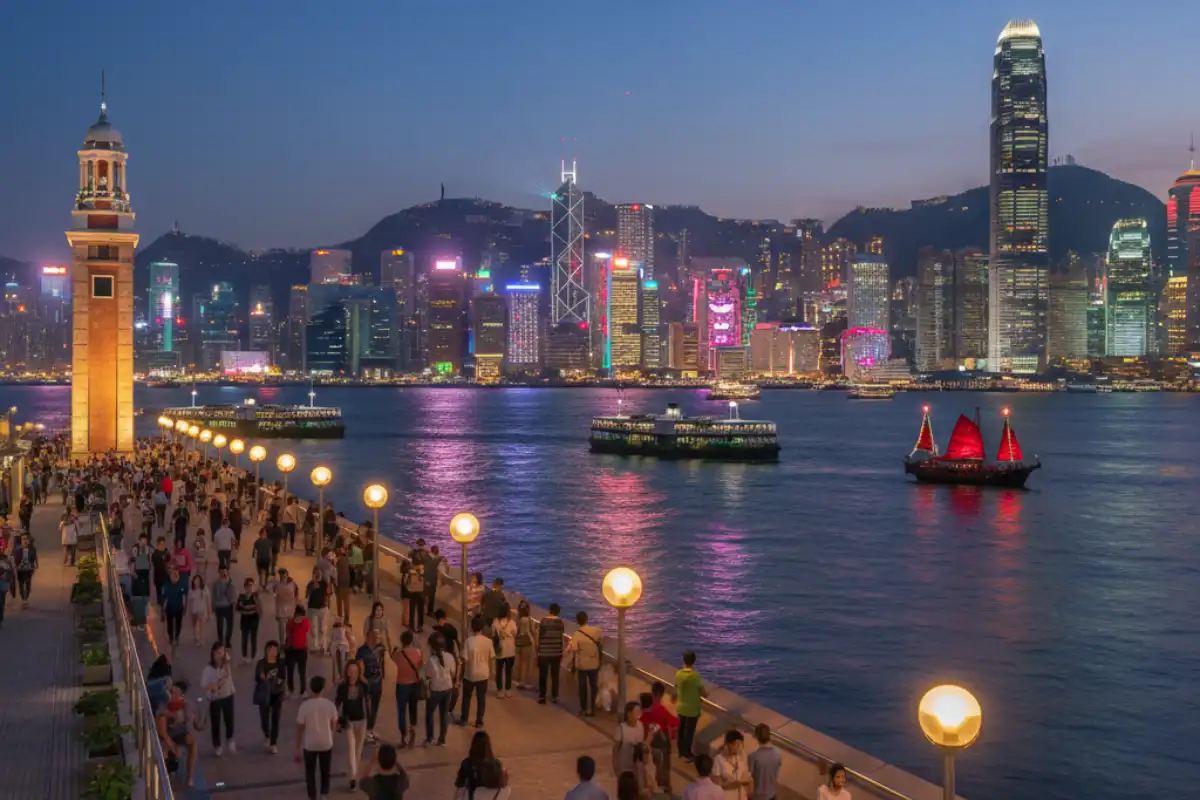
- Tsim Sha Tsui (TST) Promenade: The classic view of Hong Kong Island. Come here nightly at 8 PM for the free **Symphony of Lights** show.
- Central Mid-Levels Escalators: While not the highest view, riding this free series of escalators gives a fascinating ground-level perspective of Central’s skyscrapers.
- Lions Pavilion at The Peak: Located near the crowded Peak Tower, this public area offers a slightly lower but equally stunning view, usually free and less crowded than the paid Sky Terrace 428.
- Lugard Road Trail (The Peak): A gentle, free walk that encircles The Peak, offering stunning, unobstructed views over the city and harbour.
Rooftop Bars & Paid Views (Splurge Item):
For a splurge, Hong Kong’s rooftop bars are world-class. Focus on the happy hour or early evening to minimize costs.
- Ozone (Ritz-Carlton, Kowloon): The highest bar in the world, located on the 118th floor. A single drink may cost HK$150+, but the view is priceless.
- Wooloomooloo Prime (TST): Offers fantastic, slightly lower-altitude views over the harbour without the extreme price tag of Ozone.
1. The Cost of a Bed: Budget-Friendly Accommodation
Accommodation is the biggest budget killer in Hong Kong. Space is scarce, making even hostels relatively expensive. Focus on areas well-connected by the MTR outside the immediate Central district for the best value.
Hostel & Budget Accommodation Prices by Area (Average per night for a dorm bed, October 2025)
| Area | Description | Average Price (USD/night) | Pros for Budget Travelers |
|---|---|---|---|
| Tsim Sha Tsui (TST) | Central tourist hub, excellent transport, many sights and food options. | $30 – $50+ | Most convenient, though notorious for the cramped and often basic conditions of guesthouses. |
| Mong Kok / Sham Shui Po | Further up Kowloon, more local atmosphere, famous for street markets and tech. | $25 – $40 | Better value, more authentic local food, excellent MTR access. |
| Causeway Bay / Wan Chai (HK Island) | Prime HK Island spots, but generally much more expensive. | $40 – $65 | Convenient for HK Island sights, but highly recommend looking further out. |
Note: Prices are estimates for a dorm bed. Due to tight space, even budget accommodation can feel small.
Tips for Saving on Accommodation:
- The “Inns” and Guesthouses: Many of the cheapest options are guesthouses, often clustered in buildings like the famous Chungking Mansions (TST). They are basic but offer prime locations.
- Choose North Kowloon: Areas like Sham Shui Po or Prince Edward offer better prices and a more authentic, less touristy experience, while still being on the MTR line.
2. Eating on a Dime: Hong Kong’s Budget Food Scene
Hong Kong is a culinary paradise, and its greatest meals are often the cheapest. Embrace the local eateries (*Cha Chaan Tengs*) and street food for substantial savings.
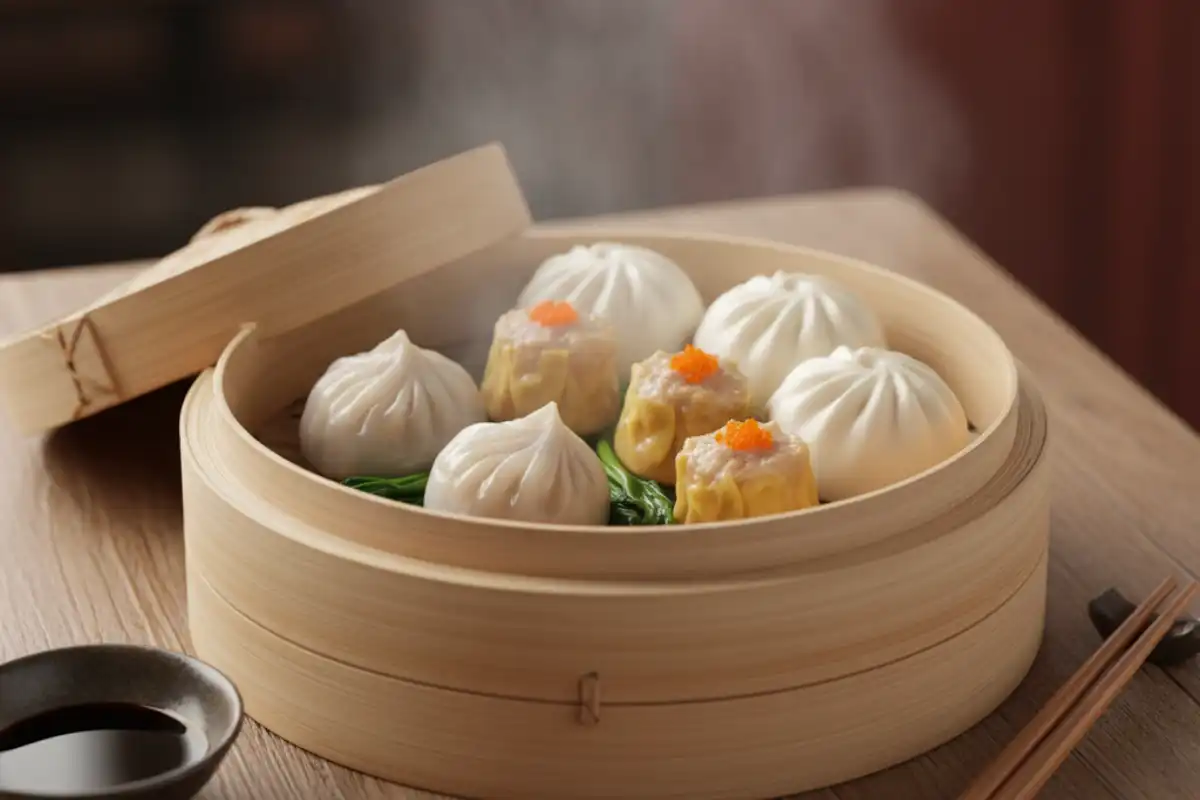
Estimated Budget Food Costs (October 2025):
- Breakfast (Congee/Noodles): HK$25 – HK$40 ($3.20 – $5.10 USD) at a local shop.
- Lunch (Local Cafe/Cha Chaan Teng): HK$40 – HK$60 ($5.10 – $7.70 USD) for a full meal.
- Dinner (Street Food/Dai Pai Dong): HK$60 – HK$100 ($7.70 – $12.80 USD) for a satisfying meal.
- Daily Budget for Food: HK$150 – HK$250 ($19 – $32 USD) is very achievable if you focus on local dining.
Budget Eating Tips:
- Embrace the Cha Chaan Teng: These Hong Kong-style cafes are your budget heroes, offering cheap, filling food all day long.
- Lunch Specials: Many high-end restaurants and mid-range spots offer excellent value lunch sets.
- Dim Sum: Eat at local dim sum places rather than tourist-focused restaurants for better prices and more authentic experiences.
3. Getting Around: The Cost of Public Transit
Hong Kong’s MTR (Mass Transit Railway) system is legendary fast, clean, safe, and efficient. It’s the primary way to get around, supplemented by buses, trams, and ferries.
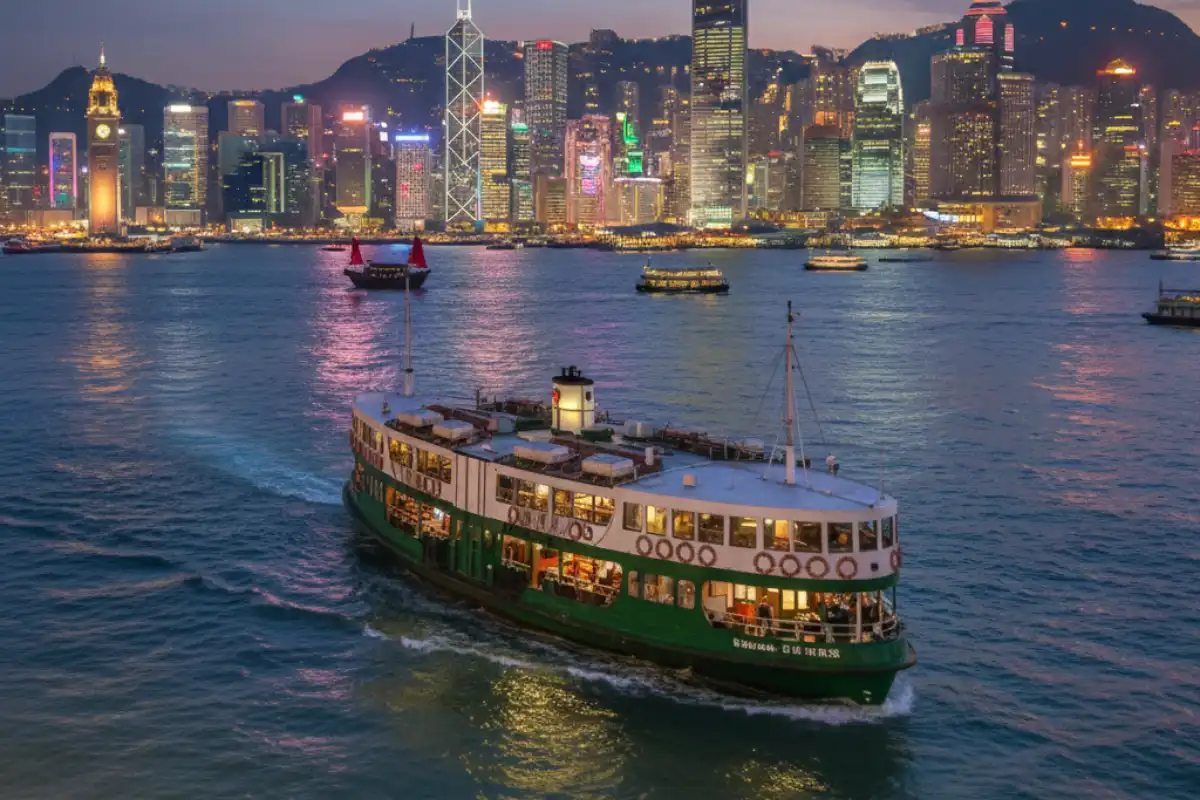
Fares (As of October 2025, subject to minor changes):
- MTR Single Journey: Varies by distance, typically HK$5 – HK$25 ($0.65 – $3.20 USD).
- Octopus Card: **Essential for all travelers.** This stored-value card is used for the MTR, buses, trams, Star Ferry, and even some convenience stores. Fares are cheaper than single tickets. The card requires a refundable deposit (approx. HK$50).
- Star Ferry: The cheapest and most scenic way to cross Victoria Harbour (HK$3 – HK$5). A must-do!
- Hong Kong Tramways (Ding Ding): Fixed, low fare (approx. HK$3) for any distance on Hong Kong Island. Slow but fun.
Tips for Transportation:
- Buy an Octopus Card Immediately: Get one at the airport MTR station. It simplifies travel and saves you money on every ride.
- Take the Bus to The Peak: Instead of the expensive Peak Tram, take bus route 15 (less than HK$12) for a stunning journey up the mountain.
4. Staying Safe: Dangers, Scams, and Areas to Avoid
Hong Kong is remarkably safe, with very low crime rates. The biggest risks are not violent crime but rather petty theft and consumer scams.
Common Dangers & Scams:
- Petty Crime: Be highly aware of pickpockets in extremely crowded areas, such as Mong Kok’s Ladies’ Market, crowded MTR carriages during rush hour, and around major tourist checkpoints.
- Electronics Scams: Tourists looking for cheap electronics (especially phones/cameras) should avoid small, non-chain shops, particularly around Tsim Sha Tsui and Mong Kok, which are notorious for selling fakes or overcharging. Stick to large chain stores.
- Taxi Scams: Reputable taxis are red (urban), green (New Territories), or blue (Lantau). Always ensure the meter is running. **Do not use unmarked cars.**
Areas to Be Cautious Of:
- Chungking Mansions (TST): A famous budget accommodation hub. It’s safe but can be overwhelming with persistent touts and dense crowds. Remain polite but firm.
- Crowded Markets (Mong Kok): Fantastic for atmosphere, but keep bags secured and carry only necessary cash.
General Safety Advice:
- Know the MTR Exit: MTR stations often have multiple exits (A1, D3, etc.). Note your exit to avoid getting lost in the dense streets above.
- Stay Hydrated: The heat and humidity are intense, especially in summer. Carry water at all times.
- Emergency Numbers: Police/Ambulance/Fire 999.
5. Ensuring a Positive & Unforgettable Hong Kong Trip
Hong Kong is an adventure in itself. Embrace the chaos, the speed, and the unique blend of East and West for a memorable trip.
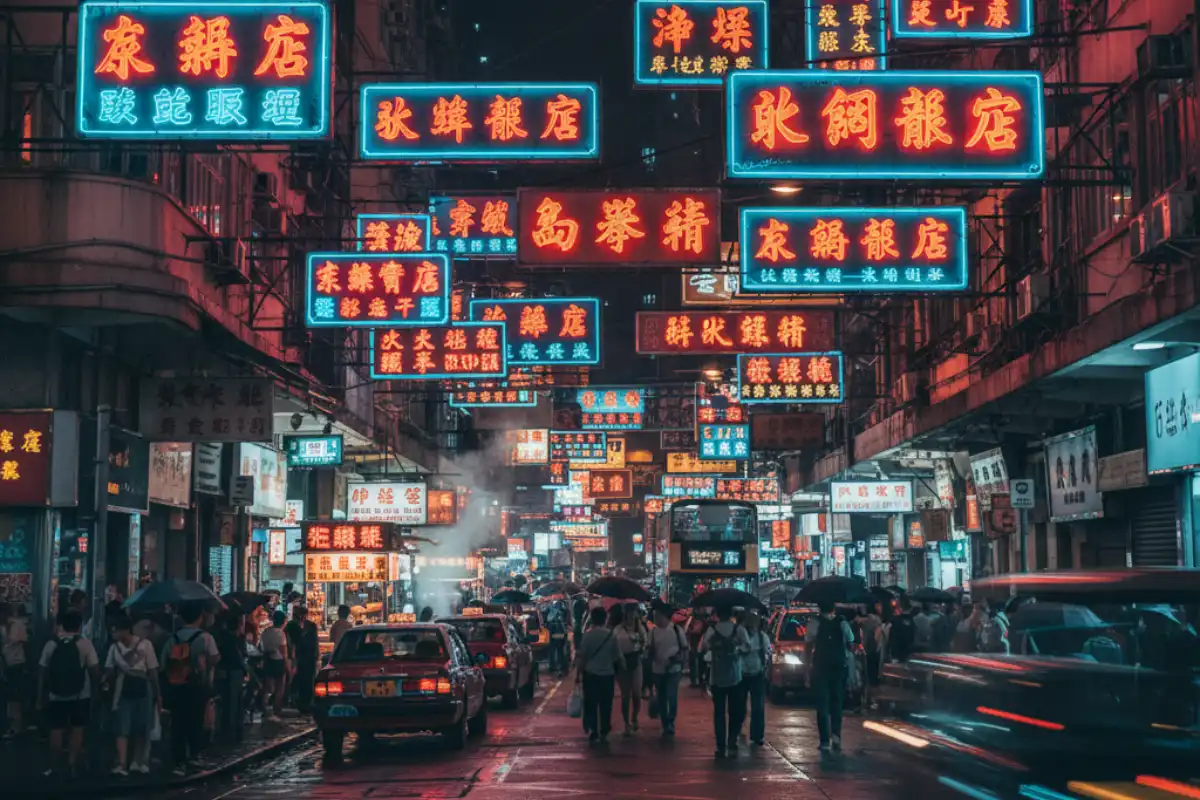
- Explore the Neighbourhoods: Don’t stick only to Central and TST. Explore Sham Shui Po for local life, or Stanley for a seaside village feel.
- Take the Star Ferry at Night: This short journey is mandatory. It offers the best possible view of the skyline for the price of a coffee.
- Embrace the Hiking: Hong Kong is 75% countryside. Take advantage of the easy MTR access to world-class hiking trails like the Dragon’s Back or the trail near the Big Buddha.
- Use Google Maps/MTR App: Navigation is straightforward with the MTR system, but using a reliable map app helps manage the complexity of street names and exits.
6. Hong Kong Travel FAQs (October 2025)
What is the currency in Hong Kong?
The currency is the Hong Kong Dollar (HKD). Cash is preferred in local eateries, markets, and for the Star Ferry, though major retailers and MTR accept credit cards or the Octopus Card.
Is it easy to communicate in English?
Yes, English is widely spoken, especially in tourist areas, government, and on public transport. Outside the main tourist zones, you may need to rely on hand gestures and patience in local eateries.
What is the Symphony of Lights?
It is a free, nightly light and sound show involving over 40 buildings on both sides of Victoria Harbour. It starts at 8:00 PM and is best viewed from the Tsim Sha Tsui Promenade.
How do I get to The Peak cheaply?
Instead of the Peak Tram, take the number 15 bus from Central. It’s much cheaper, offers excellent views during the ride, and takes you to the Peak complex.
Is tipping customary in Hong Kong?
Tipping is not generally expected in local cafes or taxis. High-end restaurants usually add a 10% service charge to the bill.
Experience the View of a Lifetime!
Hong Kong’s skyline awaits. With these budget tips and viewpoint secrets, your trip will be high on experience and low on cost!
Plan Your Next HK Adventure