Hidden winter gems in Eastern Europe
While Paris, Vienna, and London draw massive crowds and peak-season prices in winter, Eastern Europe remains a treasure trove of affordable, culturally rich, and genuinely charming destinations. Blanketed in snow, the castles, medieval towns, and bustling markets of this region transform into fairytale landscapes, often without the crushing crowds found further west.
Snowy Cities with Cultural Depth 🏙️
These cities offer stunning winter aesthetics combined with accessible history and vibrant local life.
1. Tallinn, Estonia (Medieval Charm and Christmas Magic)
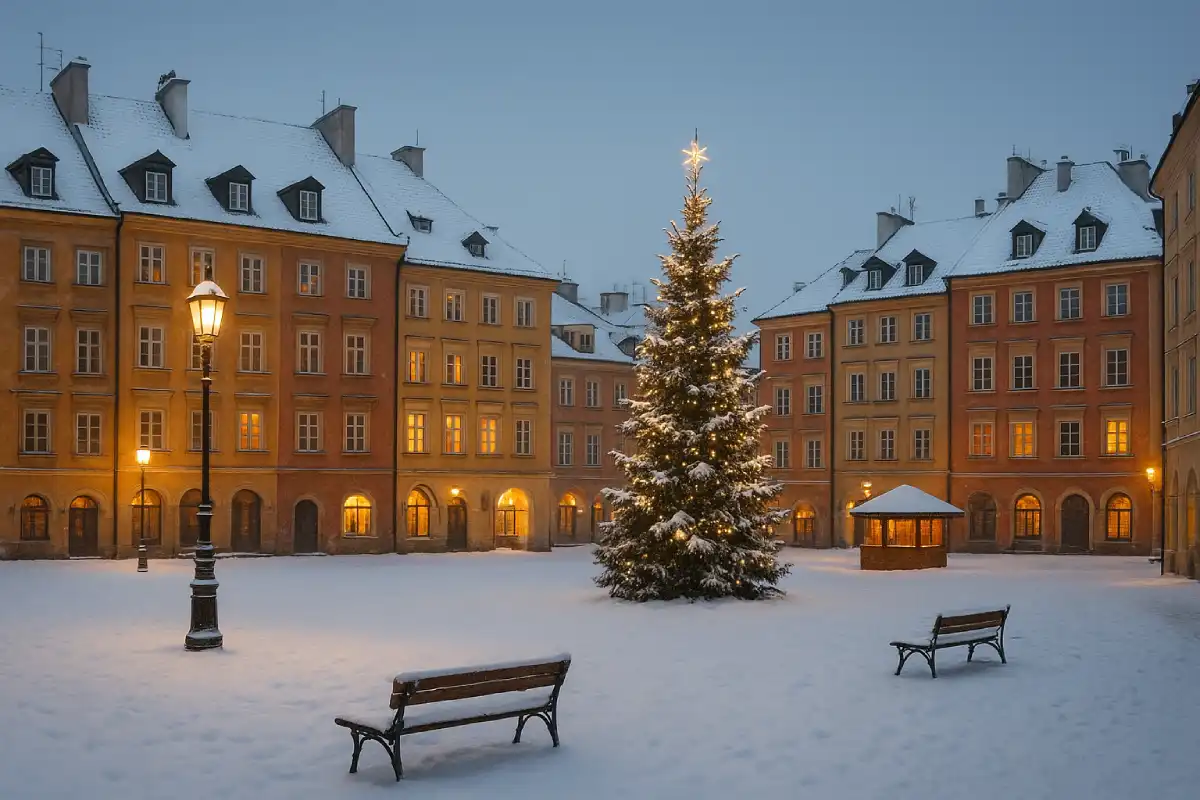
Tallinn’s Old Town is already picturesque, but under a dusting of snow, it becomes truly magical. It hosts one of Europe’s most famous and enchanting Christmas markets in its medieval square.
- **The Vibe:** Authentic medieval architecture, cozy cafes for warming up with local liqueur (Vana Tallinn), and fewer crowds than Prague after the New Year.
- **Traveler Tip:** “Tallinn’s market runs well into January, long after many Western European markets close. Be sure to climb the viewing platform near St. Olav’s Church for a spectacular view of the snow-covered red roofs.” (Source: Baltic Travel Blogger Review)
2. Lviv, Ukraine (Café Culture and Unique Holidays)
Lviv is known for its strong Austro-Hungarian architectural heritage, lively café culture, and its unique adherence to Orthodox Christmas (January 7th).
- **Cultural Highlight:** Experiencing the rich traditions of Ukrainian Christmas and the subsequent holiday events, which often include outdoor folk singing and parades.
3. Brasov, Romania (Gateway to Transylvania)
Nestled in the Carpathian Mountains, Brasov offers stunning Gothic architecture and serves as a perfect base for exploring nearby castles, including Bran Castle (often associated with Dracula), which is particularly atmospheric in the fog and snow.
Mountain Retreats for Relaxation and Action ⛷️
Discover affordable mountain destinations that compete with the Alps on beauty, if not scale.
1. Zakopane, Poland (Tatra Mountains)
Located at the foot of the stunning Tatra Mountains, Zakopane is Poland’s winter capital. It offers accessible skiing, excellent hiking, and a vibrant local culture centered on the unique highlander traditions.
- **Must-Do:** Soak in the warm, outdoor thermal baths (**Termy Bukowina** or **Chochołowskie Termy**) after a cold day on the slopes or trails. The contrast of the hot water and the snowy mountains is unforgettable.
2. Bansko, Bulgaria (Affordable Skiing)
For budget-conscious skiers, Bansko is a rising star in the Pirin Mountains. It boasts modern lifts, a variety of slopes, and significantly cheaper lift passes and accommodation than resorts in France or Switzerland.
- **Foodie Focus:** Enjoy a traditional meal in a local **Mehana** (tavern) for hearty, affordable Bulgarian mountain cuisine.
Budget Traveler Tip: Train Travel is the Way
“While flying is fast, traveling between Eastern European capital cities by **overnight train** in the winter saves you the cost of a hotel night and provides a romantic, cozy way to see the snowy landscapes. It’s also often significantly cheaper than a budget flight, especially when booked well in advance.” (Source: European Rail Travel Community)
Logistical and Cultural Advice 🗺️
To ensure a smooth trip, be prepared for specific Eastern European winter realities.
- **Currency Awareness:** While some countries (like the Baltics) use the Euro, many key destinations (Poland, Czech Republic, Romania, Bulgaria) use their own currencies. Relying on local ATMs for cash is generally the best approach.
- **Indoor Warmth:** Heating is taken seriously! Be prepared for interiors (restaurants, museums, trams) to be surprisingly hot. Layering is essential for comfort when moving from freezing outdoors to sweltering indoors.
- **Language:** While English is widely spoken in tourist sectors of capital cities, learning a few basic phrases (hello, thank you, please) in the local language is deeply appreciated in smaller towns.
Frequently Asked Questions About Eastern European Winter Travel
How cold does Eastern Europe get in the winter?
Temperatures can be severe, often dropping to **-10°C (14°F) or colder**, especially in mountainous areas and countries further north (like Poland, Estonia). Adequate cold-weather gear (good base layers, heavy coat, warm boots) is mandatory for enjoying outdoor activities.
Is it easy to travel between countries in Eastern Europe in winter?
Yes, though snow delays are always possible. Major cities are well-connected by affordable regional airlines, intercity buses, and reliable rail networks. The infrastructure generally handles snow well, but always allow extra time for potential delays, especially if flying or crossing high mountain passes.
When is the best time to visit for Christmas Markets and snow?
For the full Christmas Market experience, aim for the **last two weeks of November through the third week of December.** For the best chance of significant, reliable snowfall and winter sports conditions, target **late January and February**, though the holiday decorations will be mostly gone.
Are Eastern European destinations safe for solo female travelers in winter?
Generally, yes. Major cities like Budapest, Prague, and Tallinn are considered very safe. Use the same common-sense precautions you would in any major city: be aware of pickpockets in crowded tourist spots, avoid poorly lit streets at night, and always use reputable transportation services.
Is it better to book hotels or Airbnbs in Eastern Europe in winter?
Hotels often provide guaranteed, reliable heating and excellent insulation. If choosing an Airbnb, always check the reviews for comments on the **heating system, hot water supply, and window insulation** to ensure coziness, as older buildings can sometimes be drafty despite their charm.
Conclusion: Unlocking the Affordable Fairytale 🔑
Eastern Europe in winter offers a magical blend of deep history, cultural warmth, and stunning snowy scenery, all accessible at a fraction of the cost of its Western counterparts. By choosing hidden gems like Tallinn, Lviv, or Zakopane, you trade tourist crowds for authentic experiences, creating a unique and deeply personal winter travel story that is rich in value and unforgettable charm.