Heated clothing: Is it worth it?
Heated clothing apparel embedded with battery-powered heating elements has moved from a niche gadget for construction workers and motorcyclists to a mainstream option for anyone battling winter cold. The question for the savvy consumer and traveler is simple: **Does this technology truly offer a worthwhile advantage over traditional layering, given the higher cost and battery dependency?**
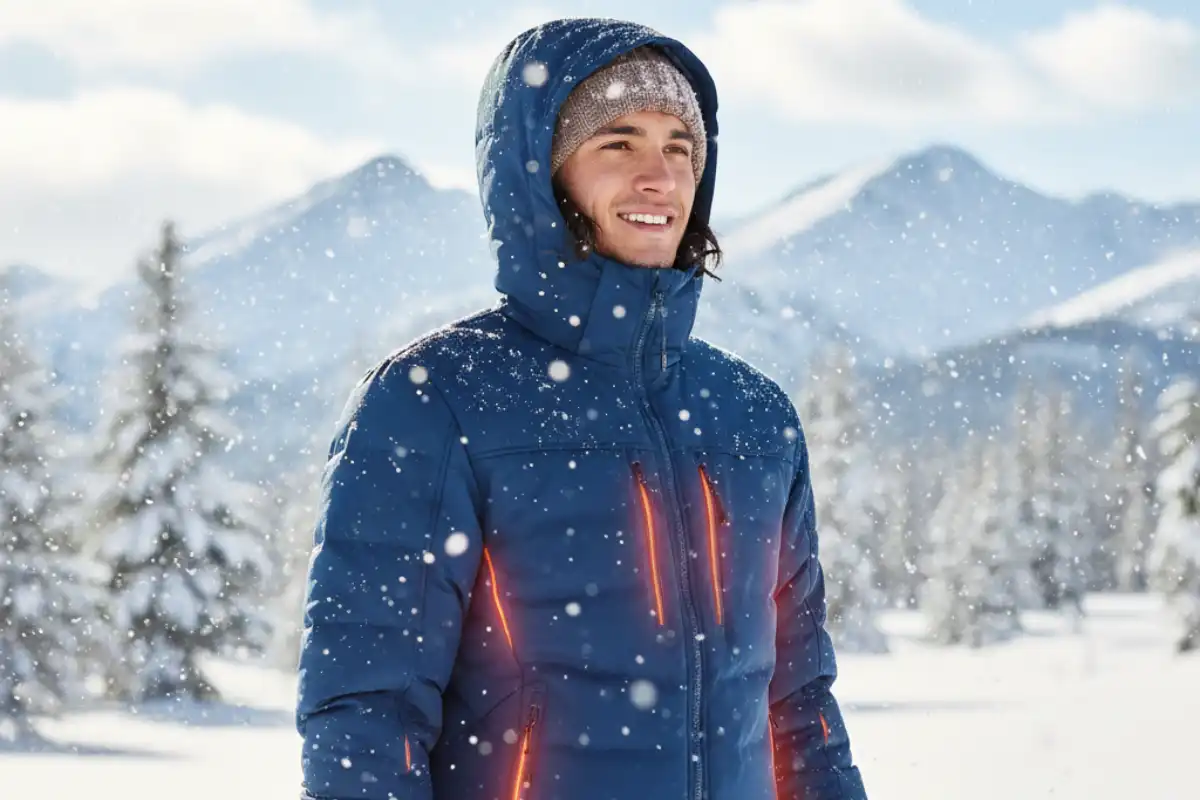
The Technology and Its Value Proposition 💡
Heated gear typically uses thin carbon fiber or steel fiber heating pads powered by a rechargeable lithium-ion battery (similar to a power bank). These pads are strategically placed to warm core areas or extremities.
1. Focus on Core vs. Extremities
The greatest value often lies in heating the **extremities** (hands and feet) and the **core** (chest and back), which helps the body maintain circulation and temperature regulation.
- **Heated Gloves and Socks:** These are highly praised because traditional layering often fails to prevent freezing in fingers and toes, especially during static activities like ice fishing or photography.
- **Heated Jackets/Vests:** These work by warming the blood that flows through the core, which is then circulated to the rest of the body. They effectively reduce the bulk needed from mid-layers.
2. Comfort and Performance in Extreme Cold
Heated clothing doesn’t replace layering; it supplements it by providing a controllable source of heat.
- **Outdoor Enthusiast Review:** “As an ice climber, the heated vest is a game-changer. I still layer correctly, but being able to blast heat onto my core while belaying (when I’m stationary and freezing) prevents shivering and muscle fatigue. It allows me to stay focused and safe longer.” (Source: Climbing and Mountaineering Journal)
Drawbacks and Key Considerations 🔋
Before investing, travelers must weigh the practical challenges associated with battery-powered apparel.
1. The Battery Life Compromise
Battery life is the single biggest limitation. Most batteries offer:
- **Low Setting:** 6–8 hours (Sufficient for low-level warmth or mild cold).
- **High Setting:** 2–3 hours (Necessary for extreme cold but short-lived).
- **Traveler Advice:** “When skiing, I start the day with the battery on the lowest setting. I only use the high heat boost for the chairlift ride or a brief emergency warm-up. This strategy ensures the battery lasts the full day without needing a heavy spare pack.” (Source: Ski Forum Discussion)
2. Weight, Bulk, and Maintenance
The batteries and wiring add weight and a small amount of bulk, which can be noticeable on high-performance gear.
- **Washing:** Most heated garments are machine washable, but the batteries must be removed, and the garments typically require line drying, adding a layer of hassle compared to standard outerwear.
Tech Safety Note: FAA and Lithium Batteries
“Remember that the lithium-ion batteries that power heated clothing are subject to FAA rules for air travel. They must be removed from the garment and packed only in your **carry-on luggage** (not checked baggage). Always carry spare batteries in approved protective cases and check the watt-hour rating to ensure they comply with airline limits (typically 100 Wh or less).”
Is It Worth It? A Final Assessment 💵
The value of heated clothing depends entirely on your needs:
- **Yes, for Extreme Cold or Specific Needs:** If you suffer from conditions like **Raynaud’s Phenomenon**, spend long periods stationary in sub-freezing temperatures (e.g., hunting, photography), or require reliable warmth for high-altitude climbing, the investment is genuinely beneficial for safety and comfort.
- **Maybe, for Casual Use:** If you just need a jacket for running errands or short outdoor walks in moderate winter weather, quality traditional down or insulated coats offer nearly equal warmth without the cost, weight, and hassle of batteries.
- **Focus on Gloves/Socks:** If budget is a concern, invest in quality heated **gloves or socks** first. They address the body’s most vulnerable points where traditional gear often fails.
Frequently Asked Questions About Heated Clothing
Are heated garments safe, or is there a risk of electrocution?
Modern heated garments are very safe. They operate on low voltage (typically 5V or 7.4V DC), far below anything that could cause electrocution. High-quality items are also designed with internal thermal protection to prevent overheating or burning.
Can I use my own power bank with a heated jacket?
For jackets that use a standard **USB 5V connection**, yes, you can usually use your own high-capacity power bank. However, dedicated 7.4V battery systems used by many brands offer more consistent and higher heat output, so check the specific voltage requirements of your garment first.
How effective are heated pants or base layers?
Heated base layers can be very effective for activities with moderate movement. They are excellent at maintaining warmth in the legs and lower back. However, they are less popular than jackets and gloves because the legs often generate enough heat through activity to remain warm with standard layers.
Do heated garments get hot instantly?
Most modern heated garments heat up very quickly, often reaching maximum temperature within **30 seconds to 2 minutes**. This rapid response is crucial for providing immediate relief and is one of the technology’s key selling points.
How does heated clothing affect my luggage weight for flying?
The garments themselves weigh slightly more than non-heated versions. The main weight concern is the **batteries**. While a single battery isn’t heavy, if you plan to carry multiple spares for multi-day trips, they must be factored into your carry-on weight limit.
Conclusion: Strategic Warmth Wins the Day ✨
Heated clothing is a powerful tool, not a universal replacement for classic winter gear. Its value is highest for strategic use: preventing cold injuries to the extremities and providing core warmth during periods of low activity in high-cold environments. By understanding battery limitations and focusing the investment on high-quality heated gloves or vests, travelers can turn an expensive novelty into an essential, safety-enhancing piece of winter kit.