Hakuba Valley: Olympic Slopes and Onsen Bliss
Hakuba Valley, located in the Japanese Alps of Nagano Prefecture, is famed globally for hosting the 1998 Winter Olympics and for its legendary powder snow, affectionately known as "Japow." Unlike many Western resorts, Hakuba offers incredible skiing and rich Japanese culture at a manageable price point. This 2025 guide provides essential strategies for budget travel, focusing on affordable lodging, delicious and cheap Japanese dining, the vital free shuttle bus system, and tips for enjoying the onsen culture while navigating this unique destination.
1. Japow Lodging: Budget Accommodation & Hostel Costs (2025)
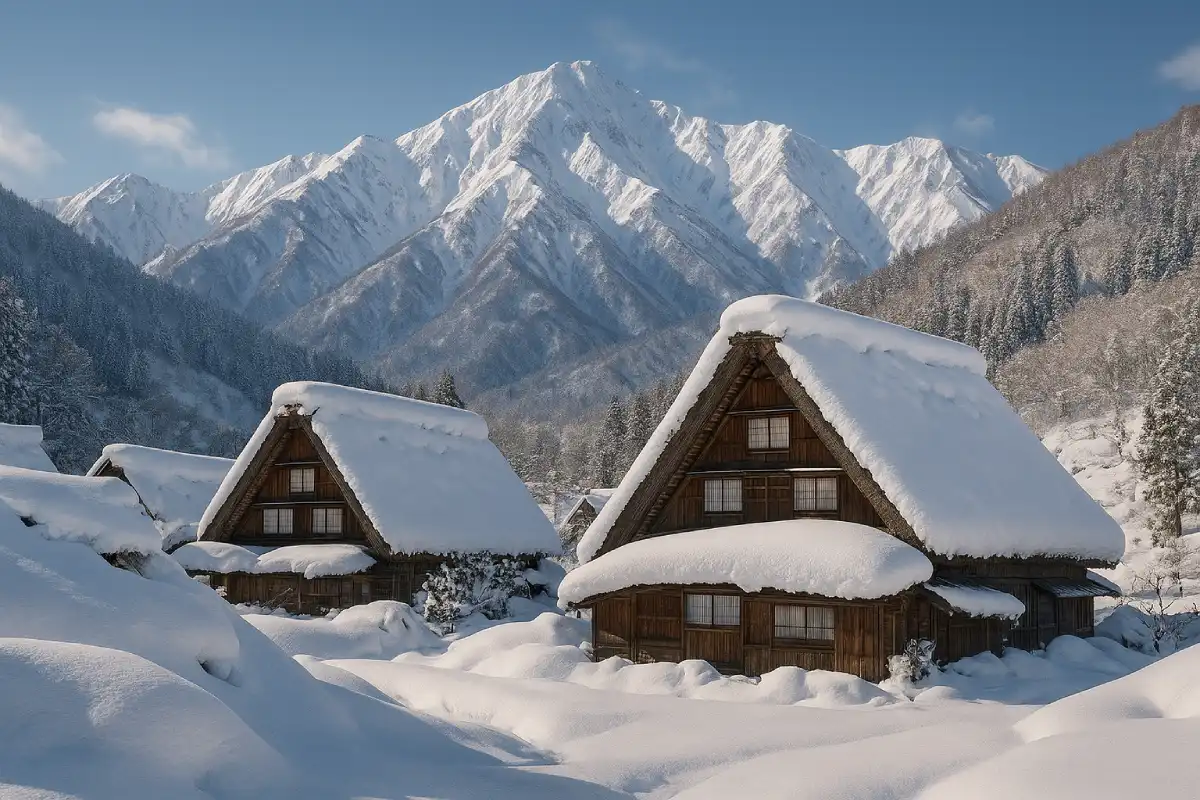
Hakuba is a collection of villages. The cost of lodging often depends on its proximity to the main lift bases (Happo-One and Echoland). Hostels and *Minshuku* (traditional, family-run inns) are the best budget options.
Hostel & Budget Accommodation Prices by Area (Average per night, December 2025) – All Prices in Japanese Yen (JPY)
| Area/Neighbourhood | Description | Average Price (JPY/night) | Budget Focus |
|---|---|---|---|
| **Echoland** | Lively hub with the most hostels, international bars, and restaurants. Close to shuttles. | **¥4,000 – ¥7,500** (Hostel Dorm Bed) | Best social scene and excellent balance of cost and convenience. |
| **Happo-One (Gondola Base)** | Closest to the main lift. Highest prices for convenience. | ¥5,500 – ¥8,500 (Hostel/Guesthouse) | Premium for proximity; requires booking well in advance. |
| **Misorano / Goryu (Outskirts)** | Residential areas further from the center, often quieter *Minshuku* (inns). | ¥3,500 – ¥6,000 (Dorm Bed / Basic *Minshuku* Room) | **Ultimate Budget Hack:** Lowest rates, rely entirely on the free inter-resort shuttle bus. |
2. Sustenance: Affordable Japanese Dining (Ramen & Convenience Stores)
Food costs are surprisingly low, thanks to excellent budget options like ramen shops, quick curry houses, and ubiquitous convenience stores (*konbini*).
Estimated Budget Food Costs (December 2025)
- **Supermarket/Konbini Groceries (1-day self-catering):** ¥1,500 – ¥2,500 (Konbini meals, rice balls (*onigiri*), and sandwiches are cheap and high quality).
- **Budget Lunch (e.g., Ramen/Udon):** ¥800 – ¥1,500 (A piping hot bowl of ramen or curry is the perfect affordable ski lunch).
- **Cheap Dinner Option (e.g., Izakaya/Set Meal):** ¥2,500 – ¥4,000 (A simple *Teishoku* (set meal) at a local *izakaya* (pub) offers great value).
- **Drinks (Konbini Beer/Sake):** Very cheap compared to Western prices.
- **Estimated Daily Budget for Food (Konbini/Ramen Focus):** ¥4,500 – ¥6,500.
3. Activities and Entertainment Costs (Skiing & Onsen)
The Hakuba Valley includes 10 separate resorts (Happo-One, Goryu, Iimori, Tsugaike Kogen, etc.), all accessible on a single pass. This provides massive, varied terrain.
- **Hakuba Valley Pass (Daily, Peak Season):** Approx. **¥9,000 – ¥12,000**.
- **Lift Pass Hack: Multi-Day Pass:** Always buy a multi-day pass (3-5 days) for a significant discount on the daily rate. Also, look for early-season/late-season specials.
- **Ski/Snowboard Rental (Standard Kit, 1 Day):** Approx. **¥5,000 – ¥8,000** (Rentals are generally cheaper than North America or Europe; look for multi-day rental packages).
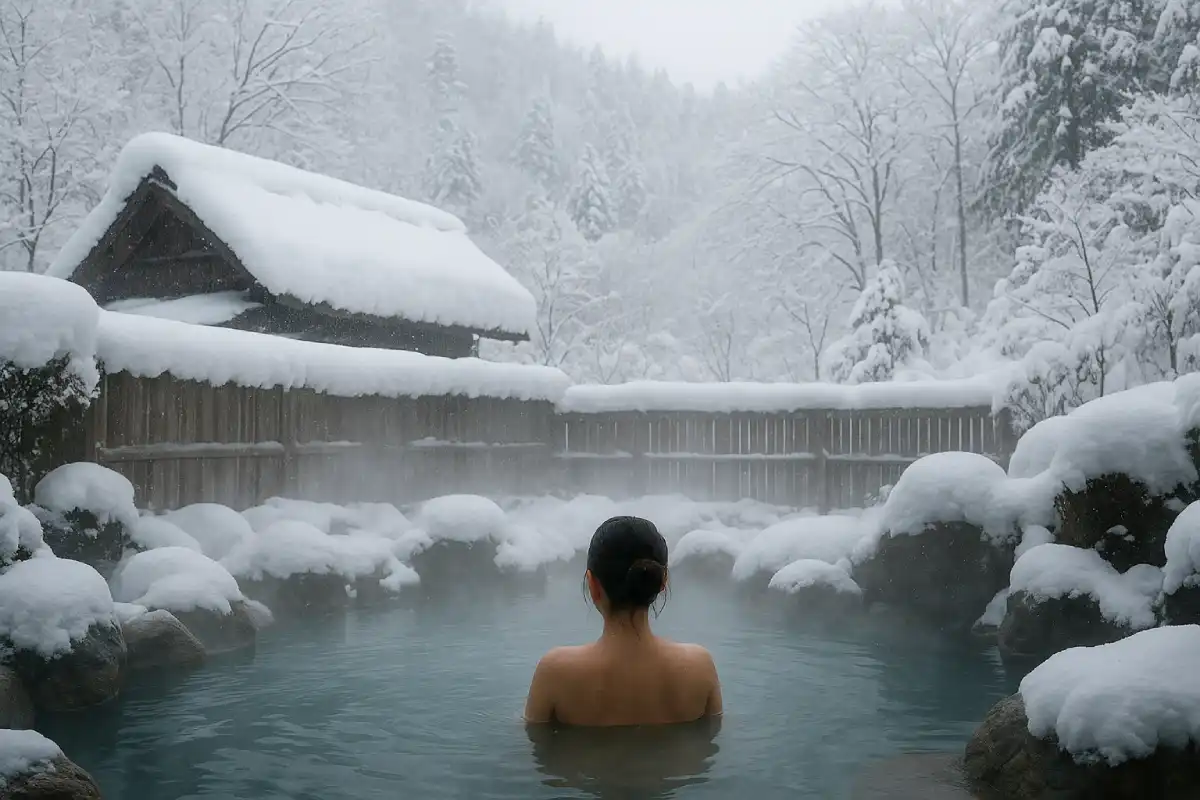
- **Onsen (Public Hot Spring):** **¥500 – ¥1,000** (This is the ultimate budget luxury. Many hostels/guesthouses have their own, or visit one of the many public *onsen* for essential recovery).
4. Getting Around: The Essential Free Shuttle System
Hakuba Valley is spread out, making transportation crucial. Fortunately, the system is designed for tourists and is largely free within the valley.
Free Public Transport for Tourists:
- **Hakuba Valley Shuttle:** A network of frequent, inter-resort shuttle buses connects all 10 ski areas (Happo, Goryu, Iwatake, etc.) and runs through the main villages like Echoland. This service is **100% FREE** with a valid Hakuba Valley Pass.
- **Local Shuttles:** Most accommodations in the Echoland/Happo area also run small, free shuttles to the nearest major lift base.
5. Safety in Hakuba: Dangers and Cultural Tips (2025)
Japan is one of the safest countries in the world. Crime is virtually non-existent. The main risks are environmental and cultural awareness.
Key Dangers for Tourists:
- **Deep Powder (Japow):** The snow can be deceptively deep. **Tree wells** (deep, unconsolidated snow around tree trunks) are a serious risk. Always ski/ride with a partner and maintain visual contact, especially in the trees.
- **Off-Piste/Backcountry:** While the backcountry is world-class, **NEVER** duck ropes without proper avalanche gear (beacon, shovel, probe) and a guide. Hakuba resorts are strict about boundaries.
Criminal risks are negligible. There are no ‘no-go’ areas.
- **Onsen Etiquette:** Improper use of the *onsen* (hot spring) is the main danger of offense. You **MUST** wash thoroughly before entering the bath. **No swimwear** is allowed in traditional public *onsen* (you must be naked). Tattoos are often covered or may restrict entry.
- **Taxi Rip-offs:** Taxis are notoriously expensive in Japan, especially late at night. Plan your commute via the free shuttles or local buses to avoid high fares.
Your main safety focus should be managing the deep snow risks and respecting local *onsen* and cultural customs.
6. Insider Tips for an Epic, Positive Hakuba Trip
- **Master the Konbini:** Japan’s convenience stores (Seven-Eleven, Lawson, FamilyMart) are lifesavers. They sell cheap, high-quality, hot meals (ramen, fried chicken, coffee), cheap alcohol, and have excellent ATMs.
- **Embrace the Inter-Resort Day:** Don’t just ski one mountain. Use the free shuttle to explore two or three different resorts in one day (e.g., Goryu in the morning, Happo in the afternoon) to maximize the variety of your pass.
- **Visit the Snow Monkeys:** Take a day trip (via train or dedicated tour bus) to see the famous **Jigokudani Snow Monkeys** in their outdoor hot springs. It’s a classic and highly rewarding Japanese experience.
- **Try Local *Izakaya***: Head to Echoland or a small local village and find a small, family-run *izakaya*. Order a variety of small dishes and local sake for a fantastic, authentic, and relatively inexpensive social dinner.
7. Essential Hakuba Valley Travel FAQs (December 2025)
How do I get from Tokyo to Hakuba?
Take the **Shinkansen (Bullet Train)** from Tokyo to Nagano Station (approx. 1.5–2 hours), then transfer to the local **Alpico Bus** which runs directly to the Hakuba Valley villages (approx. 1 hour).
Is the free valley shuttle bus reliable?
Yes. The Hakuba Valley Shuttle is highly reliable and frequent during operational hours (typically 8:00 AM to 5:00 PM), making it the primary method of transport for skiers between the 10 resorts.
What is the best mountain for powder hunting?
**Tsugaike Kogen** and **Cortina** (which has the most relaxed off-piste policy) are generally considered the best for finding deep, untracked powder (“Japow”) the morning after a major snowfall.
Do I need to carry cash (JPY) or can I use a card?
You will need cash (JPY). While hotels and major stores accept cards, many small, local restaurants, ramen shops, and public *onsen* only accept cash. Use the ATMs at Seven-Eleven stores for the best access.
Is it true I can’t enter an onsen with tattoos?
Traditional public *onsen* often prohibit tattoos. However, many accommodations and Western-focused *onsen* in Hakuba are now more tolerant or allow small tattoos to be covered with waterproof tape.
Ready to experience the best powder and unique culture Japan has to offer? Start planning your affordable Hakuba Valley adventure today!
Find Affordable Echoland Hostels Now