Florence in Bloom: Art, Gardens, and Gelato
Spring in Florence (Firenze) is a multisensory masterpiece. As the Tuscan sun warms the medieval stones, the city sheds its winter dampness and erupts into a celebration of Renaissance aesthetics. While the Uffizi Gallery and the Accademia are year-round draws, spring offers a fleeting chance to see the city's private and public gardens in their full glory, perfectly paired with the world’s most famous frozen treat. Travelers often remark on Reddit's italy that April and May represent the "Goldilocks zone" for Florence the weather is cool enough for walking miles of cobblestones but warm enough to enjoy an evening aperitivo on a rooftop overlooking the Arno.
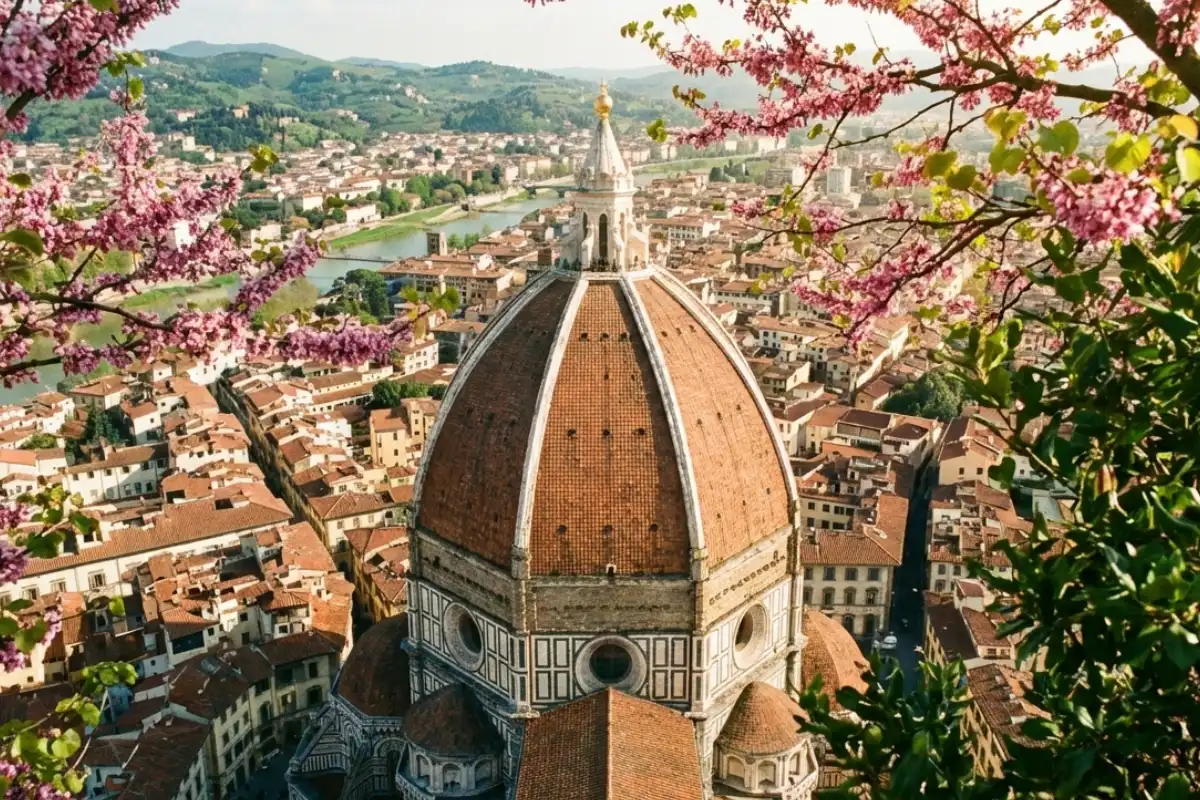
The Green Heart: Renaissance Gardens and Floral Peaks
Florence’s gardens are not merely parks; they are outdoor museums of botanical architecture. In spring, two specific locations become the stars of the show.
- **The Bardini Garden (Giardino Bardini):** Famous for its wisteria tunnel. In late April, this purple canopy provides a fragrant frame for the Duomo in the distance.
- **The Boboli Gardens:** The Medici family’s backyard. Spring brings the blooming of the heritage roses and the citrus trees being moved back into the open air from the limonaia.
- **The Iris Garden (Giardino dell’Iris):** Only open for a few weeks in late spring (usually late April to May). It celebrates the flower that has been the emblem of Florence since the 13th century.
Expert travelers on Condé Nast Traveler suggest visiting the Bardini Garden first thing in the morning to capture the wisteria without the crowds, using a single ticket that often includes entry to the Boboli as well.
Art Beyond the Walls
While the interiors of the Pitti Palace are magnificent, spring invites you to seek out art that interacts with the season. The Piazzale Michelangelo offers the quintessential view of the city, but walking the uphill “Poggi Ramps” to get there allows you to see the 19th-century fountains and neo-Renaissance architecture surrounded by fresh jasmine.
Pro-Tip: The Scoppio del Carro
If you visit on Easter Sunday, witness the “Explosion of the Cart.” This 500-year-old tradition involves a mechanical dove flying down a wire to ignite a cart full of fireworks. Locals on travel forums warn to arrive at the Piazza del Duomo at least three hours early to secure a view of this spectacular spring ritual.
The Science of Gelato: A Spring Necessity
Florence is the birthplace of gelato (credited to Bernardo Buontalenti). Spring is the ideal season to indulge because the first seasonal fruits strawberries and cherries hit the artisanal laboratories.
How to Spot “Real” Gelato
Food critics in The Florentine emphasize that you should avoid mounds of brightly colored gelato. Instead, look for metal tins (carapine) with lids. Real spring flavors like Fior di Latte or Fragola (strawberry) should look like muted, natural colors, not neon pinks or blues.
Frequently Asked Questions About Florence in Spring
When is the best time to see the wisteria in Bardini Garden?
The peak usually occurs between the last week of April and the first week of May. However, this is weather-dependent, so checking the garden’s official Instagram tag for “recent” photos is a smart move before buying tickets.
What is the “spring weather” like in Tuscany?
It is the season of layers. Expect temperatures around 18-22°C (64-72°F) during the day, but it can drop to 10°C (50°F) at night. Sudden, short rain showers are common in April, so bring a compact umbrella.
Are museum reservations necessary in the spring?
Absolutely. Even though it’s not the July peak, Florence is a top global destination. For the Uffizi and Accademia, you should book at least 3-4 weeks in advance to avoid 4-hour queues in the sun.
What seasonal foods should I try besides gelato?
Look for Ribollita (though often a winter dish, it’s great in early spring) and anything featuring carciofi (artichokes) or asparagi selvatici (wild asparagus) on the menu of a local trattoria.
Is Florence walkable for a family in spring?
Yes, the historic center is mostly a pedestrian zone. The mild spring weather makes the walk from the Oltrarno district to the city center very pleasant, though the cobblestones require sturdy, comfortable shoes.
Conclusion: A Flourish of Color and Flavor 🍦🌸
Florence in spring is a reminder of why the Renaissance began here it is a place where nature and human creativity are in constant conversation. By stepping away from the crowded galleries and into the hilltop gardens, you experience the city’s soul. Whether you are leaning against a stone wall with a cup of pistachio gelato or standing under a canopy of purple wisteria, spring in Florence is an immersion into the very definition of la dolce vita.
Would you like me to help you design a walking route that hits the best artisan gelato shops between the city’s major gardens?