Exploring Managua’s Parks, Plazas, and Cultural Centers
Managua, the capital of Nicaragua, presents a unique challenge to travelers. Largely leveled by earthquakes, it lacks a traditional colonial center but thrives through modern cultural revitalization and sprawling parks. It is also one of the cheapest capital cities in the Americas. Exploring Managua requires knowing where to go (the revitalized lakefront and safe residential areas) and how to move (relying on taxis/Uber). This 2025 guide provides essential advice on ultra-cheap accommodation and food, navigating the decentralized city safely, and finding the best cultural spots, all while keeping your budget firmly in check.
The Sprawling Capital
Due to multiple seismic events, Managua is a city of disconnected zones, rather than a single, walkable center. The key tourist and cultural sites are spread out, including the historic lakefront (Malecón), the Old Cathedral ruins, and the Tiscapa Lagoon area. For the budget traveler, this means prioritizing cheap, safe transport (taxis/Uber) over public buses and focusing accommodation search on safe, centrally located residential districts like Reparto Los Robles.
Managua’s Essential Cultural & Budget Sights
Iconic Experiences:
- Malecón (Puerto Salvador Allende): Visit the revitalized lakefront area. It’s a clean, safe entertainment complex with restaurants, docks, and family activities. **Best visited in the afternoon/evening.**
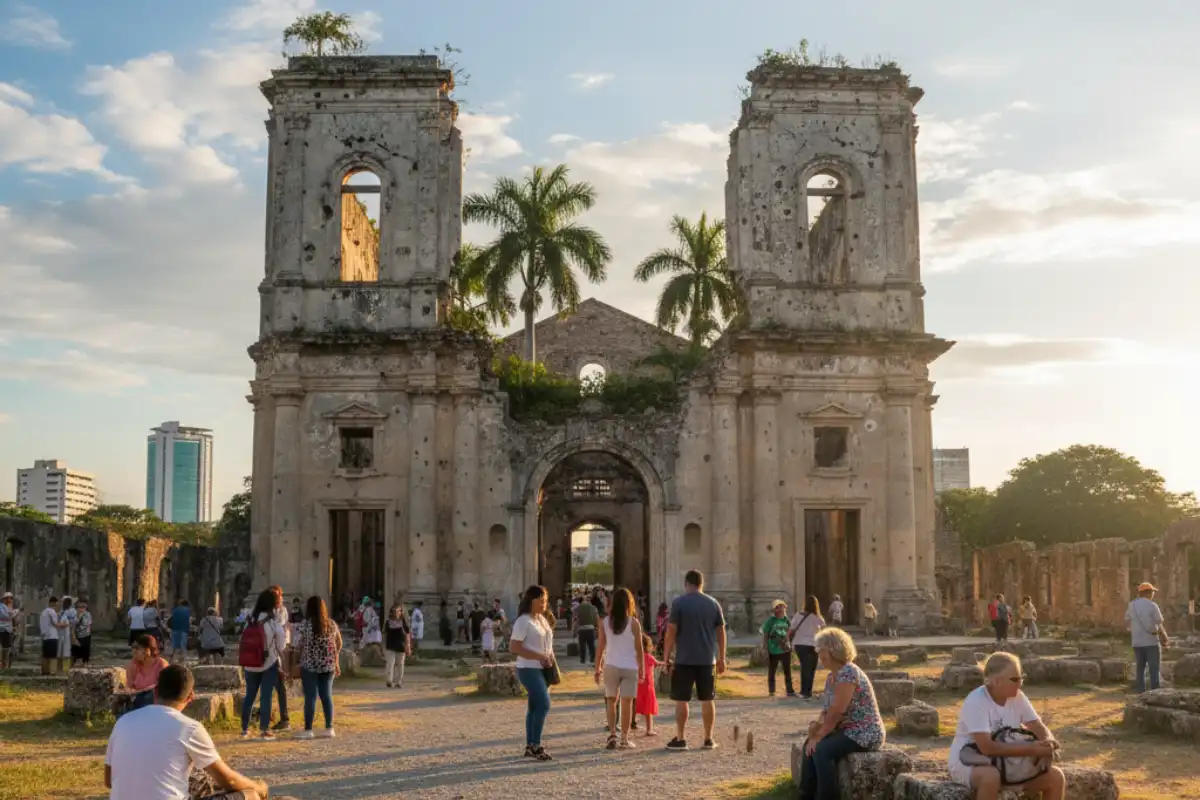
- Old Cathedral Ruins: See the skeletal ruins of the cathedral, standing as a monument to the 1972 earthquake. Located near the National Palace (Palacio Nacional de la Cultura).
- Loma de Tiscapa Historical National Park: Take a short hike or taxi ride up for the best panoramic view of the city and Lake Managua, featuring a statue of Augusto Sandino.
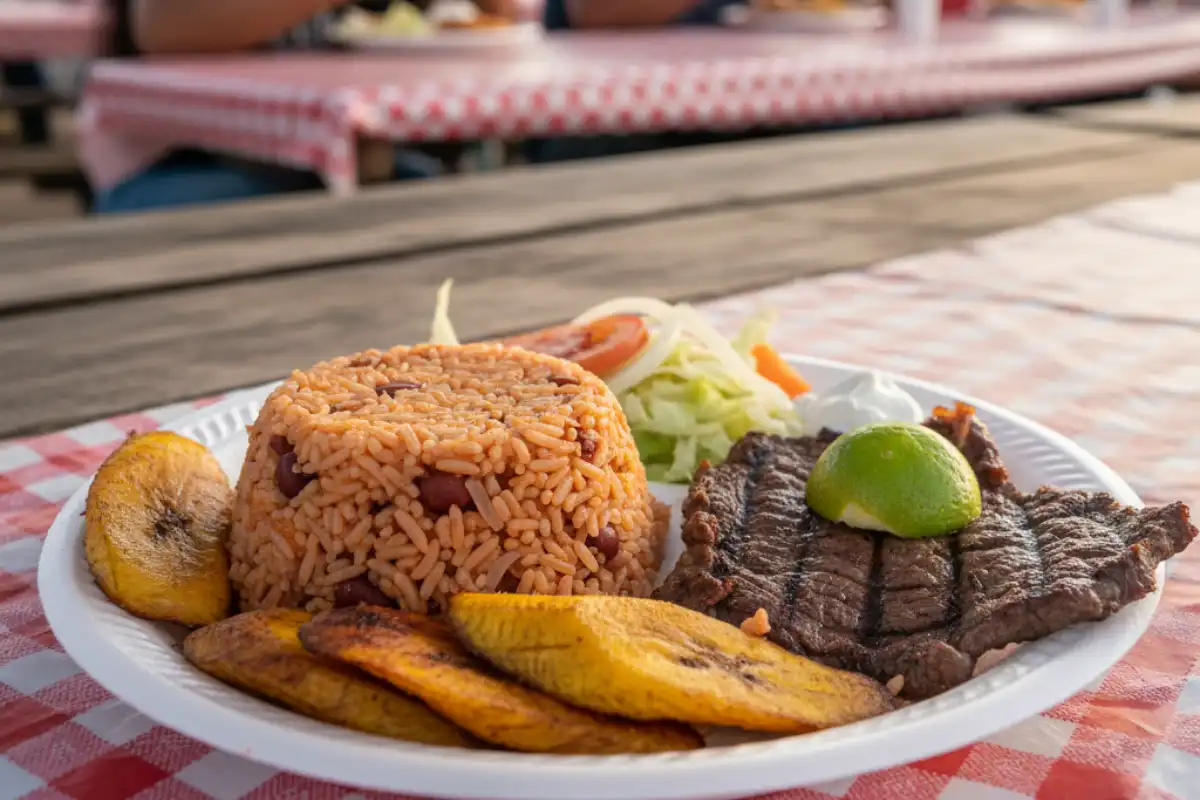
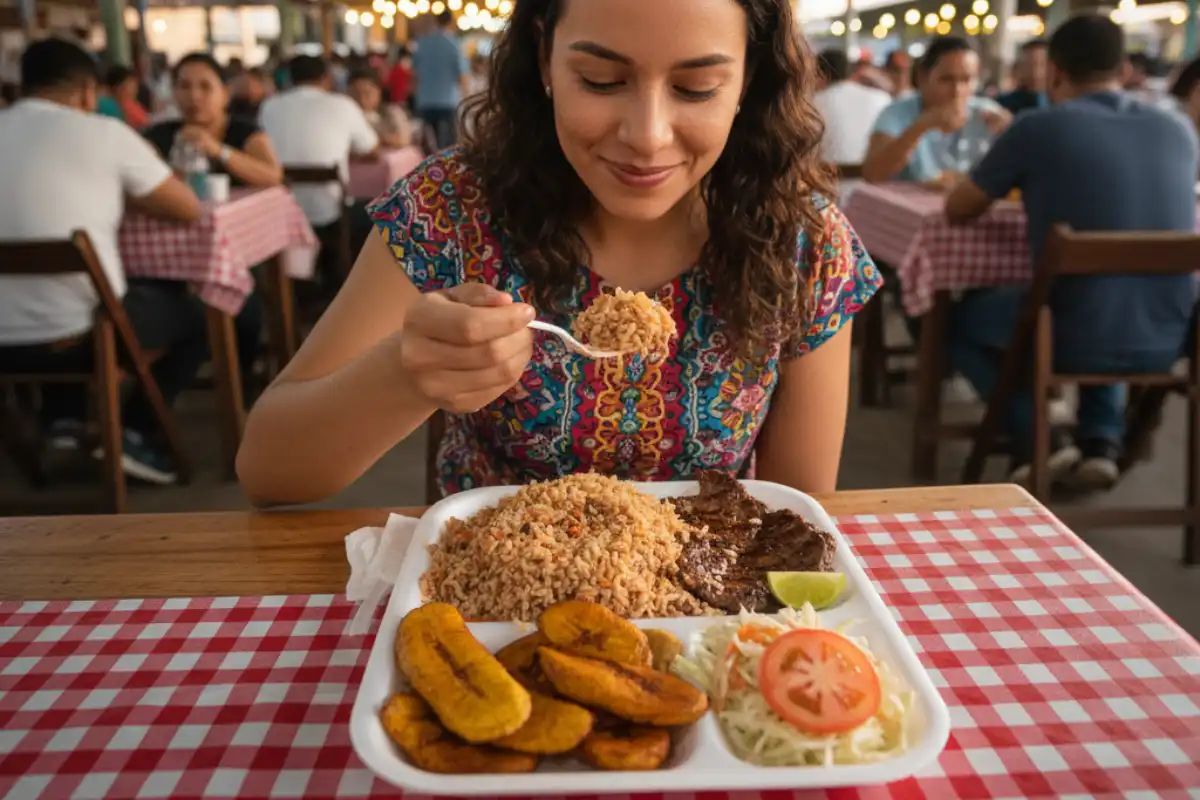
- Fritangas: Experience the true Managuan street food scene by dining at *fritangas* street stalls offering cheap, delicious grilled meats and sides.
Budget-Friendly Tip: Visiting the **Parque Histórico Nacional Loma de Tiscapa** has a minimal entry fee and provides an excellent overview of the city, making it a fantastic budget photo opportunity.
1. The Cost of a Bed: Budget-Friendly Accommodation
Nicaragua is consistently one of the best countries in Central America for budget travelers. Managua’s prices are extremely low, with hostels concentrated in residential areas that offer better security and access to amenities.
Hostel & Budget Accommodation Prices by Area (Average per night for a dorm bed, November 2025)
| Area (Reparto/Zone) | Description | Average Price (USD/night) | Pros for Budget Travelers |
|---|---|---|---|
| Reparto Los Robles | Safest, diplomatic area, near amenities and restaurants. | $12 – $20 | Highest security, best amenities, good base for Ubers. |
| Near Carretera a Masaya | Functional area, good for transit to Masaya/Granada. | $10 – $18 | Excellent price-to-value ratio, mid-range security. |
| Historic Center Area (Lakefront) | Cheapest options, close to major sights (Malecón). | $8 – $15 | Lowest prices, but requires extreme caution after sunset. |
Note: Prices are estimated for a standard dorm bed. Nicaragua’s currency is the Córdoba (NIO), but USD is widely accepted.
Tips for Saving on Accommodation:
- **Embrace the USD:** While hostels price in USD, using **Córdobas (NIO)** for small local purchases (food, bus, market) can often result in minor savings due to rounded exchange rates.
- **Reparto Los Robles:** Choosing this slightly pricier area reduces the number of high-cost emergency taxi rides needed, saving money in the long run.
2. Eating on a Dime: Managua’s Budget Food Scene
Nicaraguan cuisine is simple, delicious, and incredibly cheap. **Gallo Pinto** (rice and beans) and the *fritangas* are the cornerstones of budget eating.
Budget Food Costs (November 2025):
- Gallo Pinto Plate (Breakfast/Lunch): 50 – 90 NIO ($1.35 – $2.45 USD). Extremely cheap and filling.
- Fritanga Meal: 100 – 180 NIO ($2.70 – $4.85 USD). Includes grilled meat (pork/chicken), fried cheese, plantains, and salad. The best dinner deal in the city.
- Comida Corriente (Set Lunch): 80 – 150 NIO ($2.15 – $4.05 USD). Available at small local *comedores*.
- Daily Budget for Food: 450 – 750 NIO ($12 – $20 USD) is more than sufficient for three satisfying meals using local options.
Budget Eating Tips:
- **Find the Fritangas:** Ask your hostel or hotel where the nearest trusted *fritanga* is. These are often roadside grills that open in the evening and offer phenomenal value.
- **Eat Local:** Avoid all Western chain restaurants. Local *comedores* and *fritangas* are not only cheaper but provide a much richer cultural experience.
3. Getting Around: The Cost of Public Transit
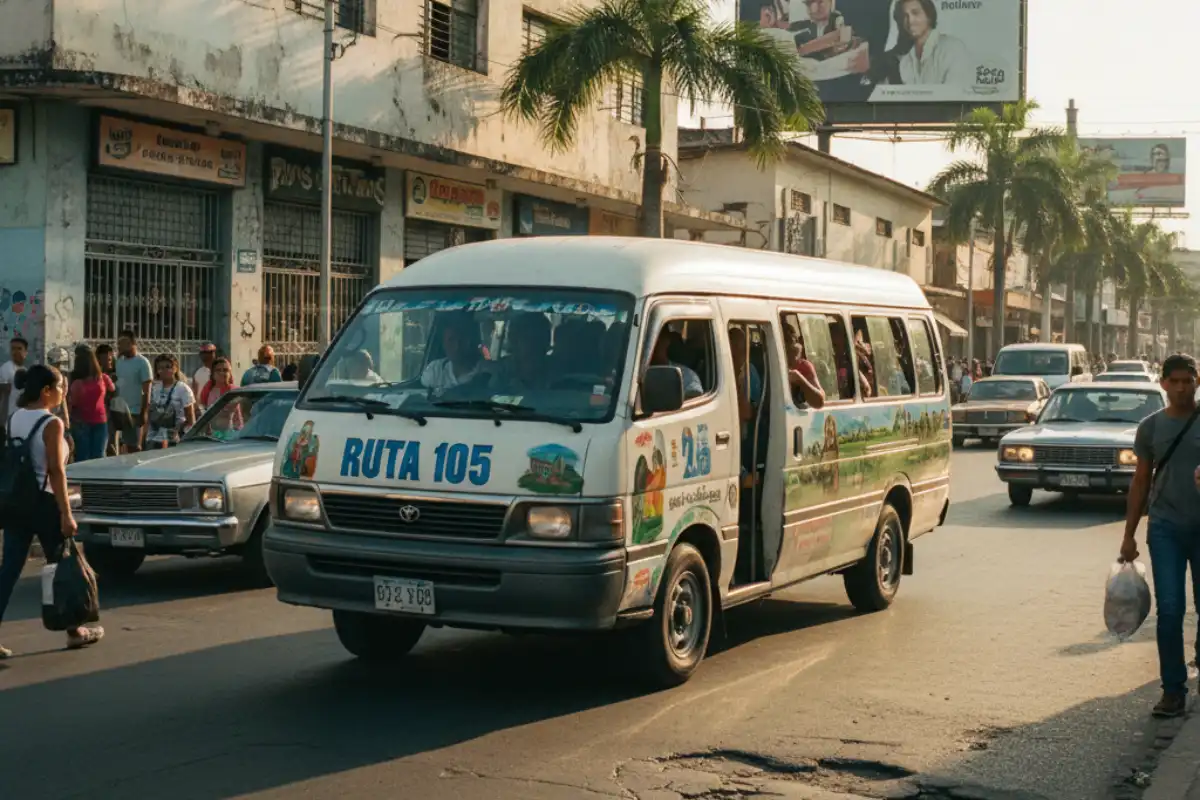
Managua’s public bus system is inexpensive but confusing, slow, and generally unsafe for tourists. The city’s decentralized layout makes reliable, fast transport essential. **Rely on taxis and Uber/InDriver.**
Fares (As of November 2025):
- Single Local Bus Ride: Approximately **6 NIO** ($0.16 USD). **AVOID** due to high risk of petty theft and confusion.
- Taxis/Ride-Sharing: Essential. **Uber (or InDriver)** are the safest. A ride between Los Robles and the Malecón is typically 100 – 180 NIO ($2.70 – $4.85 USD). **Always negotiate fares with street taxis before getting in.**
Tips for Transportation:
- **App-Based Only:** For safety, use app-based services (Uber/InDriver). This is the best way to travel long distances in the sprawling city.
- **Collective Taxis (Taxis Compartidos):** A common, cheaper option where the driver picks up multiple passengers going the same general direction. Negotiate your price before accepting.
4. Staying Safe: Dangers, Scams, and Avoiding High-Risk Zones
Nicaragua is generally safer than its northern neighbors, but Managua still requires diligence. The greatest risk comes from petty, opportunistic theft, particularly in crowded or desolate areas.
Common Tourist Dangers:
- **Phone Snatching:** High risk in crowded areas and when using phones near roads. Keep your phone secured until you are indoors or in a secure location.
- **Pickpocketing:** Common in markets and around bus terminals. Use anti-theft bags and keep wallets in front pockets.
- **Unlicensed Taxi Overcharging/Theft:** **Never use an unbooked, unmarked taxi at the airport or bus terminal.** Use pre-arranged transport or app-based services.
Areas to Be Cautious Of (and Zones to AVOID):
- **Old Central Market Areas:** Highly congested and known for high petty crime rates. Avoid or visit with extreme caution and no valuables.
- **Any Area Far from Main Roads at Night:** Managua is poorly lit and very quiet away from the main commercial arteries. Limit all walking after 7 PM.
- **The area surrounding the main bus terminal (Mercado Huembes):** Use vigilance when arriving or departing and use a taxi/Uber directly to and from the terminal entrance.
5. Ensuring a Positive & Unforgettable Managua Trip
Enjoy the low prices and the unique cultural spots by planning efficiently and prioritizing transport safety.
- **Use USD as Backup:** While the Córdoba (NIO) is the local currency, USD is widely accepted and easy to exchange. Carry a mix, as local *fritangas* prefer NIO.
- **Learn Basic Spanish:** Unlike tourist hubs like San Juan del Sur, English proficiency is low here. Basic Spanish phrases are essential for dealing with taxi drivers and local eateries.
- **Day Trip Gateway:** Use Managua as the efficient gateway for day trips to the colonial cities of **León** and **Granada** (both easily reached by bus/shuttle).
- **Ask Locals for Fritanga Spots:** The best *fritangas* are those frequented by locals ask your hostel host for their trusted, nearby recommendation.
6. Managua Travel FAQs (November 2025)
What is the local currency, and is USD accepted?
The local currency is the **Nicaraguan Córdoba (NIO)**. However, the **US Dollar (USD)** is widely accepted throughout the city, though small vendors prefer NIO.
Is the tap water safe to drink?
No, it is **not recommended** to drink the tap water. Stick to bottled water for all consumption.
How should I travel between the main sights?
Due to the city’s sprawl and safety concerns, **Uber, InDriver, or pre-negotiated fixed-price taxis** are the safest and most efficient way to travel between attractions.
Where is the best place to try local food cheaply?
The **fritangas** (evening street food grills) offer the best value for a large, delicious meal of grilled meat, rice, and plantains for less than $5 USD.
Is Managua a good base for day trips?
Yes, it is excellent. The main bus terminals offer cheap, frequent buses to the colonial gems of **Granada** and **León**, making them very accessible day trips.
Your Nicaraguan Adventure Awaits!
Explore Managua’s unique cultural landscape safely and cheaply. Embrace the *fritangas*, plan your routes, and enjoy the lowest prices in Central America!
Plan Your Nicaragua Route