Exploring Japan’s Cherry Blossom Trails
Every spring, Japan undergoes a breathtaking transformation as cherry blossoms, or *Sakura*, paint the landscape in shades of white and pink. This ephemeral phenomenon is more than just a beautiful sight; it is a cultural cornerstone representing renewal and the fleeting nature of life. For travelers, navigating the "Sakura Front" requires a mix of meteorological tracking, strategic planning, and an understanding of local customs known as *Hanami* (flower viewing).
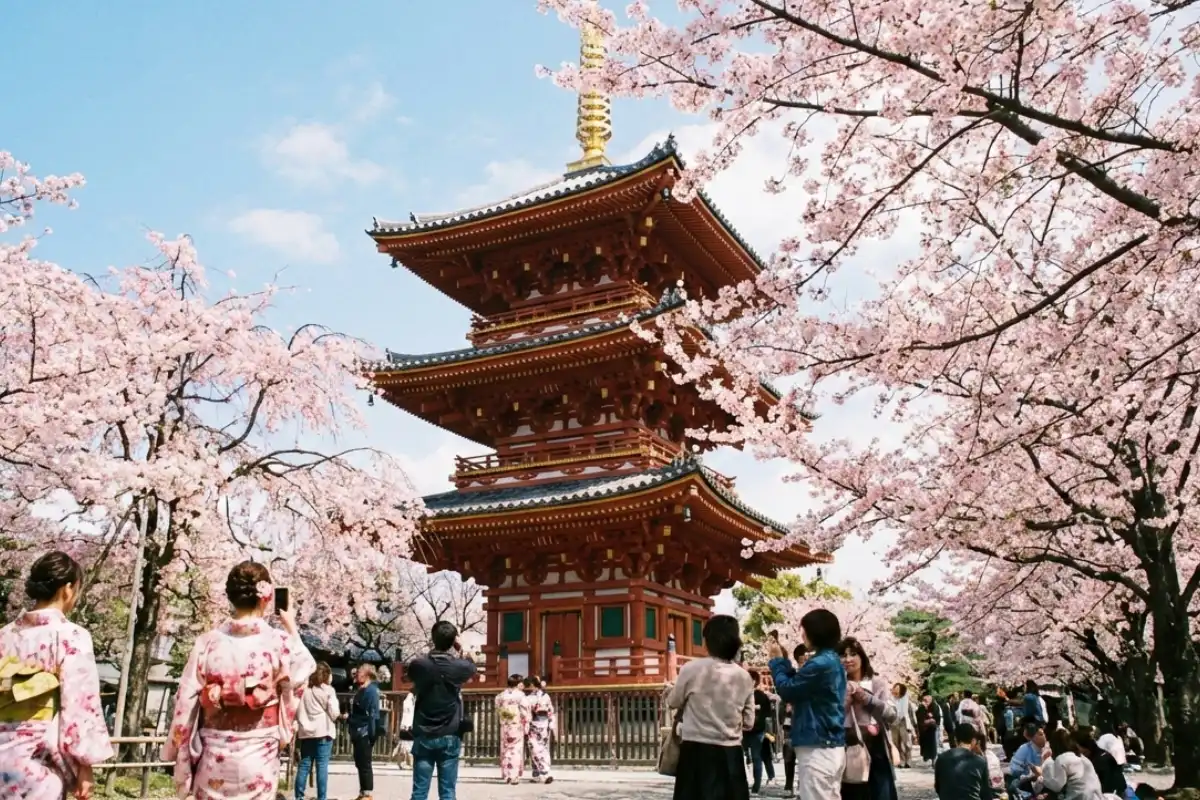
The Art of Timing: Chasing the Bloom
The cherry blossoms don’t bloom all at once. They follow a northern trajectory, starting in subtropical Okinawa in January and reaching Hokkaido by May. For the main islands (Honshu), the window typically opens between late March and early April.
- **Kaika (First Bloom):** The appearance of the first five or six flowers on a sample tree.
- **Mankai (Full Bloom):** Usually occurs about a week after the first bloom, offering the most spectacular views for 5-7 days.
Expert travelers on forums like Reddit’s *r/JapanTravel* emphasize the importance of flexibility. “Weather can shift the bloom by up to a week. Always have a ‘Plan B’ city further north or south in case your primary destination peaks early,” suggests one frequent visitor.
Hanami Etiquette: Viewing Like a Local
Hanami is the tradition of holding picnics under the cherry trees. To participate respectfully, keep these tips in mind:
- **Respect the Trees:** Never pick a blossom or shake a branch to make petals fall. The trees are sacred and delicate.
- **Cleanliness is Key:** Take your trash with you. Many parks do not have bins during festival season to prevent overflows.
- **Space Sharing:** If you lay down a blue tarp, ensure it’s only as big as your group needs. In popular spots like Ueno Park, space is at a premium.
Frequently Asked Questions About Sakura Season
When should I book my hotels for cherry blossom season?
Ideally, 6 to 10 months in advance. Hotels in Kyoto and Tokyo sell out rapidly, and prices can double or triple as the dates approach. Use refundable bookings if you want to stay flexible with the bloom dates.
Does the JR Pass cover travel to the best Sakura spots?
Yes. The JR Pass is excellent for moving between cities as the bloom shifts. You can take the Shinkansen (bullet train) from a city where the bloom has finished to one further north where it is just beginning.
What is “Yozakura”?
Yozakura refers to “night cherry blossoms.” Many famous trails, like the Meguro River in Tokyo, are illuminated with paper lanterns after sunset, creating a magical, glowing atmosphere that is completely different from daytime viewing.
Are cherry blossoms edible?
Yes! During this season, you will find “Sakura-themed” everything from Starbucks lattes to traditional *Sakura Mochi* (sweet rice cakes wrapped in a pickled cherry leaf). The leaves and petals are salted and pickled to preserve them.
What should I wear for spring travel in Japan?
Layers are essential. While daytime can be pleasantly warm, temperatures drop significantly in the evening, especially if you are sitting on the ground for a Hanami picnic. A light, packable down jacket is a traveler’s best friend.
Conclusion: A Journey of a Lifetime 🌸
Exploring Japan’s cherry blossom trails is a bucket-list experience that rewards those who plan with both logic and a sense of wonder. By following the bloom, respecting local traditions, and daring to venture beyond the most famous parks, you will discover why the Sakura season remains Japan’s most beloved time of year. Every falling petal is a reminder to enjoy the beauty of the present moment.