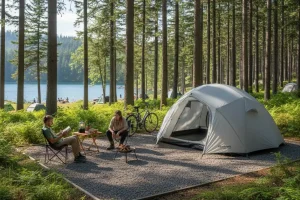
Essential Gear for First-Time Campers
Camping offers an incredible escape, a chance to disconnect from screens and reconnect with nature. For the first-timer, however, the sheer amount of gear available can be overwhelming. Do you need a lightweight backpacking tent or a heavy-duty family shelter? Which sleeping bag temperature rating is right? The truth is, your first trip doesn't require a military-grade supply store. The goal is simple: **stay warm, stay dry, and eat well.**
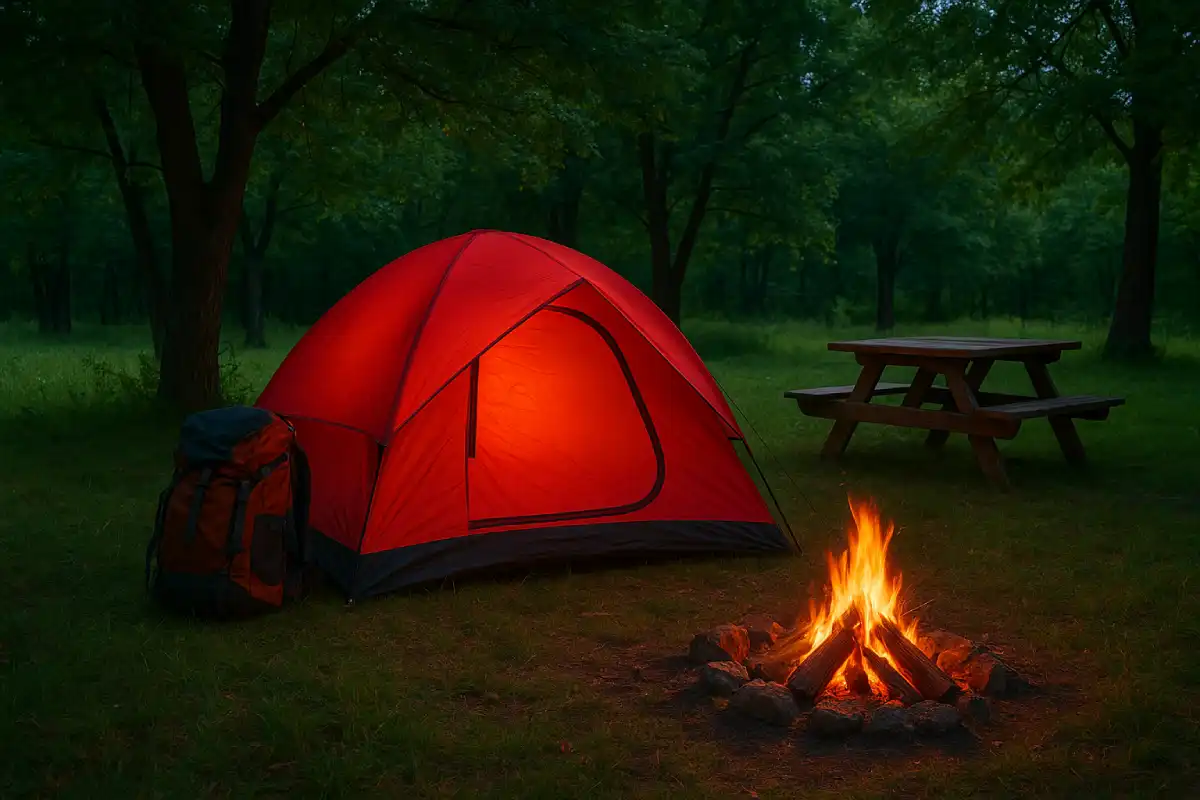
Shelter and Sleep: The Comfort Zone 🏕️
A good night’s sleep is the foundation of a successful camping trip. Don’t skimp on these items.
1. The Tent (Your Home Away From Home)
For car camping, prioritize size and ease of setup. Choose a tent rated for one or two people more than you need (e.g., a 4-person tent for two people) for comfortable space for gear. Look for:
- **Easy Setup:** Look for color-coded poles or instant-setup designs.
- **Rainfly:** A separate, full-coverage rainfly is crucial for staying dry during unexpected rain.
- **Footprint/Tarp:** An inexpensive ground tarp placed *under* the tent protects the floor from abrasion and prevents ground moisture from seeping up.
2. The Sleep System (Warmth is Key)
The ground steals heat. You need insulation below and above you.
- **Sleeping Pad or Air Mattress:** This is more important than the sleeping bag for insulation. For budget car camping, a simple air mattress or comfortable foam pad works well.
- **Sleeping Bag:** Check the **temperature rating**. For summer camping, a bag rated for 30–40°F (-1 to 4°C) is usually sufficient. Always check the forecasted nighttime low and choose a bag rated slightly lower for safety.
- **Pillow:** Bring a comfortable pillow from home it makes a huge difference.
Veteran Camper’s Hack: Sarah, from “Outdoor Life” Magazine Forum
“New campers always complain about being cold. Here’s why: they didn’t layer up *inside* the sleeping bag. Sleep in clean, dry wool or synthetic base layers (not the clothes you wore all day). And if you’re still cold, throw a warm blanket from your car *over* your sleeping bag. It adds amazing heat without buying a new bag.”
Kitchen and Food Essentials 🍳
You don’t need a gourmet kitchen, but you need a safe and reliable way to prepare food and stay hydrated.
1. Cooking and Fire Safety
Check local fire restrictions first. Relying on a communal fire pit isn’t practical for cooking.
- **Camp Stove:** A simple, single or double-burner propane stove is reliable and easy to control. Don’t forget the small propane fuel canister!
- **Cooking Basics:** Bring one multi-purpose pot/pan, a spatula, a sharp knife, a can opener, and a cutting board.
- **Cooler:** Use a quality cooler with plenty of ice. Pack food in reverse order of consumption so the freshest stuff stays at the bottom.
2. Lighting and Safety
A dark campsite is a dangerous campsite. Always have multiple light sources.
- **Headlamp:** An absolute must. It leaves both hands free for cooking, tent setup, and moving around after dark. Pack extra batteries.
- **Lantern:** A simple battery-powered LED lantern for lighting up the inside of the tent or the picnic table.
- **First-Aid Kit:** A comprehensive kit tailored for minor cuts, burns, insect bites, and essential pain relievers.
Backpacker’s Budget Advice: Alex, posted on an Adventure Travel Blog
“If you’re only going once, don’t buy expensive gear. Ask friends if you can **borrow** their stove, tent, or cooler. Most outdoor enthusiasts have a spare setup. If you can’t borrow, look for used gear online. A high-quality used tent is always better than a cheap, brand-new one that will leak in the rain.”
Frequently Asked Questions for First-Time Campers
What is the most crucial item I need to pack that people often forget?
The most commonly forgotten, yet vital, item is **extra water**, even if you have a water filter. For hygiene, drinking, and cooking, you’ll always use more water than you anticipate. Next is **proper insulation below you** (the sleeping pad) and a dedicated source of light for the bathroom at night (the headlamp).
How do I safely store food to deter animals?
Never leave food, garbage, or scented items (like toothpaste or soap) out in the open or inside your tent. Store all food and scented items in a locked car trunk, a designated bear locker (if available at the campsite), or securely suspended from a tree branch away from your tent. This protects both you and the wildlife.
Can I use a regular blanket instead of a sleeping bag?
For warm summer nights (above 60°F or 15°C) and if you have a good sleeping pad, you can often get by with a duvet or heavy blanket, especially if you’re car camping. However, regular blankets often don’t compress or insulate well. If temperatures drop below 50°F (10°C), a sleeping bag rated for cold is essential for safety.
What clothes should I wear and pack?
The secret is **layering**. Pack a moisture-wicking base layer (wool or synthetic), an insulating mid-layer (fleece or puff jacket), and a waterproof/windproof outer shell. Bring warm, dry socks and a hat for sleeping. Always have one complete change of clothes reserved only for sleeping to ensure you have something dry and warm.
How do I choose the right campsite location at the campground?
For comfort, try to choose a site that is flat, level, and well-drained (avoiding any dips where water might collect). Look for an area that offers natural shade from the morning sun if you like to sleep in. Stay away from communal bathrooms or water taps for more quiet and privacy.
Conclusion: Pack Smart, Camp Happy
Your first camping trip should be an introduction to the joys of the wilderness, not a struggle with leaky tents or cold meals. By focusing on the essential gear a dry shelter, a warm sleep system, a reliable way to cook, and sufficient light and safety tools you’ll have everything you need. Don’t be tempted by every gadget; keep it simple, prioritize comfort and safety, and embrace the experience. After all, the best part of camping is the fresh air, the stars, and the sense of accomplishment, not the gear itself. Happy camping!