Eco-lodges for winter stays
Choosing an **eco-lodge** for a winter vacation is a powerful way to reduce your environmental impact while embracing the coziness of the cold season. Unlike standard resorts that consume significant energy for heating, true eco-lodges are designed around principles of **passive heating, renewable energy, and resource conservation**. They prove that luxury, warmth, and sustainability can coexist, even in freezing temperatures. These retreats offer deep connection with the winter wilderness while maintaining an ethical footprint.
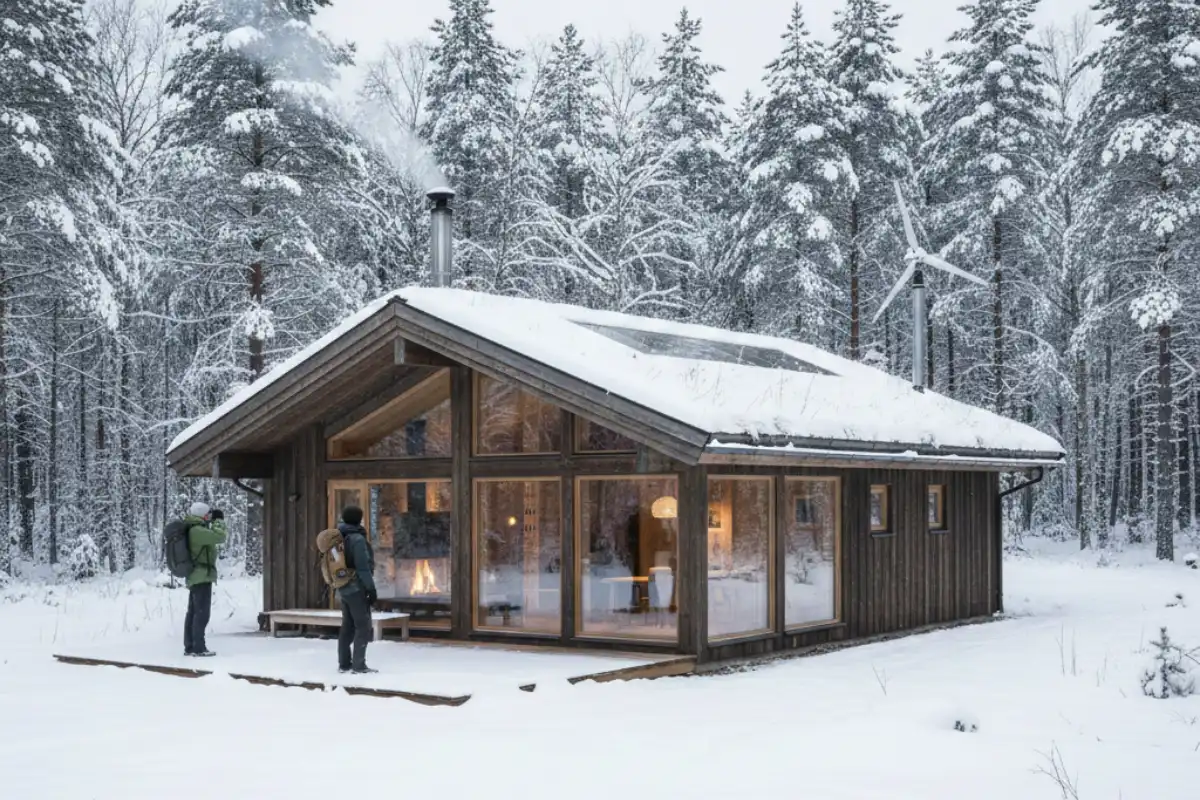
The Principles of Winter Eco-Lodging
A lodge’s commitment to sustainability is most rigorously tested in the winter. Key features define a genuinely green stay:
1. Energy Efficiency and Heating
Sustainable winter accommodation relies heavily on architectural design to conserve heat.
- **Passive Solar Design:** Buildings are oriented to maximize solar gain through south-facing windows (in the Northern Hemisphere) during the day, reducing the need for artificial heating.
- **Insulation:** High R-value insulation in walls, roofs, and floors, often using sustainable materials like recycled denim or locally sourced wood fiber, minimizes heat loss.
- **Heating Sources:** Reliance on **geothermal heat pumps**, high-efficiency biomass boilers (using sustainable wood pellets), or centralized wood-burning stoves rather than electric resistance heating.
2. Water and Waste Management
In snowy, potentially remote areas, managing resources is critical.
- **Composting Toilets:** Used in remote cabins to save water and manage waste effectively.
- **Greywater Recycling:** Systems that treat and reuse water from sinks and showers for non-potable uses, such as toilet flushing.
3. Sustainable Building Materials
Eco-lodges often utilize materials sourced locally to reduce transport emissions and blend into the natural environment.
- **Construction:** Look for structures built with **local timber, reclaimed wood, or earth-based construction (e.g., rammed earth)** which provides natural thermal mass.
Traveler Insights: Finding the Best Green Stays 🌲
Experienced eco-travelers look beyond marketing claims to verify genuine sustainability:
- **Verify Certifications:** “Don’t just trust the word ‘eco.’ Look for credible third-party certifications like **LEED, Green Key, or specific local/regional standards** for sustainable tourism. These are non-negotiable proof points for true commitment.” (Source: Ethical Travel Journalist Blog)
- **Location over Amenities:** Lodges deep in protected areas (like national parks or reserves) often face stricter rules on construction and waste, forcing them to be genuinely low-impact, even if amenities are rustic.
- **Support Local:** Choose lodges that hire local staff and prioritize **local, seasonal food sourcing** for their menus a key indicator of supporting the regional economy and minimizing supply chain emissions.
- **Guest Review:** “We stayed at a high-altitude off-grid lodge. Their main rule was, ‘If you didn’t burn it or eat it, it leaves with you.’ That level of transparency and accountability made us genuinely more mindful of our waste during the stay.” (Source: Sustainable Travel Forum)
Booking Tip: Understanding The Carbon Offset
“When booking, check if the lodge offers or automatically includes a carbon offset fee for your stay. While offsets aren’t a perfect solution, a transparent breakdown of their energy sources (e.g., solar, micro-hydro) and water usage indicates a serious commitment to measuring and mitigating their operational impact, especially on heating.” (Source: Carbon Neutral Travel Agency)
The Eco-Friendly Winter Experience
Activities at eco-lodges are typically low-impact, allowing guests to connect with the winter landscape without excessive noise or pollution:
- **Transport:** Focus on human-powered activities: **cross-country skiing, snowshoeing, or winter hiking**.
- **Relaxation:** Use wood-fired saunas or hot tubs rather than energy-intensive electric heating elements.
Frequently Asked Questions About Eco-Lodges
Are eco-lodges generally more expensive than standard hotels in winter?
Often, yes. The initial investment in highly efficient building materials, renewable energy systems (solar panels, geothermal), and sustainable staffing practices can be higher, which is sometimes reflected in the room rate. However, the value lies in supporting ethical practices and getting a truly unique experience.
How can I ensure my power usage is low at a winter eco-lodge?
Use the lodge’s natural heating systems effectively. Close blinds at night to trap heat, open them during the sunny day for passive gain, turn off all lights when leaving the room, and use the provided blankets instead of turning up the thermostat.
Do eco-lodges always mean ‘roughing it’ in the cold?
Not at all. Many high-end eco-lodges offer incredible luxury with minimal impact. Concepts like **passive house design** ensure the interior temperature is perfectly comfortable, often exceeding the comfort levels of older, less-insulated standard hotels.
What is ‘thermal mass’ and why is it important in cold climates?
Thermal mass refers to the ability of heavy, dense materials (like concrete, stone, or water) to absorb, store, and slowly release heat. In winter eco-lodges, walls or floors with high thermal mass absorb solar heat during the day and radiate it back into the room at night, stabilizing the temperature.
Is the food served at eco-lodges always vegetarian or vegan?
While many eco-lodges offer excellent vegetarian options, they are not strictly veg-only. Their focus is on **sustainable, local, and seasonal sourcing**. This means they might serve local game or ethically raised meat, but portion sizes will likely emphasize vegetables and locally available ingredients.
Conclusion: Sustainability Wrapped in Warmth ✨
Choosing an eco-lodge for a winter stay means seeking out destinations where the architecture and operations actively minimize environmental harm. By prioritizing lodges with verifiable green certifications, passive heating design, and low-impact activities, you are ensuring your cozy winter retreat contributes positively to the destination and offers a transparent, guilt-free connection with the beautiful cold wilderness.