Eco-friendly winter gear brands
For the **conscious traveler and outdoor enthusiast**, choosing eco-friendly winter gear means looking beyond recycled materials. It involves vetting brands for ethical labor, repair programs, and the elimination of toxic chemicals like **PFCs (Perfluorocarbons)** in their Durable Water Repellent (DWR) coatings. This guide spotlights the leaders in sustainable winter wear and offers expert advice on how to shop responsibly.
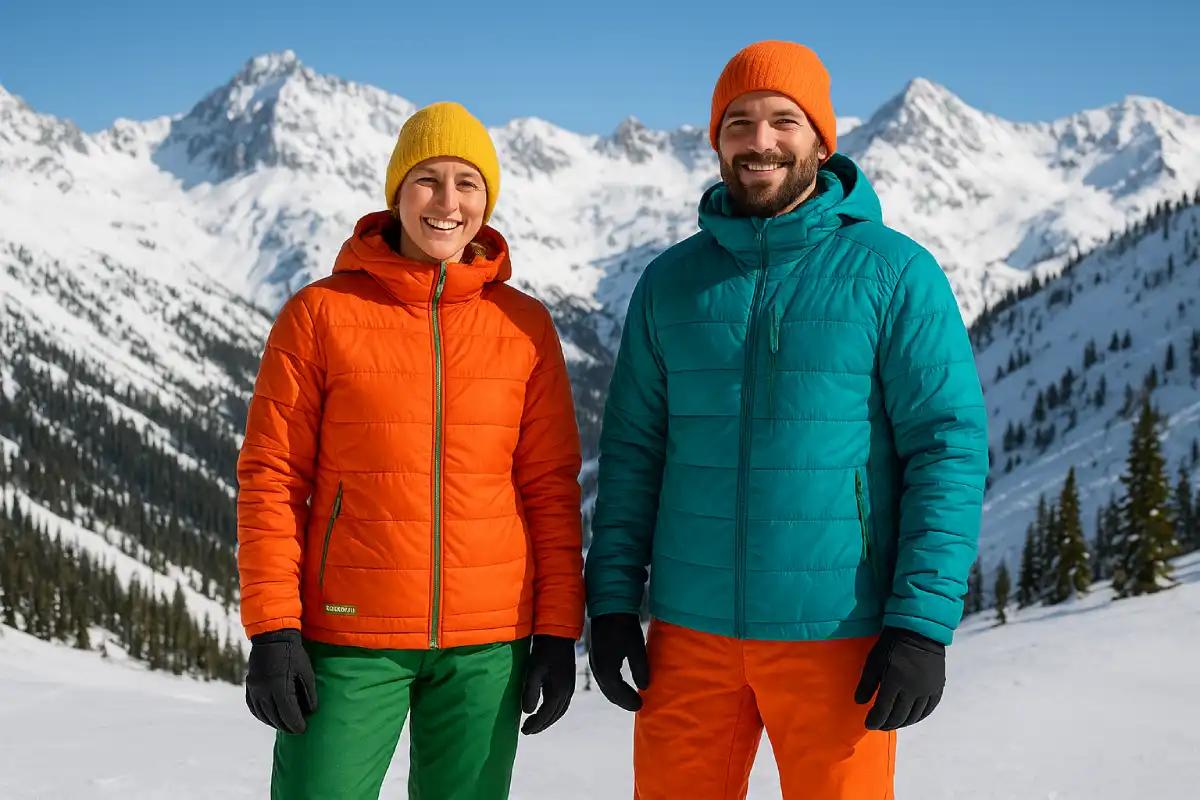
Leaders in Sustainable Outdoor Wear ♻️
These brands are commonly cited by ethical fashion blogs and outdoor review sites for their verifiable commitment to sustainability.
1. Patagonia (The Pioneer)
Patagonia is the undisputed heavyweight, known for its radical transparency and commitment to repair and longevity.
- **What they do well:** Extensive use of **recycled polyester** (often from plastic bottles) and **recycled down**. They offer a lifetime guarantee and the “Worn Wear” program for repairs and reselling, encouraging customers to buy less.
- **Key Certification:** Certified B Corporation.
2. Picture Organic Clothing (Style and Planet Focus)
A French brand that has quickly gained traction for its stylish designs and extremely high environmental standards, focused almost entirely on snow sports.
- **What they do well:** **100% of their products contain recycled, organic, or responsibly sourced materials.** They utilize bio-based fabrics (made from castor oil) in some membranes and have committed to being completely PFC-free.
- **Traveler Review:** “I bought a Picture jacket because I loved the bold colors, but the performance and the PFC-free DWR coating made me a permanent customer. The quality is equal to any major brand.” (Source: Ski Gear Review Forum)
3. Arc’teryx (Durability and Repair)
While often seen as a luxury performance brand, Arc’teryx’s sustainability focus lies in **durability** making products that last decades and its strong commitment to repair and end-of-life recycling programs.
- **What they do well:** Excellent warranty and a robust **ReBird program** that focuses on repairing, upcycling, and reselling used gear, directly challenging fast fashion.
Key Eco-Friendly Features to Look For 🧐
When shopping, look for these specific terms on the tag to confirm genuine sustainability.
1. PFC-Free DWR
PFCs (Perfluorinated chemicals) are traditionally used to make outerwear waterproof but are known to be persistent environmental pollutants. **Look for the explicit label “PFC-free DWR” or “PFOA/PFOS-free”** to ensure the waterproofing isn’t toxic.
2. Recycled Materials
The best brands maximize their use of post-consumer waste, often turning plastic bottles into performance fabrics like polyester. A high percentage (70% or more) of recycled content in shells and insulation is an excellent indicator of sustainability.
Outdoor Journalist Advice: Certifications are Key
“Don’t just trust the label ‘sustainable.’ Look for third-party certifications. The **Bluesign® system** is the gold standard for textile manufacturing, ensuring the entire supply chain uses low-impact chemicals and environmentally safe production practices. If a brand uses Bluesign®-approved materials, you know they’ve done their homework.” (Source: Outdoor Industry Magazine)
3. Responsible Down Standard (RDS)
For insulated jackets and sleeping bags, ensure the brand sources its down and feathers through the **Responsible Down Standard (RDS)**. This certifies that the down does not come from animals that have been subjected to unnecessary harm, such as force-feeding or live-plucking.
Beyond the Gear: Ethical Practices 🤝
Sustainability extends beyond materials to how a company treats its workers and its products’ life cycle.
- **Fair Trade Certified:** Look for this logo, which guarantees that workers involved in making the clothing received a premium for their labor, improving working conditions and community development.
- **Commitment to Repair:** Choose brands that actively encourage you to send back damaged gear for repair instead of replacement. This is the ultimate test of a product’s longevity and a brand’s commitment to reducing landfill waste.
- **Transparency:** A truly eco-friendly brand will be transparent about its factories, material sourcing, and carbon footprint reduction goals. Look for publicly available impact reports on their website.
Frequently Asked Questions About Eco-Friendly Winter Gear
Is eco-friendly gear less durable or less waterproof than traditional gear?
Absolutely not. Modern technological advances mean that sustainable materials and PFC-free coatings offer performance equal to or, in some cases, superior to traditional materials. Brands like Picture and Arc’teryx wouldn’t be industry leaders if their gear failed on the mountain.
Why is Merino wool considered eco-friendly?
Merino wool is a natural, renewable, and biodegradable fiber (unlike synthetic fleece). It requires less washing, which saves water and energy, and when you do wash it, it doesn’t shed plastic microfibers into the water system. Look for wool certified by the **Responsible Wool Standard (RWS)** for ethical farming.
What are microplastics, and how do I avoid them when buying winter gear?
Microplastics are tiny plastic fibers shed from synthetic materials (like polyester fleece) when they are washed. To reduce microplastic pollution, prioritize **natural fibers** (wool, hemp) for base and mid-layers, and consider using a **microfiber filter bag** (like a Guppyfriend) when washing your synthetic fleece and jackets.
Are second-hand or used gear purchases the most eco-friendly option?
Yes. The most sustainable piece of clothing is always the one that already exists. Buying used gear, either through community marketplaces or through certified programs like Patagonia’s Worn Wear, drastically reduces the environmental impact associated with new production, regardless of the materials used.
Does ‘recyclable’ mean the same as ‘recycled’ on gear labels?
No, they are different. **’Recycled’** means the product was made using old waste materials (e.g., plastic bottles). **’Recyclable’** means the product *can* theoretically be recycled at the end of its life, but this depends on local facilities and the brand’s take-back programs, which are often limited.
Conclusion: Invest in Longevity and Ethics 🌍
Choosing eco-friendly winter gear is a powerful decision that supports ethical labor, clean water, and the reduction of landfill waste. By prioritizing transparency, seeking out third-party certifications (Bluesign, Fair Trade, RDS), and demanding durability, you invest not only in high-performance clothing but also in the preservation of the snowy landscapes we love to explore. Buy less, choose well, and make your next winter adventure a sustainable one.