Dublin for First-Time Visitors: Itinerary & Budget Tips
Dublin, the capital of Ireland, is a city renowned for its rich literary history, vibrant pub culture, and friendly locals. From the cobbled streets of Temple Bar to the serene campus of Trinity College, Dublin offers a blend of historical charm and modern energy. While it has a reputation for being an expensive city, a trip to Dublin can be surprisingly affordable with the right planning. This 2025 guide provides essential tips on how to explore the city on a budget, covering cheap accommodation, food, transport, and key safety advice.
A City with a Heart of Gold
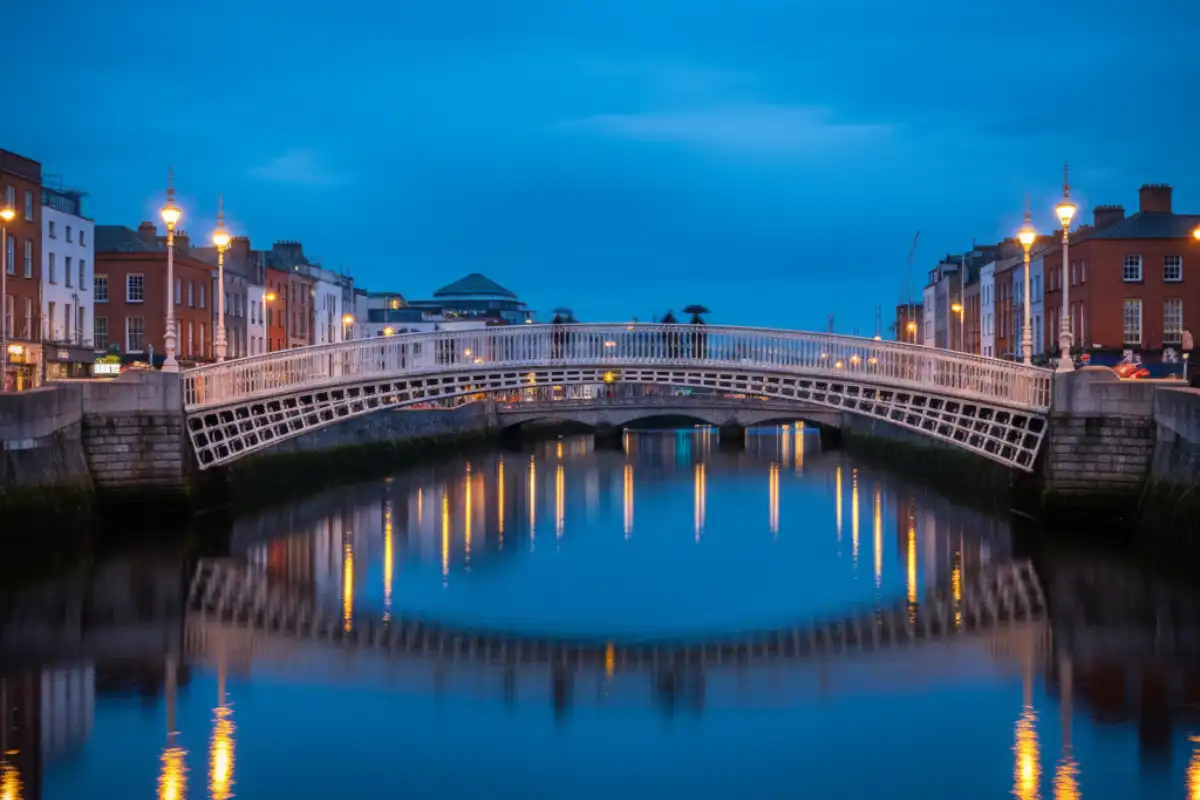
Dublin is a city that feels both grand and intimate. Its compact center makes it perfect for walking, and its lively pub scene and cultural landmarks ensure there’s never a dull moment. The city’s literary heritage, from Oscar Wilde to James Joyce, is palpable in its streets and museums. Our guide will help you experience the best of Dublin while keeping your travel expenses in check.
Dublin’s Top Sights for First-Timers
Iconic Sights:
- Trinity College & The Book of Kells: Walk through the historic campus and marvel at the stunning Long Room Library and the ancient Book of Kells. Book tickets in advance online.
- Temple Bar: While touristy, this vibrant neighborhood is a must-see for its lively pubs, street performers, and unique atmosphere.
- Guinness Storehouse: Learn about the history of Ireland’s most famous stout and enjoy a pint at the Gravity Bar with a 360-degree view of the city.
- St. Stephen’s Green: A beautiful public park that offers a peaceful escape from the city bustle.
Budget-Friendly Tip: While some attractions have high entrance fees, many of Dublin’s best experiences are free. Stroll along the River Liffey, explore the streets of the Old City, and visit free museums like the National Museum of Ireland.
1. The Cost of a Bed: Budget-Friendly Accommodation
Accommodation in Dublin is one of the biggest travel expenses. Hostels are the most budget-friendly option, with many centrally located choices. Booking well in advance, especially for weekend trips and during the summer, is essential.
Hostel & Budget Accommodation Prices by Area (Average per night for a dorm bed, September 2025)
| Area | Description | Average Price (USD/night) | Pros for Budget Travelers |
|---|---|---|---|
| City Centre (e.g., Temple Bar, O’Connell Street) | The most convenient and lively area, close to all the main attractions. | $45 – $75+ | Best for nightlife and sightseeing. Prices are at their peak here. |
| Portobello & The Liberties | Slightly outside the immediate city center, with a more local vibe. | $40 – $65 | Quieter but still very walkable to the main sights. Offers better value. |
| Drumcondra & Phibsborough | More residential areas to the north of the city center. | $35 – $60 | Cheaper prices, great local pubs, and well-connected by bus to the center. |
Note: Prices are estimates for a dorm bed. Prices can soar on weekends and during major events.
Tips for Saving on Accommodation:
- Stay in Hostels with Free Breakfast: Many hostels offer a free breakfast, which can save you a significant amount of money.
- Consider Staying Further Out: While less convenient, staying a few bus stops away from the center can dramatically reduce your nightly rate.
2. Eating on a Dime: Dublin’s Budget Food Scene
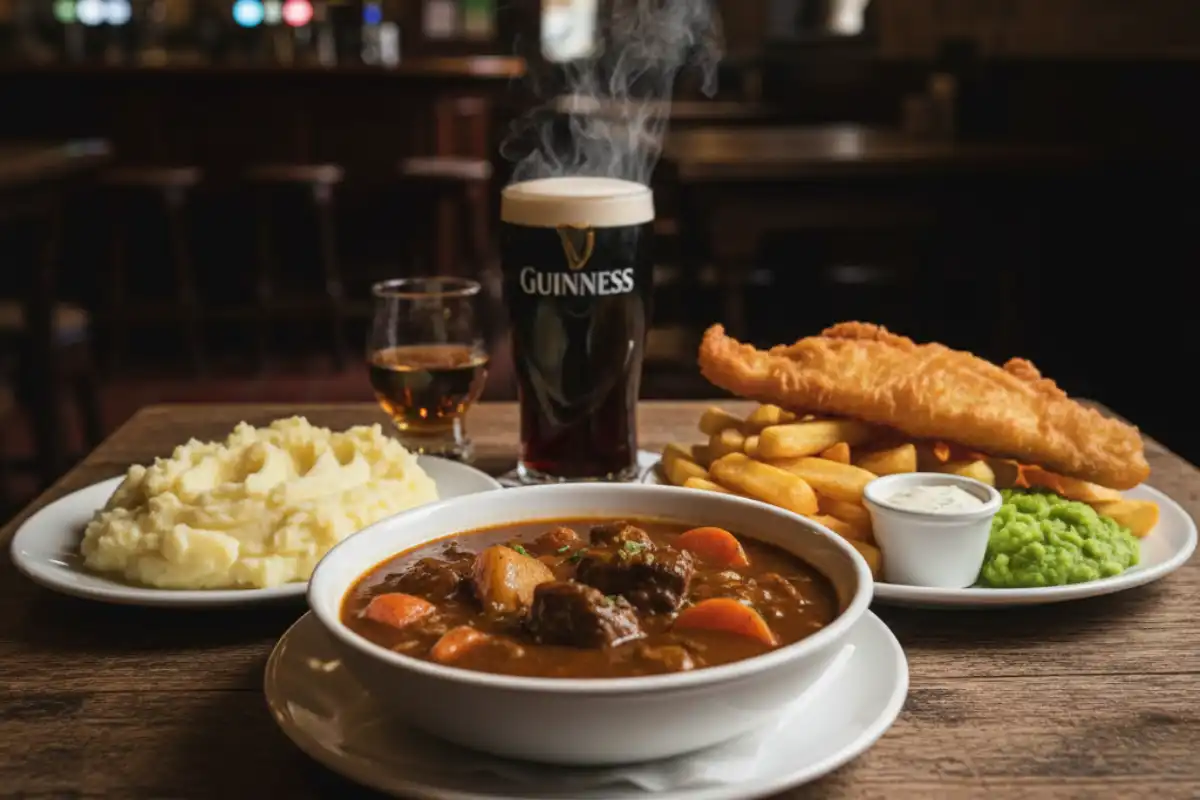
Dining in Dublin can be expensive, but you can find a lot of affordable and delicious food if you avoid the tourist traps. Pubs are a great option for affordable and hearty meals.
Estimated Budget Food Costs (September 2025):
- Breakfast: €5 – €10 ($5.50 – $11 USD) for a coffee and a pastry or a “breakfast roll” from a local cafe.
- Lunch: €10 – €18 ($11 – $20 USD) for a pub lunch or a casual meal.
- Dinner: €15 – €30 ($16.50 – $33 USD) for a meal at a mid-range restaurant.
- Daily Budget for Food: €30 – €50 ($33 – $55 USD) is a reasonable budget.
Budget Eating Tips:
- Eat at Pubs: Many pubs offer excellent value with their “carvery” lunches or evening meals. It’s often cheaper than a restaurant.
- Look for Supermarket Meal Deals: Chains like Tesco and Dunnes Stores offer great value “meal deals” for lunch.
- Try a “Breakfast Roll”: A classic and very filling Irish breakfast item that’s cheap and sold in most convenience stores.
3. Getting Around: The Cost of Public Transit
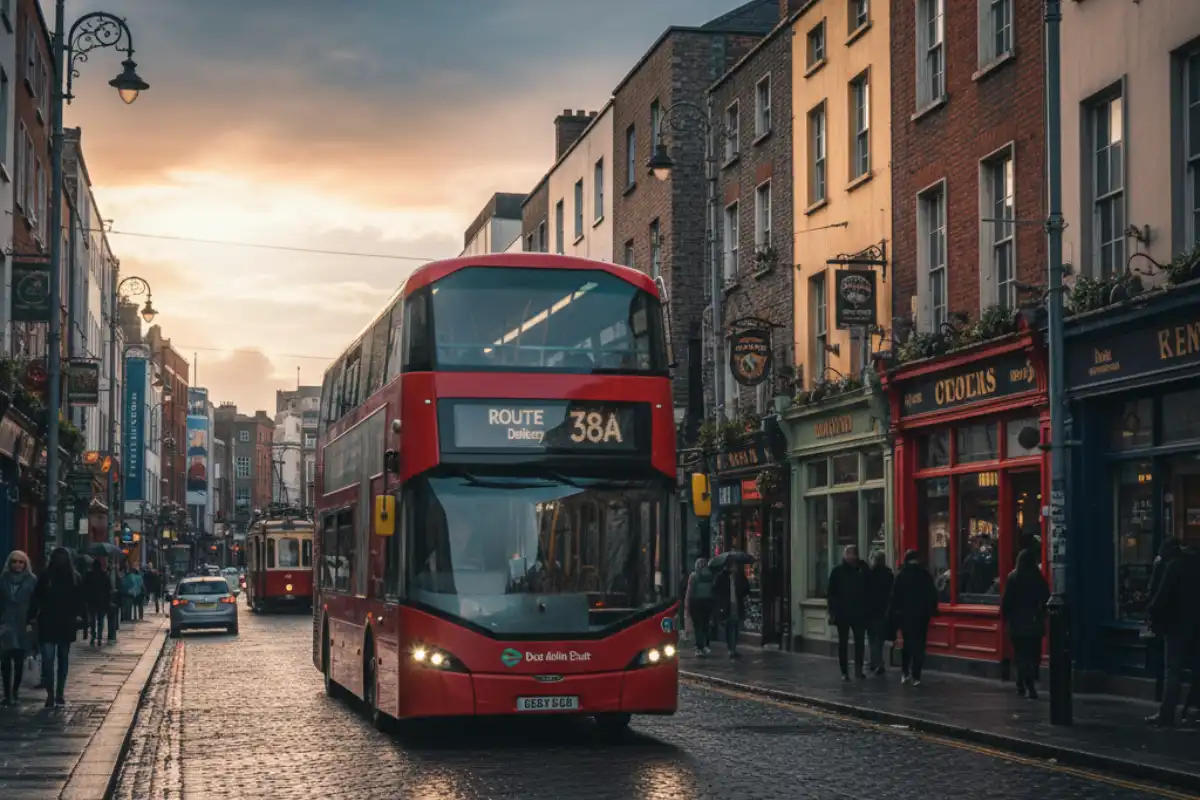
Dublin’s city center is very walkable, so you may not need to use public transport much if you stay centrally. For longer distances, Dublin Bus and the Luas (tram) are the main options.
Fares (As of September 2025, subject to minor changes):
- Single Bus Ticket: Fares are based on the number of stops. You can pay with a contactless card or a Leap Card.
- Leap Card: This is a reusable electronic card for public transport. It offers a 31% discount on fares compared to cash. A day cap on fees is also applied.
- Airport Bus: The Aircoach or Dublin Bus routes are the cheapest ways to get from the airport to the city center, costing around €7-€8.
Tips for Transportation:
- Walk, Walk, Walk: The best way to see the city’s sights is on foot. The city is relatively flat and easy to navigate.
- Get a Leap Card: If you plan on using public transport more than once, getting a Leap Card is a must-do to save money.
- Use Your Phone: Many buses accept contactless payment, making it easy to pay for a journey without a Leap Card.
4. Staying Safe: Dangers, Scams, and Areas to Avoid
Dublin is generally a safe city for tourists. However, as with any major city, it’s wise to be aware of your surroundings and take precautions against petty crime.
Common Dangers & Scams:
- Pickpocketing: Be cautious in crowded areas like Temple Bar, on buses, and around major tourist attractions.
- Pub Scams: Some pubs in high-traffic tourist areas may overcharge. Always check your bill or ask for a price before ordering.
Areas to Be Cautious Of:
- O’Connell Street at night: While a major thoroughfare, it can attract a more rowdy crowd late at night. It’s best to be vigilant here.
- Some areas of the North Inner City: While not dangerous, some parts can feel less comfortable to tourists, especially at night.
General Safety Advice:
- Trust Your Gut: If a situation feels uncomfortable, trust your instincts and leave.
- Secure Your Valuables: Keep your money, phone, and passport in a secure, front pocket or a travel-safe bag.
- Emergency Numbers: Police/Ambulance/Fire 999 or 112.
5. Ensuring a Positive & Unforgettable Dublin Trip
Dublin’s true magic lies in its people and its atmosphere. To get the most out of your trip, embrace the local culture.
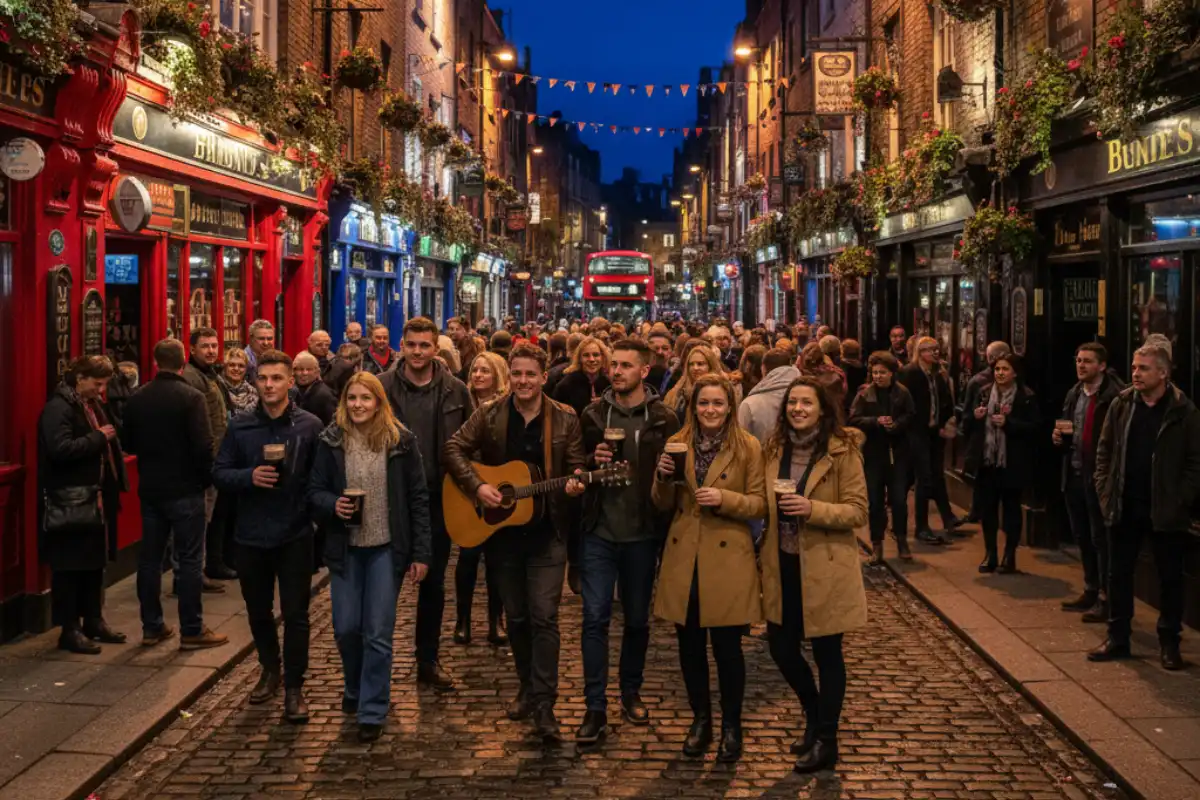
- Go Beyond Temple Bar: While a must-see, explore local pubs outside the tourist areas for a more authentic experience.
- Take a Free Walking Tour: These tours are an excellent way to get a local perspective on the city’s history and stories. A tip for the guide is customary.
- Embrace the “Craic”: The Irish term for fun, conversation, and a good time. Engage with locals, share a joke, and enjoy the famous Irish hospitality.
- Visit a Literary Pub: Dublin has a rich literary history. Consider a literary pub crawl or just visit a pub frequented by famous writers.
6. Dublin Travel FAQs (September 2025)
What is the currency in Ireland?
The currency is the Euro (€). Credit cards are widely accepted, but it’s good to have some cash for smaller pubs and cafes.
How can I get from Dublin Airport to the city center?
The cheapest ways are the Aircoach shuttle bus or the regular Dublin Bus service. Both are frequent and affordable.
Is Dublin a walkable city?
Yes, the city center is very walkable. The main tourist areas are concentrated on both sides of the River Liffey and are easy to navigate on foot.
Do I need to speak Irish to visit Dublin?
No, English is the primary language. While you may see some signs in Irish (Gaeilge), it’s not necessary to know the language to get around or communicate.
Are there any free things to do in Dublin?
Yes, many of the best sights are free! You can explore the National Museum of Ireland (multiple locations), walk through St. Stephen’s Green, and wander the lively streets and markets at no cost.
Your Dublin Adventure Awaits!
Dublin is a city that will leave you with a warm heart and lasting memories. With these budget tips, you’re ready to explore this lively capital without breaking the bank. Enjoy the craic!
Start Planning Your Dublin Trip