Dog sledding tours: Where to try them
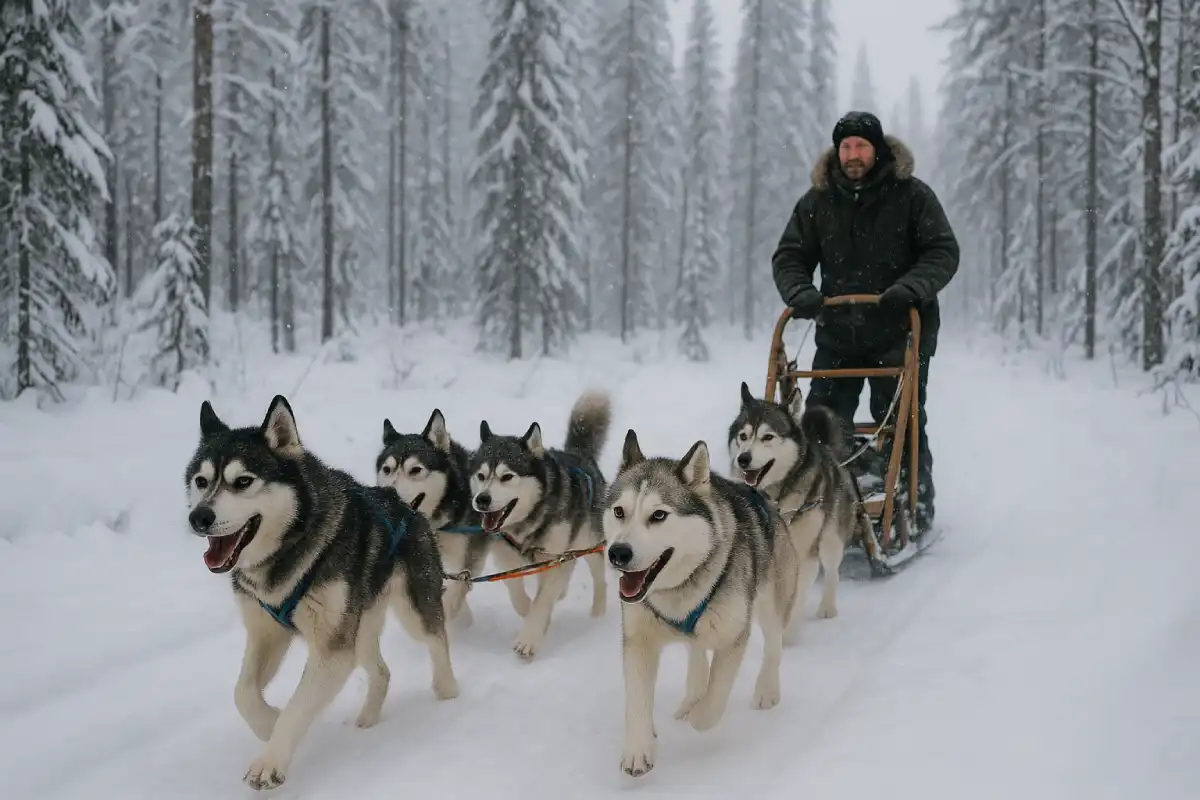
Dog sledding, or mushing, is an exhilarating, historic mode of transport that connects travelers to the raw, frozen wilderness. The experience the quiet sound of runners on snow, the panting of the excited huskies, and the stunning Arctic scenery is a bucket-list dream for many. The question for the modern traveler is: where can you find an authentic, high-quality, and, most importantly, **ethical** dog sledding tour?
Global Hotspots for Dog Sledding 🌎
Three regions stand out for their tradition and quality of sledding tours.
1. Scandinavian Lapland (Norway, Sweden, Finland)
This is often the most accessible and tourist-friendly area for first-timers, known for its stunning boreal forests and Northern Lights viewing opportunities.
- **Tromsø, Norway:** Located above the Arctic Circle, it offers a dramatic setting with fjords and mountains. Many tours here are **self-drive**, allowing you to be the musher (driver) and feel the thrill of controlling the team.
- **Abisko, Sweden:** A less crowded spot famous for its clear skies and high chance of seeing the Aurora Borealis. Tours here often emphasize the peaceful, silent quality of the wilderness.
- **Rovaniemi & Kuhmo, Finland:** Home of Santa Claus, Finnish Lapland offers a traditional, deep-forest experience. Tours often include overnight stays in wilderness cabins and sauna access.
- **Traveler Review:** “I did a self-drive husky tour near Tromsø, and it was incredible. The dogs are so clearly eager to run you have to use the brake constantly! It was the most fun activity I’ve done in over 70 countries.” (Source: Major Travel Blog/Forum Review)
2. Alaska & The Yukon (USA & Canada)
The historical heartland of mushing and home to the world’s most famous long-distance races, like the Iditarod and the Yukon Quest.
- **Fairbanks, Alaska:** Known for its authentic, harsh Arctic conditions and rugged tradition. Many tours are run by professional racers (mushers) who focus on the endurance and speed of the Alaskan Husky.
- **Yukon Territory, Canada:** Offers vast, untouched wilderness perfect for multi-day expeditions. Here, the focus is often on the expedition experience, covering long distances and living off-grid.
3. Greenland (The Traditional Way)
Dog sledding in Greenland, particularly in the areas north of the Arctic Circle (like Sisimiut and Kangerlussuaq), is more than a tourist activity it is a traditional way of life. The sleds are often more rugged, and the experience is focused on utility and cultural immersion.
Choosing an Ethical and Responsible Tour ✅
The most important factor is the welfare of the dogs. A responsible traveler must research the operator carefully.
1. Look for Signs of Quality Care
When researching or visiting the kennel, watch for:
- **Dog Condition:** Are the dogs well-fed, energetic, and interacting positively with the mushers? Sled dogs are bred to run and are genuinely excited to work. Look for this enthusiasm.
- **Kennel Setup:** Are the dogs clean? Do they have access to shelter and fresh water? While huskies are fine in extreme cold, they should not be neglected.
- **Transparency:** Reputable operators are transparent about their breeding, training, and retirement programs. They should happily answer questions about dog welfare.
2. Prioritize Self-Driving or Small Groups
Large, overcrowded tours that simply shuttle passengers often prioritize profit over the dogs’ well-being. Self-drive tours (where two people share a sled and take turns mushing) are often a better indicator of an ethical, educational experience.
Experienced Musher Advice: The Dog’s Enthusiasm
“If you arrive at a kennel and the dogs are loud, barking, and jumping in their harnesses before the run, that’s a good sign! These dogs live to pull. A good musher knows their dogs’ capabilities and will never push them too far. If you are sharing a sled, be ready to jump off and push during uphill sections it’s part of the fun and shows respect for the team.” (Source: Long-Distance Musher & Tour Operator Interview)
Frequently Asked Questions About Dog Sledding
Is dog sledding cruel? How do I ensure it’s ethical?
Dog sledding is a matter of ongoing debate. However, when done ethically, sled dogs (Alaskan and Siberian Huskies) are specifically bred for running and genuinely love the activity. To ensure ethics, **always book small, independent operators** that treat the dogs as family members, provide detailed information on dog health/retirement, and are certified by local tourism boards.
What is the difference between a ‘Musher-Led’ and a ‘Self-Drive’ tour?
In a **Musher-Led** tour, you sit as a passenger on a large sled driven entirely by an experienced guide. In a **Self-Drive** tour (often shared by two people), you receive training and actively drive the sled, steering and braking. Self-drive offers a more hands-on, exhilarating experience.
What is the best time of year to go dog sledding?
The peak season for snow conditions is typically **late January through mid-April**. December and early January offer the darkest nights for Northern Lights viewing, but snow conditions can be less reliable. Late winter (March/April) offers longer daylight hours and often milder temperatures.
Do I need any special physical fitness to mush a team?
For most beginner tours, **no extreme fitness is required**, but you must be able to stand on the runners for extended periods and have enough strength to use the brake and occasionally push the sled uphill. It is a more active experience than many people anticipate, especially on self-drive tours.
What gear do I need to bring for dog sledding?
Nearly all professional operators provide high-quality **outerwear**, including insulated snowsuits, mittens, and boots, as these are mandatory for Arctic temperatures. You should wear **thermal base layers** (wool or synthetic), a mid-layer, and a warm hat/neck gaiter underneath the provided gear.
Conclusion: Running with the Wind 🌬️
Dog sledding is a remarkable way to connect with the raw beauty of the winter world and the incredible spirit of the sled dogs. Whether you choose the accessible landscapes of Lapland or the rugged frontier of Alaska, the key to a memorable journey is selecting an ethical operator who places canine welfare and genuine adventure at the heart of their business. Prepare for the effort, embrace the silence of the wilderness, and enjoy the ride.