Day Trips from Santiago: Andes Mountains, Vineyards, and Coastal Towns
Santiago, Chile’s vibrant capital, is perfectly situated between the towering Andes Mountains and the Pacific Ocean, making it the ideal base for a variety of unforgettable, budget-friendly day trips. From the bohemian hills of **Valparaíso** to the world-class wineries of the **Maipo Valley** and the stunning landscapes of **Cajón del Maipo**, everything is just a short bus ride away. This 2025 guide details how to maximize your time and budget in this South American hub, covering accommodation, affordable food, transport logistics, and essential safety tips for navigating the city and its surroundings.
The Chilean Base Camp
While Santiago itself offers plenty of museums, parks, and culture (especially in Barrio Lastarria and Bellavista), its strategic location is its biggest asset for budget travelers. Chile’s bus system is efficient and high-quality, allowing you to easily escape the city smog and explore three wildly different landscapes: the rugged mountains to the east, the sprawling wine valleys to the south, and the artistic coast to the west.
Essential Day Trips from Santiago (Budget Focus)
Iconic Experiences:
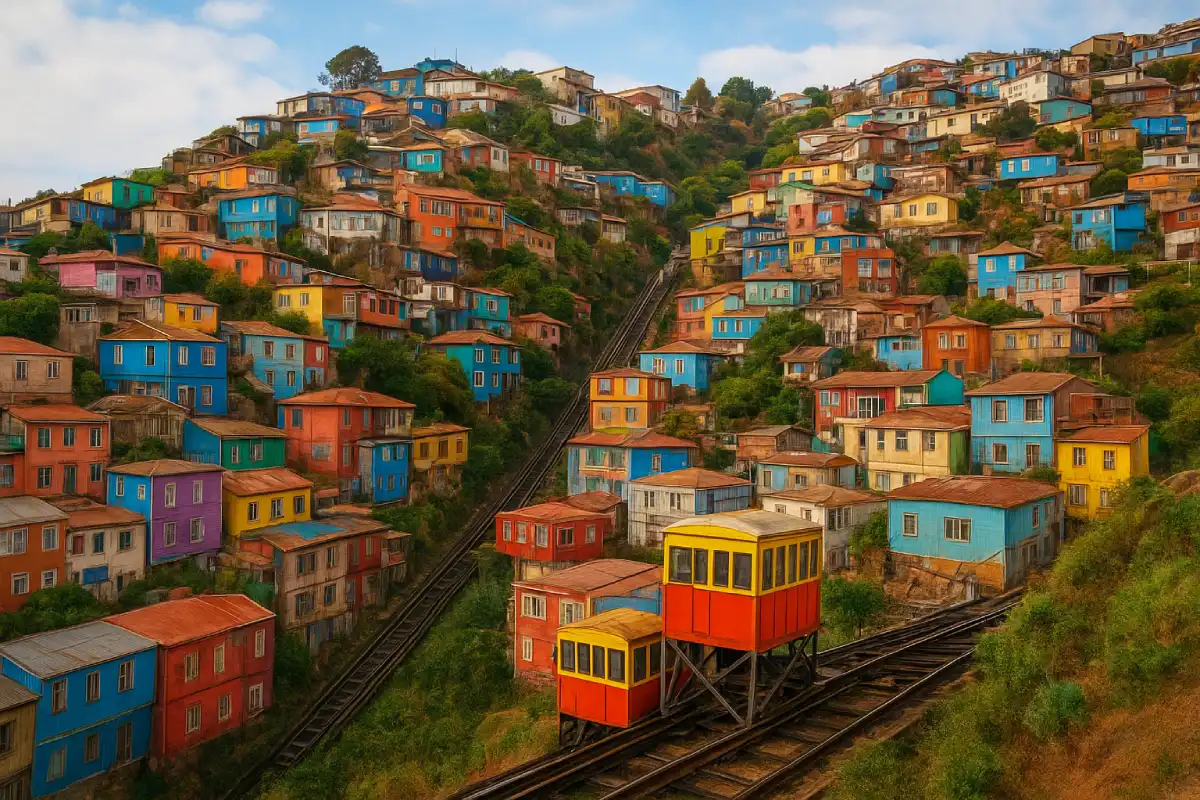
- Coastal Adventure (Valparaíso & Viña del Mar): Take a comfortable bus (less than 2 hours) to Valparaíso for street art and *ascensores* (funiculars), then hop a local bus to the resort city of Viña del Mar.
- Andes Mountains (Cajón del Maipo): Catch a Metro and then a local bus to the dramatic canyon area. See the Andes up close, visit the town of San José de Maipo, and potentially hike.
- Wine Tasting (Maipo Valley): Skip expensive tours. Take a public bus to a town like Pirque and visit a winery on the edge of the city (e.g., Concha y Toro) for a paid tasting, or simply enjoy the vineyards by foot.
Budget-Friendly Tip: Use companies like **Turbus or Pullman Bus** for intercity travel. Tickets to Valparaíso are often less than **$10 USD round trip** if booked at the central bus terminal (Terminal Alameda/Estación Central).
1. The Cost of a Bed: Budget-Friendly Accommodation
Chile is generally the most expensive country in the Southern Cone. Santiago’s budget accommodation is clustered in areas known for tourism and safety, leading to firm prices. Barrio Bellavista and Barrio Lastarria offer the best balance of atmosphere and location.
Hostel & Budget Accommodation Prices by Area (Average per night for a dorm bed, October 2025)
| Area | Description | Average Price (USD/night) | Pros for Budget Travelers |
|---|---|---|---|
| Barrio Bellavista | Bohemian, lively nightlife, close to parks and main attractions. | $18 – $28 | Highest energy, best for social travelers, but pricier. |
| Barrio Lastarria / Centro | Historic, cultural center, excellent Metro access. | $15 – $25 | Great central base for day trips; cultural hub. |
| Providencia | Upscale, cleaner, quieter residential area. | $14 – $22 | Better quality accommodation; quieter at night; slightly further out. |
Note: Prices are estimated for a standard dorm bed. Chile’s currency is the Chilean Peso (CLP).
Tips for Saving on Accommodation:
- Barrio Lastarria Balance: This area provides easy access to the Metro and bus terminals, minimizing transport costs for day trips while still offering a vibrant atmosphere.
- Book During Off-Season: Prices can soar during Chilean summer holidays (Jan-Feb). Book during the shoulder seasons (Mar-May, Sep-Nov) for better deals.
2. Eating on a Dime: Santiago’s Budget Food Scene
Chilean food is hearty but simple. The *menú del día* (set lunch) is the most effective way to eat affordably. Look for *picadas* (local dives) or *cocinerías* (market eateries).

Estimated Budget Food Costs (October 2025):
- Menú del Día (Set Lunch): 5,500 – 8,000 CLP ($5.80 – $8.40 USD). Includes soup, main dish, and a drink. Essential for budget travelers.
- Street Food (*Completos*/Empanadas): 1,500 – 3,500 CLP ($1.60 – $3.70 USD). The giant Chilean *Completo* (hot dog loaded with avocado, tomatoes, and mayo) is a must-try.
- Dinner (Inexpensive Restaurant): 8,000 – 15,000 CLP ($8.40 – $15.80 USD) for a traditional dish like *Pastel de Choclo* or *Cazuela*.
- Daily Budget for Food: 22,000 – 35,000 CLP ($23 – $37 USD) is a realistic budget for eating well using the *menú* system and local spots.
Budget Eating Tips:
- **Embrace the Lunch Menu:** Almost all restaurants offer a *menú del día* on weekdays. Use it as your main meal.
- **Try Market Seafood:** The **Mercado Central** offers fresh seafood. While the main restaurants are tourist traps, look for the smaller, less formal eateries around the edges for cheaper, authentic bowls of soup or fish.
3. Getting Around: The Cost of Public Transit
Santiago’s Metro is one of the best in South America clean, fast, and safe. Public transport is essential for reaching bus terminals for day trips.

Fares (As of October 2025, estimated):
- Single Metro/Bus Ride: Approximately **800 CLP** ($0.85 USD). Fares vary by time of day (peak hour is more expensive).
- BIP! Card: Essential for all public transit. Purchase the rechargeable card at any Metro station (one-time fee of approx. 1,500 CLP). Cash is not accepted on buses.
- Intercity Bus to Valparaíso: 4,000 – 8,000 CLP ($4.20 – $8.40 USD) one-way, depending on company and time.
- Taxis/Ride-Sharing: **Uber or Cabify** are highly recommended for safety and fixed pricing, especially at night. A short ride usually costs 4,000 – 7,000 CLP.
Tips for Transportation:
- **Get the BIP! Card Immediately:** You cannot use public transport without it. Load enough credit for daily use and to get to the main bus terminal (Estación Central/Terminal Alameda).
- **Use the Metro over Buses:** Buses are often slow and complex. The Metro is the backbone of efficient movement around the city center.
4. Staying Safe: Dangers, Scams, and Areas to Avoid
Santiago is safe by South American standards, particularly in the affluent eastern districts (Providencia, Las Condes). However, petty crime, especially cell phone theft, is extremely high.
Common Tourist Scams & Dangers:
- **Cell Phone Snatching:** This is the #1 risk. Thieves on bicycles or motorcycles quickly snatch phones from people near busy streets or cafe tables. **Do NOT use your phone near a road or open window.**
- **Distraction Theft:** Common in crowded Metro stations (like Baquedano) and the main bus terminals. Be wary of anyone bumping, distracting, or crowding you.
- **ATM Skimming:** Use ATMs inside banks or major shopping centers during banking hours. Avoid isolated street ATMs.
Areas to Be Cautious Of:
- **Estación Central (Bus Terminal Area):** High risk for theft and scams. Only go directly into the terminal and leave the area immediately upon arrival/departure.
- **The Central Market (Mercado Central) Area:** Very crowded and notorious for pickpockets and inflated prices. Exercise extreme vigilance.
- **Downtown (Centro) After Dark:** While not inherently dangerous, many streets empty out and are poorly lit. Use a ride-share app for safety when moving between bars/restaurants in the evening.
5. Ensuring a Positive & Unforgettable Santiago Trip
With its modern infrastructure and diverse surroundings, Santiago offers a smooth and highly rewarding travel experience for those prepared for its unique aspects.
- **Check Air Quality:** Santiago’s geographical bowl often traps smog, particularly in winter. Check air quality reports before planning strenuous activities or high-altitude trips.
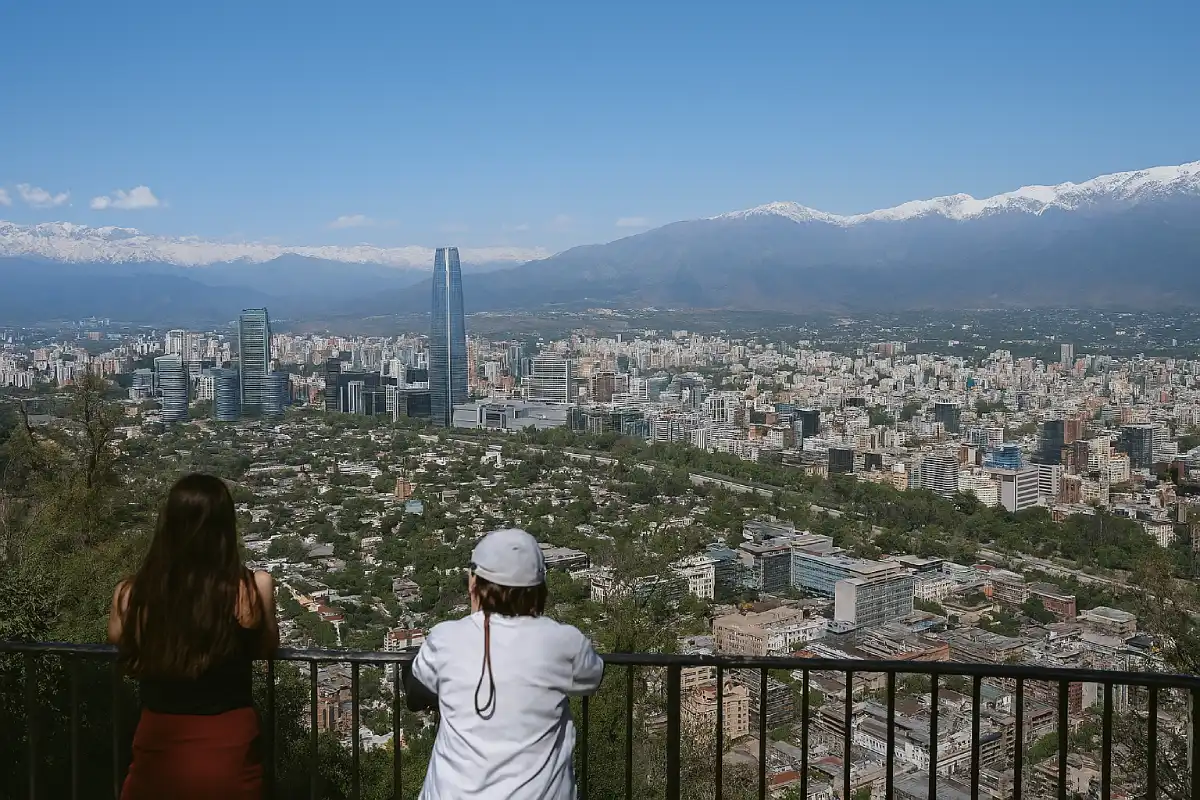
- **Hike Cerro San Cristóbal:** Walk or take the funicular/cable car up this large hill for the best views of the city and the Andes (a cheap activity right in the city).
- **Tipping:** Tipping 10% is customary in restaurants; you may be asked “Propina?” (Tip?). Rounding up is sufficient for small purchases.
- **Language:** Spanish is essential. English is less common than in other major South American hubs, especially with bus drivers or local eateries.
6. Santiago Travel FAQs (October 2025)
What currency is used in Santiago, and is card or cash better?
The currency is the **Chilean Peso (CLP)**. Cards (Visa/Mastercard) are widely accepted everywhere, even in taxis. You will need cash only for small street purchases or some market stalls.
Is the tap water safe to drink in Santiago?
Yes, the tap water is generally considered safe to drink throughout Santiago, especially in the central and eastern districts.
What is the cheapest way to get to Valparaíso?
Take the Metro to **Estación Central**, then walk to the adjacent **Terminal Alameda**. Buy a ticket from a bus company (Turbus/Pullman) for an inexpensive, 90-minute ride.
How can I see a vineyard without a tour?
Take the Metro to the **Estación Las Mercedes** or **Puente Alto** and walk or take a taxi to a nearby vineyard (like Concha y Toro) to simply walk the grounds or pay only for a cheap tasting session.
How do I pay for public transport?
You must purchase and load the **BIP! card** at any Metro station. This card is mandatory for both the Metro and the city buses.
Your Chilean Adventure Awaits!
With the Andes on one side and the Pacific on the other, Santiago offers unparalleled opportunities for diverse and affordable day trips. Start planning your Chilean base camp now!
Plan Your Chile Itinerary