Crete: Family-Friendly Beaches and History
Crete, the largest of the Greek islands, serves as a majestic bridge between Europe’s ancient past and its sun-drenched coastal present. For 2026, Crete remains the premier choice for multi-generational families, offering a rare blend of safe, shallow lagoons and world-class archaeological sites. This guide synthesizes fresh insights from Mediterranean travel experts and family-focused forums to help you navigate the island's diverse regions from the Venetian charm of Chania to the Minoan ruins of Knossos while ensuring every member of the family finds their piece of paradise.
1. Cretan Value: Family Stays from Chania to Elounda (June 2026)
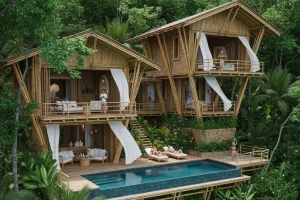
Crete is an island of vast distances. For families, the western region (Chania/Rethymno) is favored for its accessibility to beaches, while the east (Elounda) offers high-end luxury. Accommodation prices in June remain competitive before the July heatwave spikes.
Family-Friendly Lodging Prices by Area (Average per night, June 2026) – All Prices in Euro (€)
| Region / Town | Description | Average Price (EUR/night) | Family Focus |
|---|---|---|---|
| **Chania / Agia Marina** | The most popular base. Mix of Venetian history and sandy beach resorts. | **€90 – €160** (Family Suite / Apartment) | Excellent infrastructure; everything is walkable. |
| **Rethymno (Old Town)** | Central location with a long city beach and medieval charm. | **€75 – €130** (Traditional Stone House) | **Ultimate Budget Hack:** Great base for exploring both North and South coasts. |
| **Elounda / Agios Nikolaos** | The high-end eastern hub known for luxury villas and calm bays. | **€180 – €450** (All-Inclusive / Private Villa) | Upscale, quiet, and perfect for families seeking privacy. |
2. Cretan Diet: Healthy, Local, and Affordable
Crete is famous for its unique cuisine, which is often considered the healthiest in the world. Families benefit from “Taverna Culture,” where kids are welcomed with open arms and portions are meant for sharing.
Estimated Budget Food Costs (June 2026)
- **Street Food (Dakos or Gyros):** €5 – €8 (Dakos, a local rusk with tomato and feta, is a refreshing and cheap lunch).
- **Traditional Taverna Dinner:** €35 – €55 (Based on a family of three, including local “Meze” and house wine).
- **Bakery Snacks (Cheese Pies/Spanakopita):** €2 – €4 (Perfect for beach picnics).
- **Local Produce:** Groceries are remarkably cheap if you buy Cretan olive oil, honey, and seasonal fruit at local markets (“Laiki”).
- **Estimated Daily Budget for Food:** €40 – €65.
3. History & Adventure: From Minoan Palaces to Natural Coves
Crete offers an educational playground. Between the birthplace of Zeus and the legendary Labyrinth, there is no shortage of historical immersion for children and adults alike.
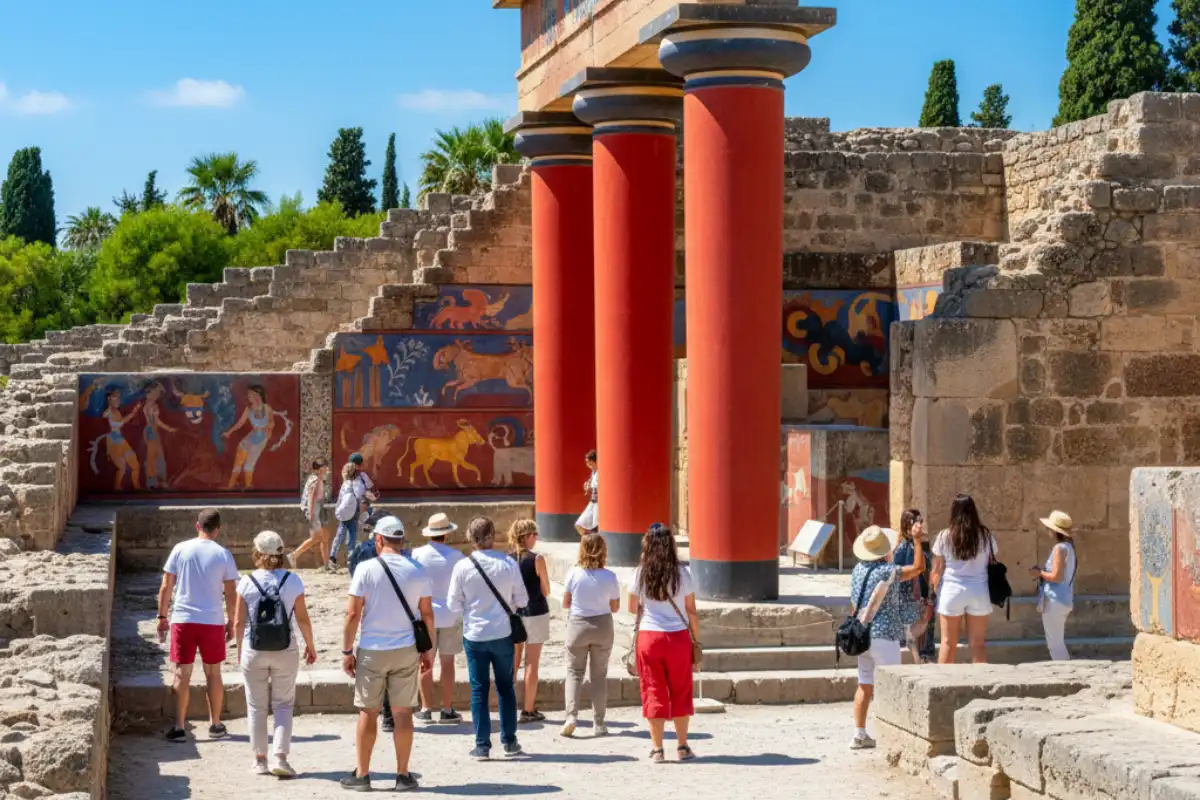
- **Knossos Archaeological Site:** **€15** (Free for children under 5). (Hire a guide to explain the myths to the kids; it’s worth the extra €50 for the group).
- **Balos Lagoon Ferry:** **€30 – €35**. (A boat trip from Kissamos that includes a visit to the Gramvousa fortress).
- **Cretaquarium (Heraklion):** **€12**. (One of Europe’s largest aquariums, perfect for a break from the sun).
- **Samaria Gorge Hike:** **€5** entrance. (A 16km trek. Recommended only for families with older teenagers; for younger kids, try the “lazy” route from Agia Roumeli).
4. Getting Around: The Necessity of a Rental Car
While public buses (KTEL) connect the main cities, reaching the most family-friendly beaches requires your own set of wheels. In 2026, electric car rentals are becoming the standard across the island.
Essential Transport for Tourists:
- **Car Rental (Economy):** **€40 – €65 per day**. (Book in advance to ensure you get an automatic, which is helpful for the steep mountain roads).
- **Public KTEL Bus:** **€2 – €15** depending on distance. Reliable and air-conditioned, but limited for remote beach access.
- **Driving Safety:** Cretan drivers are “expressive.” Keep to the right, often using the hard shoulder to let faster cars pass—a common local practice.
5. Safety and Family Etiquette in Crete (2026)
Crete is exceptionally safe. The greatest “dangers” are usually environmental rather than criminal. The local culture, “Filoxenia,” ensures that families are treated with immense respect.
Key Considerations for Tourists:
- **Water Safety:** Northern beaches (like Georgioupoli) can have strong undertows when the North wind (Meltemi) blows. Always look for the lifeguard’s flag.
- **Sun Exposure:** The Cretan sun is more intense than in mainland Europe. UV levels in June can reach $10+$. High-SPF sunscreen and hats are non-negotiable.
- **Heat Management:** Avoid archaeological sites like Knossos between 12:00 and 15:00. These stone ruins act as heat sinks.
Be aware of these logistics-based issues:
- **Narrow Mountain Roads:** GPS can sometimes lead you down “goat paths.” Stick to the main paved roads when traveling between the North and South coasts.
- **The “Bread” Charge:** Most tavernas bring bread and water to the table automatically. This isn’t a scam; it’s a small standard “cover charge” (usually €1–€3).
- **Over-planning:** Crete is too large to see in a week. Pick one side (East or West) and explore it deeply rather than spending half your holiday in a car.
6. Insider Tips for a Meaningful Cretan Holiday
- **Dine in the Village Squares:** Avoid the waterfront restaurants in Chania’s harbor for dinner. Head 10 minutes inland to a village square for better food at half the price.
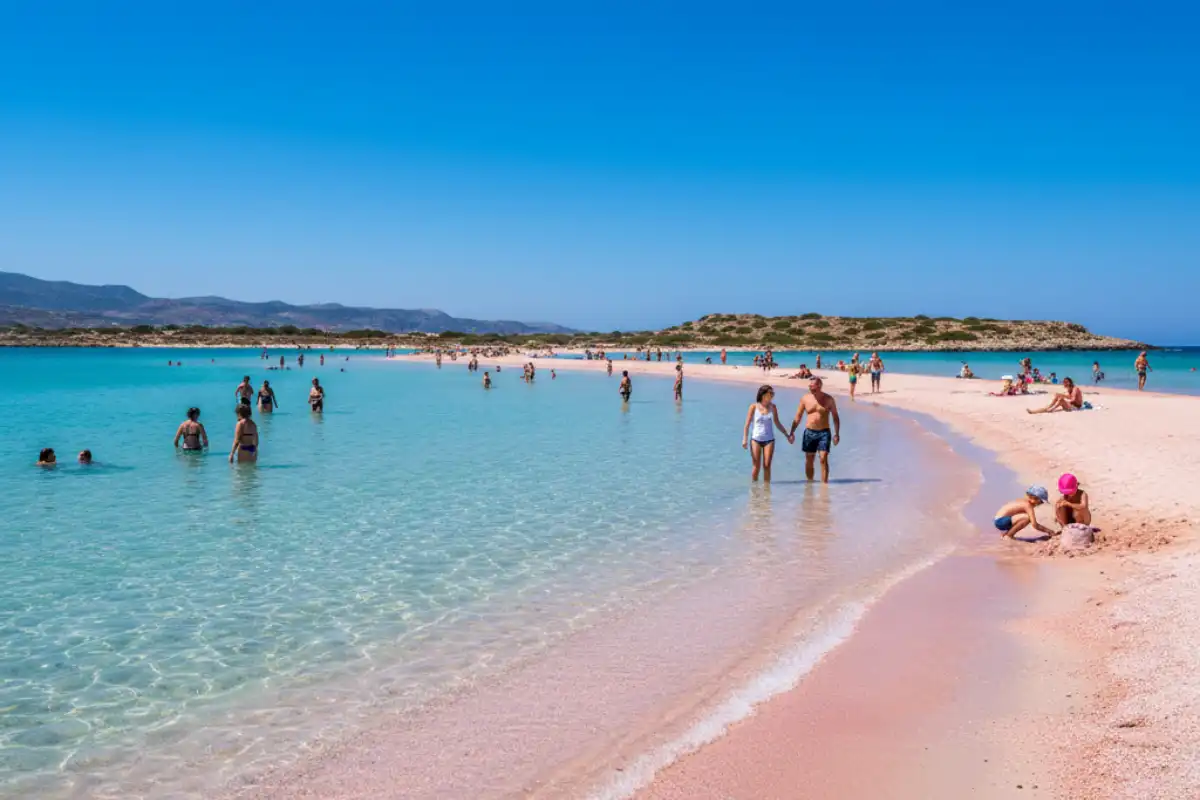
- **Visit Falassarna at Sunset:** While Elafonisi gets the fame, Falassarna has wider sands and the best sunset views on the island.
- **Try “Cretan Mountain Tea”:** Made from Sideritis, it’s a local cure-all and delicious when served cold with honey—a hit with kids.
- **Explore the Caves:** Take the kids to **Psychro Cave** (Dictean Cave), the legendary birthplace of Zeus. The hike up and the stalactites inside are a huge hit for young explorers.
7. Essential Crete Travel FAQs (June 2026)
Which part of Crete is best for families with toddlers?
The **Chania region** is ideal. Beaches like Marathi and Kalathas offer shallow, calm waters that are protected from the wind, making them very safe for small children.
Is the water warm enough to swim in June?
Absolutely. By mid-June, the sea temperature averages around 22°C to 24°C. The shallow lagoons like Elafonisi feel even warmer.
How many days do I need to see the island?
To see both the East and West, you need at least 10–14 days. If you only have a week, focus exclusively on the Chania/Rethymno area.
Is it easy to find gluten-free or vegan options?
Yes. Traditional Cretan food is naturally heavy on vegetables, pulses, and olive oil (the “Orphanos” dishes). Many tavernas are very accommodating to dietary needs in 2026.
What is the best way to get to Crete?
The most convenient way is flying into **Chania (CHQ)** or **Heraklion (HER)**. Alternatively, the overnight ferry from Athens (Piraeus) is a fun adventure for kids and saves you the cost of one night’s accommodation.
Ready to combine ancient mythology with the world’s most beautiful family beaches? Start planning your 2026 Cretan odyssey today!
Find the Best Family Villas in Chania