Castellón Travel Guide: From Orange Groves to Gothic Towers
Castellón de la Plana (Castelló de la Plana in Valencian) is a true hidden gem on Spain's Costa del Azahar. Unlike its crowded neighbors, Castellón offers authentic Valencian culture, a relaxed pace, and unbeatable budget travel opportunities. Nestled between vast **orange groves** and the Mediterranean Sea, the city boasts beautiful historic architecture, including the **Fadrí Bell Tower** and the **Concatedral de Santa María**. This 2025 guide provides essential budget tips, from securing cheap accommodation near the **Plaza Mayor** to navigating local transit and safely exploring the city's rich history.

Castellón: The Affordable Alternative on the Orange Blossom Coast
Castellón is the capital of a lesser-known Spanish province, which translates directly into lower prices for accommodation and dining. It’s a university city with a strong local identity, meaning travelers can easily find authentic experiences and traditional Spanish value. The city’s small, walkable center and affordable public transport make it ideal for budget exploration.
Essential Budget Sights & Experiences
Free Culture & History:
- *El Fadrí* and Plaza Mayor: The octagonal bell tower and the central square are the heart of the city. Enjoy the architecture and the bustling street life for free.
- *Ribalta* Park: A beautiful, expansive park perfect for a relaxing afternoon walk or a budget picnic lunch.
- Walk to the Port (*Grau*): Take a walk or the affordable TRAM line (explained below) to the coastal area, *El Grau*, to enjoy the marina and the beach (*Playa del Pinar*) for free.
Budget Food Highlights:
- *Mercado Central* (Central Market): Buy fresh, local produce, especially the famous oranges, for a very affordable breakfast or snack.
- *Menú del Día*: This set lunch menu is ubiquitous and highly affordable in Castellón’s non-touristy bars.
1. The Cost of a Bed: Budget-Friendly Accommodation
Castellón has fewer large hostels than major cities, but its numerous budget guesthouses (*Hostales*) and apartment rentals offer excellent value, especially around the university and city center.
Hostel & Budget Accommodation Prices by Area (Average per night for a dorm bed/basic single room, November 2025)
| Area (Barrio/District) | Description | Average Price (EUR/night) | Pros for Budget Travelers |
|---|---|---|---|
| *El Centre* (City Center/Plaza Mayor) | Historic core, close to all sights and nightlife. | €25 – €40 | Walkable to all main attractions, best atmosphere. |
| Near UJI (*Universitat Jaume I*) | University district, slightly outside the center. | €20 – €35 | Lowest prices, caters to students, excellent transport links (TRAM). |
| Near Train/Bus Station | Convenient for arrivals and regional trips. | €28 – €45 | Modern budget hotels and guesthouses, good accessibility. |
Note: True hostel dorms are rare. Prices reflect guesthouses (*Hostales*) or low-cost private room rentals. Prices are lowest in the November shoulder season.
Tips for Saving on Accommodation:
- **Check for *Hostales***: Use Spanish keywords like *Hostal* or *Pensión* when searching, as these family-run spots offer basic, clean rooms for less than hotels.
- **Book Off-Season:** November falls into a highly affordable period, avoiding the summer beach rush and major festivals.
2. Budget Valencian Flavours: Food Costs
Castellón, being a local city, provides authentic Valencian cuisine at exceptionally low prices, especially compared to Valencia city.
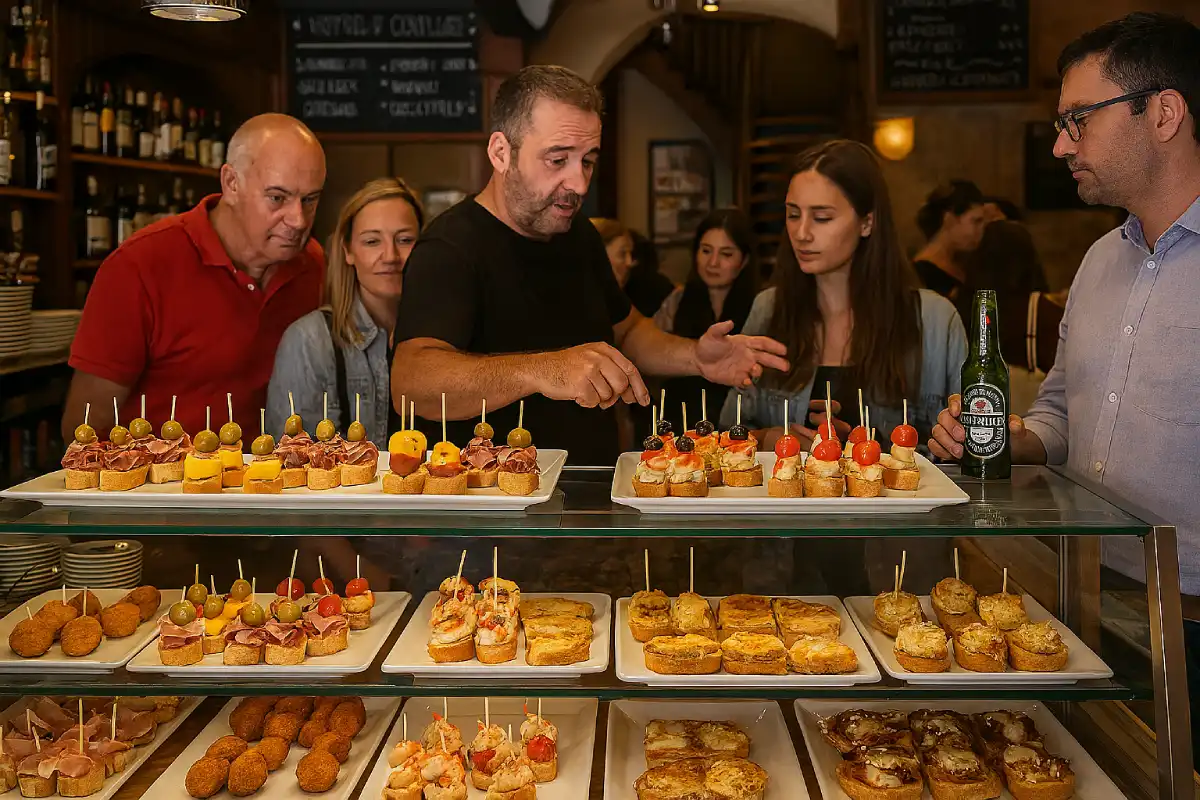
Budget Food Costs (November 2025):
- *Menú del Día* (Lunch Special): €9 – €14. Often includes 3 courses, a drink, and bread. This is the ultimate budget meal.
- Market Breakfast (*Almuerzo*): €4 – €7. Coffee, a small sandwich (*bocadillo*), and a beer/drink. The local mid-morning tradition is essential.
- Tapas/Dinner: €15 – €20. Easily covers 3-4 tapas and a couple of drinks at a local bar in the central districts.
- Fresh Orange Juice: €2 – €3. A must-try from the famous local orange groves.
- Daily Budget for Food: €25 – €40. This is very achievable if you stick to the *Menú del Día* and market stalls.
Budget Eating Tips:
- **Look for *Almuerzo***: Embrace the Valencian tradition of a hearty mid-morning snack (*almuerzo*) to tide you over until a late lunch.
- **Local Paella:** The region is famous for Paella. Find a local spot outside the immediate main square for the best authentic taste and price.
3. Getting Around: The Cost of Public Transit
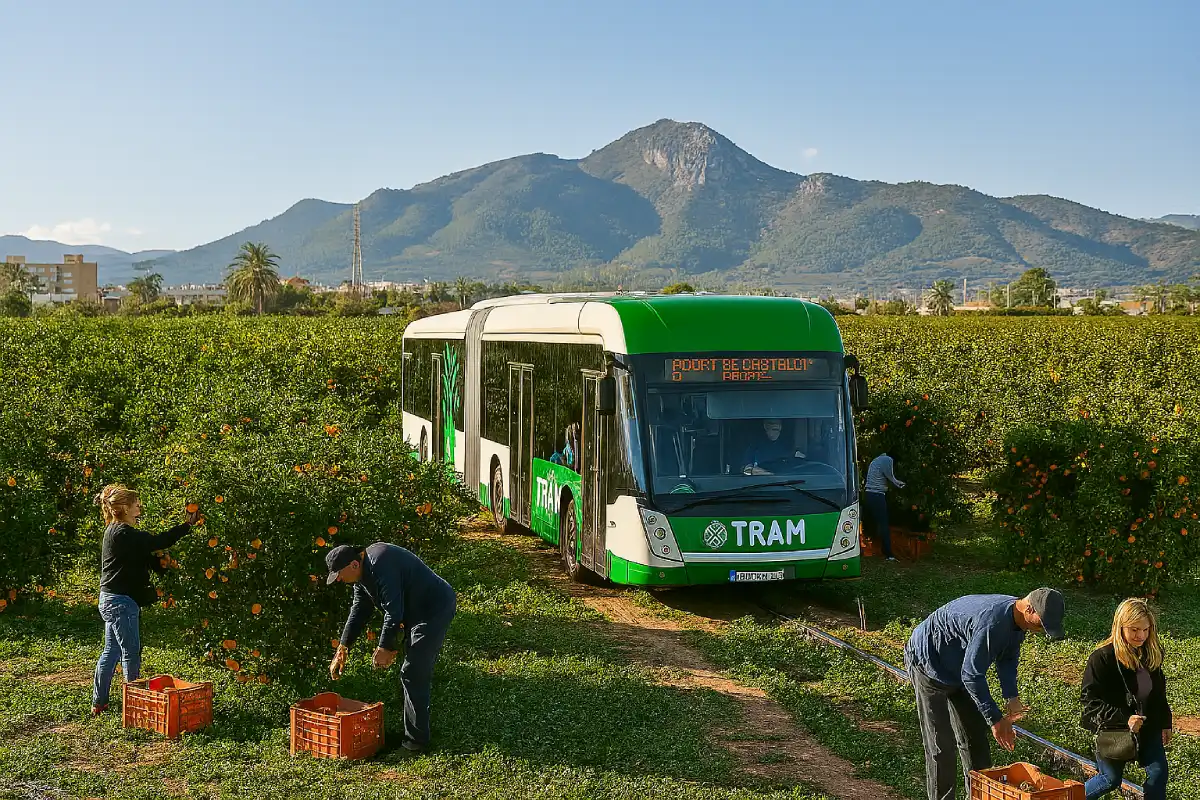
Castellón’s main public transit is operated by TUCS (Transport Urbà de Castelló), which manages city buses, and the unique, silent electric TRAM system that connects the city center with the port.

Fares (As of November 2025, estimated):
- Single Bus/TRAM Ticket: **€1.50** (Purchased on board).
- 10-Trip Pass (*Bono 10*): **€5.00** (plus a small card fee). This reduces the cost per trip to an exceptionally cheap **€0.50**. This is the best value for travelers.
- Tourist Card/Day Pass: Less common and usually not necessary due to the extreme low price of the *Bono 10*.
Essential Transport Tip:
The Bono 10 is essential for budget travel. At just €0.50 per ride, it offers almost free transport and makes the trips to the university, train station, and the beach/port extremely affordable. Purchase it at TUCS offices or some tobacco shops (*estancos*).
4. Staying Safe: Dangers and Scams
Castellón is widely considered a safe city, scoring well in local safety surveys. Unlike highly touristy coastal cities, scams are less prevalent, but tourists should still be alert for petty theft.
Common Tourist Concerns:
- **Pickpocketing:** The main risk is petty theft in high-traffic areas, such as the **Central Market**, **Plaza Mayor**, and on the **TRAM** when it is crowded. Keep bags secured and valuables out of back pockets.
- **The Distraction Scam:** Although less common than in Valencia or Barcelona, be wary of anyone suddenly trying to get your attention (e.g., dropping something, asking for urgent help) while you are in a crowded spot.
- **Unlicensed Street Vendors:** Vendors selling counterfeit goods may operate in the port or major plazas. While not inherently dangerous, transactions should be avoided.
Areas to Be Cautious Of:
- **Grau (The Port):** Be more vigilant here late at night, especially around isolated areas of the marina. Stick to the main restaurant strips and the illuminated beach promenade.
- **Quiet Side Streets in the Center:** As with any city, poorly lit or deserted narrow streets in the *Casco Antiguo* should be navigated with caution after dark.
5. Ensuring a Positive & Unforgettable Trip
Maximize your enjoyment by connecting with Castellón’s unique local culture.
- **Embrace the Valencian Language:** While Spanish is spoken everywhere, Castellón has a strong Valencian identity. Learning a few Valencian phrases (*Hola, Gràcies*) will be highly appreciated by locals.
- **Visit a *Mascletà***: If your trip coincides with a major local festival (like *Magdalena* in March), attend a *mascletà* (a highly coordinated firecracker show). It’s a loud, unique, and free cultural experience.
- **Take the TRAM to the Beach:** Don’t miss the easy, cheap trip to *El Grau* (the port) and *Playa del Pinar* for a relaxing afternoon away from the city bustle.
- **Support Local Markets:** Buy your snacks, gifts, and a portion of your meals from the **Central Market**. It’s the engine of the local economy and offers the freshest, cheapest products.
6. Castellón de la Plana Travel FAQs (November 2025)
How far is the beach from the city center?
The beach (*Playa del Pinar*) and the port (*El Grau*) are approximately 5 kilometers (3 miles) from the center. The best way to get there is by taking the dedicated TRAM line, which costs only €0.50 with a *Bono 10* pass.
Is the *Bono 10* pass worth it for a short trip?
Absolutely. Since the per-trip cost is dramatically reduced to €0.50 (compared to €1.50 for a single ticket), you save money even if you only use it 4 or 5 times, and you can share the card with travel companions.
What is the local Paella specialty in Castellón?
While Valencian paella is popular, being near the coast, you’ll find excellent *Paella de Marisco* (seafood paella) and the local favorite *Arroz a Banda*, a delicious rice dish cooked in fish stock.
Is it better to fly into Castellón (CDT) or Valencia (VLC) airport?
Valencia Airport (VLC) generally has more flight options and cheaper tickets. From Valencia, Castellón is easily accessible via a direct and affordable regional train (Cercanías) journey, which takes about 1-1.5 hours.
Can I use credit cards everywhere in Castellón?
Most hotels, large shops, and major restaurants accept cards. However, small local bars, market stalls, and some very small shops prefer or only accept cash for transactions under €10–€15. Always carry some euros.
Discover Spain’s Hidden Gem on a Budget!
Castellón de la Plana offers authentic Spanish value without the crowds. Start planning your affordable cultural and coastal escape today.
Explore More Affordable Spanish Cities