Best winter resorts with hot springs
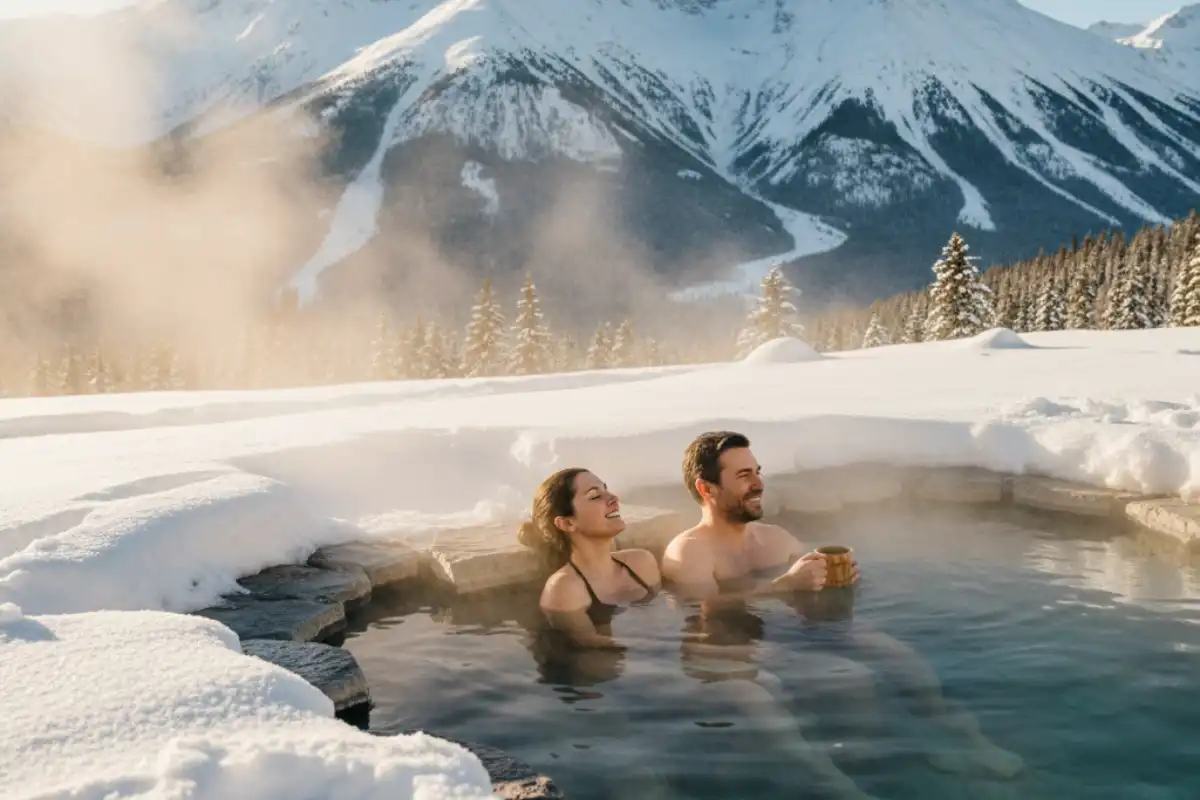
There is no greater contrast, nor a more restorative travel experience, than immersing oneself in naturally heated, mineral-rich water while surrounded by freezing winter air or snow. Winter resorts featuring hot springs perfectly blend adventure with ultimate relaxation, transforming a cold-weather trip into a spa retreat.
Global Hotspot Destinations for Thermal Bliss
Certain countries are globally famous for their abundance of natural, accessible hot springs, making them prime winter travel destinations.
1. Iceland: Geothermal Wonders (Blue Lagoon & Myvatn Nature Baths)
Iceland’s landscape is defined by its volcanic activity, resulting in dozens of incredible thermal pools. The Blue Lagoon is famous for its milky-blue, silica-rich waters, but less-touristy options offer a more intimate experience.
- **The Contrast:** Soaking in 38C water while the air temperature hovers near freezing, often with a chance of spotting the Northern Lights overhead.
- **Traveler Review:** “Skip the main crowds and head north to the Myvatn Nature Baths. It has the same spectacular blue water, but the atmosphere is quieter and more rugged. Sitting there while it snowed was the most peaceful moment of my whole trip.” (Source: Nordic Travel Forum)
2. Japan: Onsen Culture and Ryokans
Japan’s *onsen* (hot spring baths) culture is a national institution. Staying at a *ryokan* (traditional inn) with an outdoor *rotenburo* (outdoor bath) is the ultimate winter retreat.
- **Hakone & Hokkaido:** These regions are particularly well-known for their winter onsen experiences, often nestled in quiet, snow-covered mountains.
- **Cultural Tip:** Understanding the etiquette (thorough washing beforehand, communal bathing rules, and prohibition of swimwear in most traditional onsen) is essential for a respectful visit.
3. Canadian Rockies: Majestic Mountain Settings
The Banff and Kootenay National Parks in Alberta and British Columbia, respectively, feature historic, government-managed thermal pools set against staggering mountain backdrops.
- **The Draw:** Offers the therapeutic relaxation of the springs combined with world-class skiing or snowboarding during the day, making it the perfect two-part winter holiday.
Choosing Your Experience Style 🛎️
Hot spring resorts range from highly polished, luxurious spas to rustic, natural pools.
1. The Luxury Spa Retreat
These resorts (common in Iceland and parts of the US Rockies like Colorado) offer high-end amenities: robes, concierge service, private changing rooms, and sometimes in-pool bars. They prioritize comfort and pampering.
2. The Rustic Wilderness Pool
Found often in remote areas of the US, New Zealand, or South America, these springs require more effort to reach but reward visitors with untouched nature. They are often less crowded and focus purely on the healing properties of the water.
Wellness Specialist Advice: Maximizing Benefits
“Use the hot springs dynamically. Start by soaking for 10-15 minutes, then take a quick dip in the cold air or a cold pool (if available) before returning to the heat. This contrast therapy boosts circulation and is excellent for muscle recovery after a day of winter sports.” (Source: Wellness Travel Journal)
Frequently Asked Questions About Hot Springs Resorts
Are all natural hot springs safe to bathe in?
Most commercially managed springs are safe, as the water temperature and bacterial levels are monitored. However, when visiting *unmanaged* or wild springs, be cautious of temperatures (they can be scaldingly hot) and warning signs regarding cleanliness.
What is the ideal time of day to visit a winter hot spring?
Early morning (at opening) or late evening offer the best ambiance. Morning visits provide a tranquil, mist-covered view, while evening visits are perfect for relaxing under the stars or hunting for the Northern Lights (in Arctic destinations).
Why do hot springs smell like sulfur?
The characteristic “rotten egg” smell comes from high concentrations of **hydrogen sulfide** gas, which is naturally present in many geothermal waters. This sulfur is actually one of the minerals credited with providing therapeutic skin and joint benefits.
Do I need to book a ticket for famous springs like the Blue Lagoon in advance?
Yes, absolutely. High-demand, famous locations like the Blue Lagoon in Iceland require pre-booking, often several weeks or months in advance, as they limit daily visitor numbers to maintain the quality of the experience.
Can children use hot springs in winter?
Most commercial springs allow children, but supervision is essential. Due to the high temperature, it is often recommended that infants and very young children limit their time in the water, as they can overheat quickly.
Conclusion: The Ultimate Winter Indulgence 💖
A hot springs resort is the definitive answer to the question of cold-weather travel comfort. By carefully selecting a destination that merges the beauty of the winter landscape with the deep, therapeutic warmth of geothermal water, you secure a vacation that is not only visually stunning but profoundly restorative. It is the perfect reward for enduring the cold, offering a memorable blend of adventure and peaceful hydrotherapy.