Best Hiking Trails for Beginners Around the World
The call of the wild is undeniable, but if you’re new to hiking, staring up at a towering peak can feel daunting. Starting your hiking journey on the right foot literally is crucial for building confidence and a lifelong love for the outdoors. A beginner's trail should offer stunning views without requiring specialized gear, extreme fitness, or advanced navigation skills. It needs to be well-maintained, clearly marked, and generally safe. This comprehensive guide highlights some of the **best hiking trails for beginners around the world**, focusing on accessible routes that provide a perfect introduction to this rewarding activity. We'll combine recommendations from seasoned trail veterans with essential safety advice, ensuring your first few hikes are successful, safe, and truly inspiring.
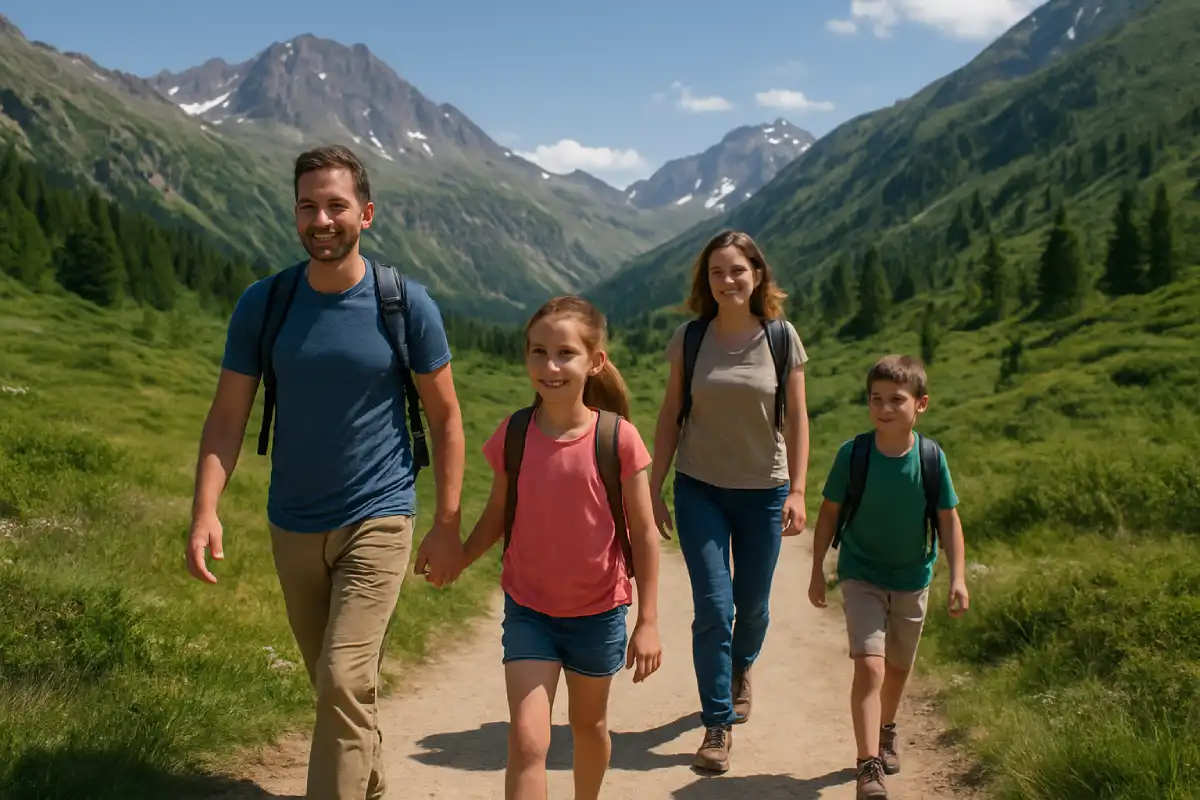
Global Beginner Trail Recommendations 🌍
From coastal walks to gentle forest paths, these trails are renowned for their accessibility and beauty.
North America: The Easy-Access Beauty
- **The Valley Trail, Banff National Park, Canada:** This trail system is a wide, paved, or packed-gravel path that connects Banff townsite with scenic areas like the Cave and Basin National Historic Site. It’s perfect for all skill levels, offers minimal elevation change, and provides stunning views of the Canadian Rockies right from the start.
- **Emerald Lake Trail, Yosemite National Park, USA:** This short (about 3.2 miles/5.1 km) loop offers iconic views of Yosemite’s granite peaks reflected in the stunning lake. The trail is mostly flat and easy to follow, making it an excellent introduction to national park hiking.
Europe: History and Coastal Views
- **The White Trail (Camí de Cavalls), Menorca, Spain:** While the full trail is long, many sections, especially along the southern coast, are relatively flat, well-marked, and offer easy, short segments with beautiful beach access. It’s a great way to combine gentle walking with Mediterranean views.
- **Loch Muick Circuit, Cairngorms National Park, Scotland:** The main 8.5-mile (13.7 km) loop around this stunning loch is mostly flat and features clear paths. It offers a taste of the Highlands’ wild beauty without the daunting ascent of a proper “Munro” (a mountain over 3,000 feet).
Asia and Oceania: Gentle Paths to Iconic Sights
- **The Fushimi Inari-taisha Hike, Kyoto, Japan:** While it involves a constant, gentle uphill climb, the entire path is made of wide, well-maintained stone steps and concrete walkways, framed by thousands of vibrant red torii gates. It’s more of a scenic stair climb than a rugged hike and can be turned around at any point.
- **The Bondi to Coogee Coastal Walk, Sydney, Australia:** This iconic 3.7-mile (6 km) paved path offers breathtaking views of the Pacific Ocean, beaches, and cliffs. It has some stairs but is generally easy and incredibly popular, making it feel very safe and well-trafficked.
Outdoor Journalist’s Tip: Emily, “Trail Life Magazine”
“New hikers often overestimate their fitness and underestimate the trail’s difficulty. My best advice is to use a dedicated hiking app like AllTrails to check the **elevation gain** before you go. A 5-mile hike with 1,000 feet of gain is vastly different from one with 200 feet. Stick to low-gain trails (under 500 feet) until you’ve built up your stamina.”
Beginner Safety and Gear Essentials 💡
Even on an easy trail, preparation is key. Having the right gear and knowledge ensures a smooth outing.
1. Navigation and Communication 🧭
Always carry a **fully charged phone**, even if you plan to disconnect. Download an offline map of the trail (via Google Maps or a hiking app) before you lose service. A paper map and compass is the traditional backup and a great skill to learn. Most importantly: **tell someone your itinerary** where you are going and when you expect to return.
2. Hydration and Nutrition 💧
For a day hike, pack more water than you think you need. A good rule is to carry about **half a liter of water for every hour of hiking**. Pack energy-rich snacks like nuts, dried fruit, and energy bars. These items are non-perishable and provide quick fuel.
3. Footwear and Clothing 👟
You don’t need expensive boots for a beginner trail, but you should have sturdy shoes with good grip (sneakers are fine for paved paths; trail runners or light hikers are better for dirt). **Avoid cotton** clothing, as it retains moisture. Opt for synthetic or wool layers that wick away sweat.
Experienced Hiker’s Advice: Juan, from a Latin American Travel Forum
“Don’t buy expensive gear right away. Start with a good pair of hiking socks not cotton! They prevent blisters, which are the number one trip-killer for beginners. Once you know you love hiking, then you can invest in the fancy boots.”
Frequently Asked Questions for New Hikers
What is the difference between an ‘easy’ and ‘moderate’ trail?
The rating often refers to the **steepness and length**. An ‘easy’ trail is typically flat or has a very gentle incline, is short (under 5 miles), and has a clear, wide path. A ‘moderate’ trail may involve sustained uphill climbs, uneven terrain (rocks, roots), and a longer distance, requiring a slightly higher fitness level.
Do I need bear spray or special animal deterrents?
It depends entirely on the region. In areas known for large wildlife (like the North American Rockies), it is highly recommended to carry bear spray and know how to use it. For most European or coastal trails, simple noise (talking, clapping) is enough to deter smaller animals. Always check local park regulations and warnings.
How do I prevent blisters on my feet?
Blisters are the plague of new hikers. The best defense is **non-cotton socks** (wool or synthetic) worn with broken-in footwear. If you feel a “hot spot” (the beginning of a blister), stop immediately and cover the area with moleskin or duct tape before it develops further.
Is it safe for a beginner to hike alone?
On short, popular, and well-maintained trails during daylight hours, it is generally safe. However, the risk increases with isolation. Always choose a well-trafficked trail, tell someone your route and timeline, and carry a basic first-aid kit. For remote or difficult trails, always hike with a partner.
What is Leave No Trace, and why is it important?
Leave No Trace (LNT) is a set of ethical principles promoting responsible outdoor recreation. The core idea is to minimize your impact. This means packing out all trash (including food scraps), staying on marked trails, and leaving natural objects (like rocks or flowers) exactly where you found them. It preserves the environment for future hikers.
Conclusion: Take the First Step
The world’s best beginner hiking trails offer more than just a physical challenge; they offer a gateway to natural beauty, fresh air, and personal accomplishment. By choosing an appropriate trail, packing the right essentials, and committing to safe practices, you’ll find that hiking is an accessible and deeply rewarding activity. Don’t let inexperience hold you back. Start with a recommended trail, listen to the advice of the community, and focus on enjoying the journey. Your next great adventure is just a few steps away.