Best Food and Drinks to Try in Spring
Spring is the culinary world’s grand reopening. After months of hearty stews and root vegetables, the palate craves the crisp, the bitter, and the bright. This season is defined by "young" ingredients — tender shoots, delicate leaves, and the first blush of berries that are only available for a few weeks each year. From the Michelin-starred kitchens of Paris to the street food stalls of Seoul, spring is a celebration of freshness. Travelers who prioritize their taste buds know that timing a trip to a specific harvest can transform a vacation into a legendary gastronomic journey. Here is your definitive guide to the essential bites and sips of spring.
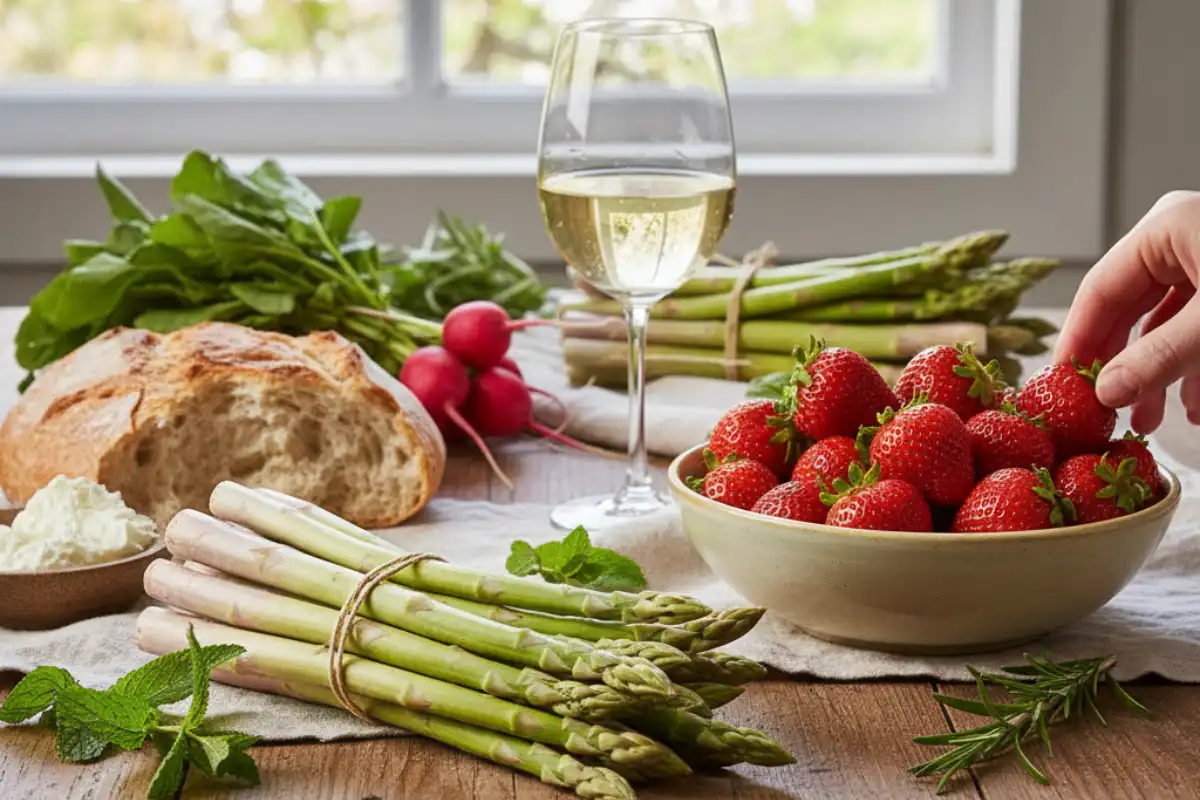
The Green Gold: Asparagus, Artichokes, and Peas
In Europe, spring is synonymous with “Spargelzeit” (Asparagus Time). While green asparagus is common, the culinary elite wait for the ivory-white variety.
- **White Asparagus (Germany/France):** Known as “edible ivory,” these stalks are grown underground to prevent photosynthesis. They are tender, nutty, and typically served with hollandaise sauce and new potatoes.
- **Artichokes (Italy):** In Rome, spring brings Carciofi alla Giudia. Deep-fried until the leaves are as crisp as potato chips, these are a staple of the Jewish Ghetto.
- **Ramps and Wild Leeks (North America):** Foraged in the forests of the Northeast, ramps offer a pungent mix of garlic and onion that captures the wild spirit of the season.
Food bloggers on Chowhound often suggest: “If you’re in Germany in May, follow the ‘Asparagus Routes’ in Baden-Württemberg. It’s a festival for the senses where every local gasthaus has a dedicated menu.”
Sweetness and Petals: Strawberries and Edible Flowers
Spring isn’t just about vegetables; it’s the beginning of the fruit cycle. The first strawberries of the season—small, intense, and deeply red—are a far cry from the watery versions found in winter.
The Sakura Palate (Japan)
Japan leads the world in seasonal branding. During the cherry blossom season, everything from mochi (rice cakes) to lattes is infused with salt-pickled sakura leaves and petals. The flavor is subtly floral with a hint of saltiness that balances the sweetness.
Insider Tip: The Rhubarb Revival
Rhubarb is often the first “fruit” (technically a vegetable) to appear in spring gardens. Travelers in the UK suggest seeking out “forced rhubarb” from the Yorkshire Triangle. Grown in the dark, it is sweeter and more vibrant pink than the outdoor variety. It is the perfect companion to spring lamb or baked into a tart with early-season honey.
Spring Libations: Crisp Wines and Botanical Gins
As the weather warms, our drinking habits shift toward high acidity and floral aromatics. Spring is the time to put away the heavy reds and embrace the “living” wines.
- **Vinho Verde (Portugal):** Translating to “green wine,” this young, slightly effervescent wine is the quintessential spring sipper. It’s light, low in alcohol, and pairs perfectly with outdoor lunches.
- **Elderflower Cordial/Gins:** The lacy white blooms of the elderberry bush appear in late spring across Europe. Infused into gins or made into syrups, they provide a lychee-like aroma that defines an English spring afternoon.
- **Matcha (Japan/Korea):** The first harvest of green tea (Shincha) occurs in spring. It is prized for its high amino acid content and vivid green color.
Frequently Asked Questions About Spring Gastronomy
Why is white asparagus so much more expensive than green?
White asparagus requires significantly more labor. It must be hand-harvested just as the tip breaks the soil. The mounds of earth covering the stalks must be carefully maintained to keep the plants in the dark, ensuring they remain white and tender.
Can you eat cherry blossoms raw?
While not toxic, raw cherry blossoms don’t have much flavor. They are traditionally pickled in salt and plum vinegar to release their coumarin content, which gives them their signature “cherry” aroma and taste.
What is “Spring Lamb” and why is it special?
Spring lamb refers to young lambs (3-5 months old) that have primarily grazed on the lush, new grass of spring. This results in meat that is exceptionally tender, lean, and has a much milder flavor than mutton or older lamb.
Are there any spring food festivals worth traveling for?
Absolutely. The Beelitz Asparagus Festival in Germany, the Cooper’s Hill Cheese-Rolling in England (late spring), and the various Strawberry Festivals in Florida and California are highlights for any food traveler.
How can I tell if spring produce is truly fresh at a market?
Look for “squeak.” Fresh asparagus should squeak when the stalks are rubbed together. Peas should feel heavy for their size and have a bright green, non-waxy skin. If the greens look wilted at the edges, they’ve likely been sitting out too long.
Conclusion: A Toast to the New Season 🍷🌸
Spring dining is an act of presence. Because these ingredients—the fiddlehead ferns, the soft-shell crabs, the wild garlic—are so short-lived, eating them feels like a celebration of the “now.” By following the harvests and visiting local farmers’ markets on your travels, you don’t just eat; you participate in the cycle of the land. So, whether you’re peeling a stalk of white Spargel or sipping a chilled glass of Vinho Verde, take a moment to savor the fleeting, bright brilliance of spring.