Best fondue spots in the Alps
Fondue is more than just melted cheese; it is the culinary heart of the Alps. Born out of necessity to use hardened cheese and stale bread during the long winter months, it has evolved into a beloved, communal dining experience. For travelers hitting the slopes or seeking winter comfort, finding a truly authentic, cozy, and high-quality **fondue spot** is essential.
The Three Alpine Pillars of Fondue
The style of fondue changes significantly across the French, Swiss, and Italian Alps, reflecting local cheese production and traditions.
1. Swiss Fondue (Neuchâteloise & Moitié-Moitié) 🇨🇭
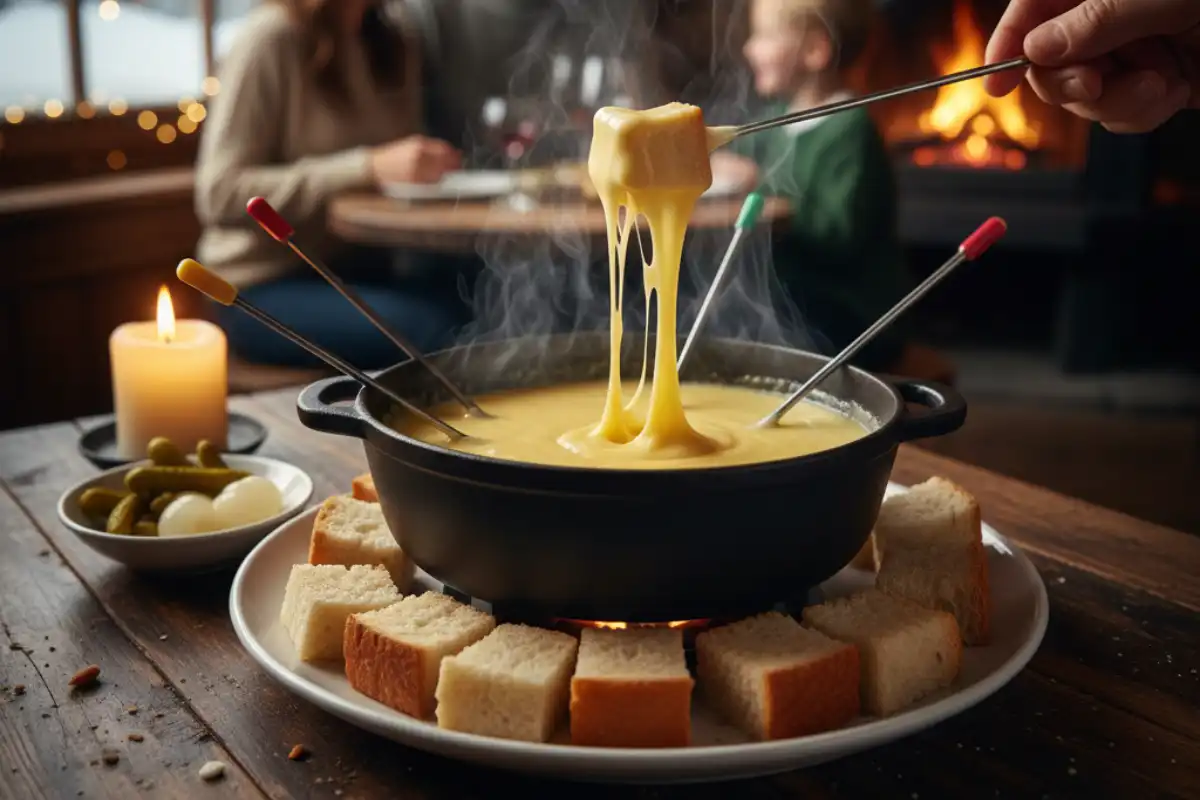
Switzerland considers fondue its national dish. The classic mixture, *moitié-moitié* (half-half), uses Gruyère and Vacherin Fribourgeois. It is typically flavored with garlic, dry white wine, and a dash of kirsch (cherry brandy).
- **The Quintessential Spot:** Look for small, family-run *chalets* in towns like **Zermatt** or **Gstaad**. These typically use locally aged cheeses which give the fondue a nuttier, more complex flavor.
- **Traveler Tip:** “The true Swiss experience is the *caquelon* (fondue pot) developing a crusty layer (*la religieuse* or the nun) at the bottom. The best spots scrape this off and share it. If they don’t, you know it’s a tourist trap.” (Source: Swiss Alps Travel Magazine)
2. French Fondue (Savoyarde) 🇫🇷
In the French Alps (Savoy and Haute-Savoie), the fondue *Savoyarde* is the standard. It uses a blend of three local cheeses: Comté, Beaufort, and Abondance. This gives it a slightly stronger, more earthy taste than the Swiss version.
- **Best Location:** **Chamonix** or **Courchevel**. Seek out restaurants that offer a variety of dipping options beyond just bread, such as potatoes, cornichons, and cured meats (*charcuterie*).
3. Italian Fondue (Fonduta Valdostana) 🇮🇹
Found primarily in the Aosta Valley (Valle d’Aosta), *Fonduta* differs significantly. It is made primarily from **Fontina cheese**, mixed with milk and egg yolks, giving it a rich, silky texture more like a creamy sauce than a thick paste. It’s often served over grilled polenta or bread.
- **Recommended Experience:** Visit restaurants in **Courmayeur** or **Cervinia** where *fonduta* is served as a starter or alongside other heavy mountain fare.
How to Spot an Authentic Fondue Restaurant
A great fondue experience relies on atmosphere, quality ingredients, and traditional preparation.
1. Focus on Atmosphere and Location
- **Look for Wood:** The best places feature dark wood beams, worn tables, and a pervasive smell of cheese and wood smoke. Avoid overly modern or brightly lit places.
- **The High-Altitude Hack:** Look for *refuges* or *cabanes* (mountain huts) accessible only via a short ski run or snowshoe hike. The journey makes the cheesy reward taste even better.
2. Ingredient Transparency
- **Ask About the Cheese:** A top-tier restaurant will know the precise origin and age of the cheeses used. If they use generic “Swiss cheese mix,” move on. Genuine Alpine spots use *Alpage* cheese (made in summer high up in the mountains) for superior flavor.
Sommelier’s Pairing Tip: The White Wine Rule
“The most important rule for fondue is what you drink *with* it. The traditional drink is the same dry, crisp white wine used in the fondue itself (e.g., Fendant or Savagnin). Drinking cold water or sugary drinks can cause the cheese mass to solidify in your stomach, leading to digestive issues. If you must drink something cold, try a shot of Kirsch.” (Source: Alpine Gastronomy Review)
Frequently Asked Questions About Alpine Fondue
What is the punishment for dropping my bread in the fondue?
This is a classic fondue tradition! The “punishment” varies by region and group, but typically involves buying the next round of drinks, sharing a kiss with the person next to you, or performing a silly dare. It’s all in good fun and part of the communal experience.
Are there non-cheese fondue options in the Alps?
Yes. Many places also offer *Fondue Bourguignonne* (meat cubes cooked in hot oil) or *Fondue Chinoise* (thin meat slices cooked in hot broth), often served with various dipping sauces. For dessert, look for chocolate fondue!
What makes the cheese in Alpine fondue different?
Alpine cheeses like Gruyère and Beaufort are made from the milk of cows grazing on high mountain meadows (*alpage*). This diet gives the milk—and therefore the cheese unique, complex floral and herbal notes that are essential to the rich, authentic flavor profile of traditional fondue.
Is it possible to have fondue for lunch?
Absolutely. Many mountain *refuges* (huts) serve fondue for lunch, often starting right after the morning ski session. However, be prepared for a heavy, potentially drowsy afternoon, as fondue is very rich and calorie-dense.
Why is baking soda sometimes added to fondue?
A tiny amount of baking soda (sodium bicarbonate) is sometimes added near the end of the cooking process. It helps to keep the cheese emulsion stable and smooth, preventing the mixture from separating or becoming stringy due to the high fat content and acidity of the wine.
Conclusion: The Ultimate Winter Reward 🏆
Searching for the best fondue in the Alps is an adventure in itself, leading you off the main streets and into the cozy, wooden heart of mountain culture. Whether you prefer the nutty silkiness of Swiss Gruyère, the robust triple-cheese French blend, or the creamy, egg-enriched Italian *fonduta*, the experience is the ultimate reward after a cold day. Choose authenticity over convenience, and you will find an unforgettable taste of Alpine tradition.