Best Beaches in Cape Town for Swimming & Surfing
From the warm waters of Muizenberg to the cool, pristine shores of Clifton, Cape Town’s beaches offer something for every traveler. This 2025 guide helps you navigate the city's coastline, with practical tips on budget-friendly travel, safety, and a look at the best spots for both relaxation and adventure.

A Guide to Cape Town’s Stunning Coastline
Cape Town is a city where urban life meets breathtaking natural beauty, and nowhere is this more apparent than on its diverse coastline. The city is flanked by two oceans: the colder Atlantic on the west and the warmer Indian Ocean on the east. This unique geography means you can find everything from world-class surfing waves to calm, sun-drenched coves. This guide will help you discover the best beaches, while also providing crucial information on how to travel affordably and safely in this incredible city.
The Best Beaches for Your Trip
Choosing a beach in Cape Town depends on what you’re looking for. Here are a few top picks for different activities:
For Swimming and Sunbathing:
- Clifton Beaches (1st, 2nd, 3rd, and 4th): These are some of the most famous beaches in the city. Tucked away in a series of coves, they are well-protected from the strong summer winds (the “Cape Doctor”). The water here is cold but crystal clear, and the atmosphere is a mix of trendy and relaxed. They are perfect for a quiet day of sunbathing.
- Camps Bay: Just next to Clifton, Camps Bay offers a wide, sandy beach with a stunning backdrop of the Twelve Apostles mountain range. The water is cold, but the vibe is buzzing, with a promenade lined with restaurants and bars.
For Surfing:
- Muizenberg: Located on the Indian Ocean side, Muizenberg is the undisputed home of surfing in Cape Town. The water is much warmer, and the waves are gentle and consistent, making it the perfect spot for beginners. You can easily rent boards and wetsuits and take lessons here.
- Llandudno: For more experienced surfers, Llandudno offers a challenging reef break with powerful waves. It’s a beautiful, secluded beach, but the water is cold and there are no shops or facilities, so come prepared.
1. The Cost of a Bed: Budget-Friendly Accommodation
Cape Town offers a wide range of accommodation options, with hostels and guesthouses providing excellent value for budget travelers. The price varies depending on the area, but you can find a comfortable bed without spending a fortune.
Hostel & Budget Accommodation Prices by Area (Average per night for a dorm bed, August 2025)
| Area | Description | Average Price (USD/night) | Pros for Budget Travelers |
|---|---|---|---|
| City Centre / Gardens | The central hub, with a mix of history and modern nightlife. | $15 – $30 | Very convenient, walkable to many sights, lively social scene. |
| Woodstock / Observatory | Hip, artistic, and bohemian districts. | $10 – $25 | Excellent value, authentic local feel, great for art and food lovers. |
| Sea Point / Green Point | Coastal suburbs near the city center. | $15 – $35 | Great views, safe walking areas, close to beaches. |
| Muizenberg / Kalk Bay | Coastal suburbs on the warmer False Bay side. | $10 – $25 | Perfect for surfers and beach lovers, relaxed vibe, very affordable. |
Note: Prices are estimates for a dorm bed and are subject to fluctuation based on season and demand. Private rooms will be 2-3x more expensive.
Tips for Saving on Accommodation:
- Stay Outside the Immediate City Centre: Neighborhoods like Woodstock, Observatory, or Muizenberg offer lower prices and a more local experience, while still being well-connected.
- Book Off-Season: Traveling during the winter months (June-August) will give you the lowest prices, but be prepared for cooler, rainier weather.
- Check for Guest Kitchens: Many hostels and guesthouses have shared kitchens, allowing you to cook your own meals and save money.
2. Eating on a Dime: Cape Town’s Budget Food Scene
Cape Town is a culinary melting pot, and you can find delicious and diverse food at very reasonable prices. Avoid fancy restaurants and seek out local spots, street food, and supermarkets.
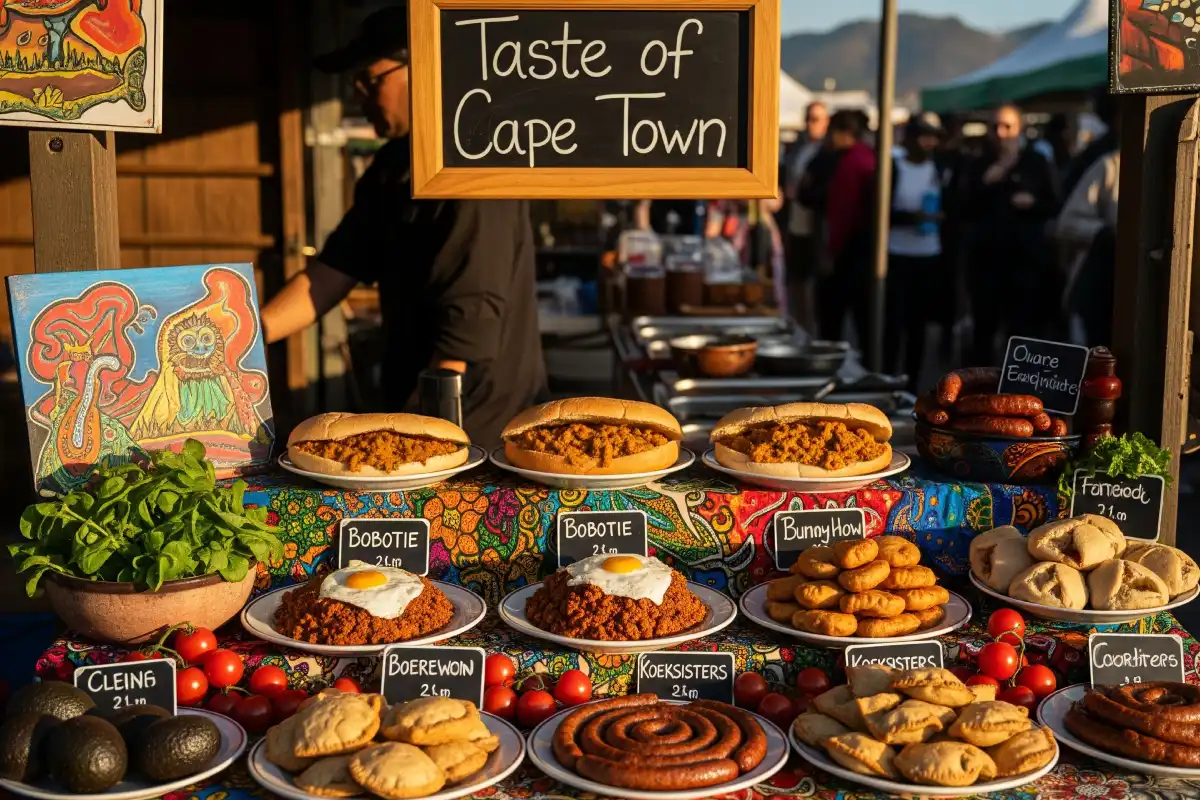
Estimated Budget Food Costs (August 2025):
- Breakfast: R50 – R100 ($2.70 – $5.50) for coffee and a pastry or a simple breakfast roll.
- Lunch: R80 – R150 ($4.50 – $8.50) for a takeaway from a food market, a “Gatsby” sandwich, or a meal at a casual cafe.
- Dinner: R150 – R250 ($8.50 – $14) for a meal at a local restaurant or a takeaway.
- Daily Budget for Food: R250 – R450 ($14 – $25) if you stick to budget-friendly options.
Budget Eating Tips:
- Try a “Gatsby”: This is a massive, legendary local sandwich filled with a variety of ingredients. It’s cheap, delicious, and can easily feed two people.
- Visit the Old Biscuit Mill: While some food stalls can be pricey, the Neighbourgoods Market on Saturdays is a vibrant place to try different local foods at a reasonable cost.
- Cook Your Own Meals: Supermarkets like Pick n Pay or Checkers are great places to stock up on groceries. This is the ultimate way to save money on food.
3. Getting Around: The Cost of Public Transit
Cape Town’s public transport system is not as extensive as in major European cities, but there are options for budget travelers. The MyCiTi bus system is the most reliable and affordable way to get around the city centre and to key attractions. A MyCiTi card is required to use the service.
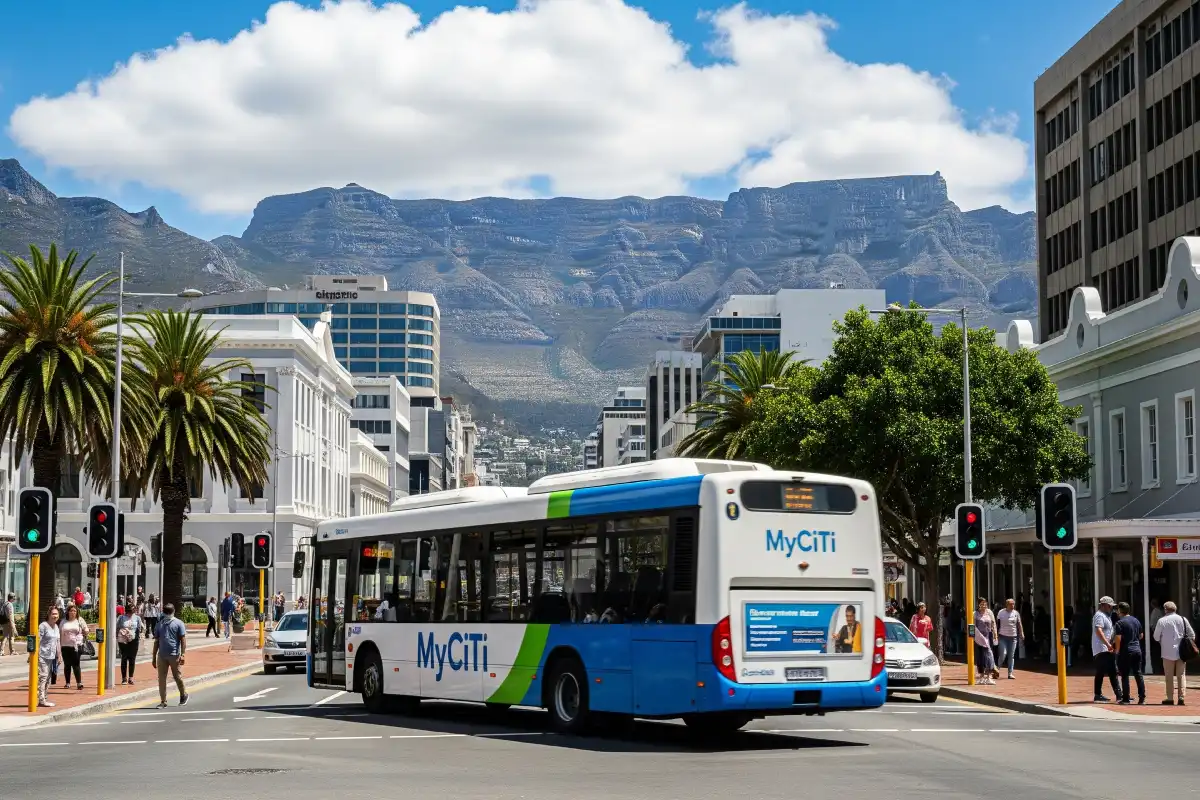
Fares (As of August 2025, subject to minor changes):
- MyCiTi Card: You must purchase a MyCiTi card for R35 ($1.90) and load it with credit.
- Bus Fares: Fares are distance-based, ranging from R8 to R25 ($0.45 – $1.40) per trip.
- Uber/Bolt: Ride-hailing apps are very popular, safe, and generally much cheaper than traditional taxis. They are an essential part of getting around, especially at night.
Tips for Transportation:
- Plan Ahead: The MyCiTi bus system is great, but its routes are limited. Check the routes online to see if they cover your desired destinations.
- Use Ride-Hailing Apps: For safety and convenience, especially when traveling to or from suburbs or at night, Uber or Bolt are highly recommended.
- Consider a Hop-On Hop-Off Bus: For seeing the main sights, the City Sightseeing bus is a good option. While not the cheapest, it offers a safe and convenient way to see all the major attractions.
4. Staying Safe: Dangers, Scams, and Avoiding Trouble
Safety is a common concern for travelers to Cape Town. While the city has high crime rates in certain areas, the main tourist zones are generally safe during the day. However, it’s crucial to be aware of your surroundings and take precautions, especially at night.
Common Dangers & Scams:
- Pickpocketing: This is the most common crime against tourists. Be vigilant in crowded areas like Long Street, public transport, and the V&A Waterfront.
- Petty Theft: Do not leave valuables unattended on the beach or in your car. Car break-ins are common, so never leave anything visible in your vehicle.
- ATM Scams: Use ATMs inside banks or shopping centers. Be cautious of anyone who offers to “help” you with the machine.
Areas to Be Cautious Of:
- The City Centre at Night: While some areas like Long Street are lively, it’s best to use a ride-hailing app rather than walking alone at night.
- Townships: The townships (like Khayelitsha or Gugulethu) are generally not safe for tourists to visit on their own. If you want to experience township life, book a reputable, guided tour.
General Safety Advice:
- Don’t Walk Alone at Night: Use a taxi or Uber/Bolt, especially in the city centre.
- Be Aware of Your Surroundings: Pay attention to who is around you, especially in crowded or less-traveled areas.
- Lock Your Doors: Always keep your car doors locked, even when driving.
- Emergency Numbers: Police 10111, Ambulance 10177.
5. Ensuring a Positive & Unforgettable Cape Town Trip
A positive mindset and an appreciation for the city’s beauty will make your trip truly special.

- Embrace the Outdoors: Cape Town’s natural beauty is its biggest draw. Hike up Table Mountain (or take the cable car), explore Kirstenbosch Gardens, and, of course, spend a day at the beach.
- Connect with Locals: South Africans are known for their hospitality. Talk to people at your hostel, at a local bar, or at a cafe. They can offer great local tips and insights.
- Visit the Markets: The city’s markets, like the Neighbourgoods Market or the Oranjezicht City Farm Market, are fantastic places to experience the local culture and food.
- Be Patient and Friendly: A little patience and a friendly attitude will go a long way. The locals are generally very welcoming and will appreciate your effort.
- Respect the Culture: South Africa has a complex history. Be open to learning about it and respectful of the country’s diversity.
6. Cape Town Travel FAQs (August 2025)
Is it safe to swim in the ocean in Cape Town?
Yes, it is generally safe to swim in Cape Town’s beaches. Lifeguards are present on most popular beaches during the summer. The water on the Atlantic side (Clifton, Camps Bay) is very cold, while the False Bay side (Muizenberg) is much warmer.
Do I need to worry about sharks at Muizenberg?
Muizenberg has a Shark Spotters program where trained spotters on the mountain alert lifeguards and beachgoers if a shark is sighted. This makes it one of the safest places in the world to surf and swim. Just pay attention to the flags and signs.
How can I get to the beaches without a car?
The MyCiTi bus system connects the city center to beaches like Clifton and Camps Bay. For beaches further out like Muizenberg, you can take a suburban train (Metrorail) or a ride-hailing app like Uber or Bolt.
Is it safe to walk around Cape Town at night?
It is generally not recommended to walk around the city at night, especially alone. The safest and most common way to get around after dark is by using a reputable ride-hailing app like Uber or Bolt.
What is the best way to pay for things in Cape Town?
Credit and debit cards are widely accepted at most shops, restaurants, and hotels. However, it’s a good idea to carry some cash (South African Rand) for small purchases at markets or street food stalls.
Your Cape Town Beach Adventure Awaits!
With its stunning natural scenery and vibrant culture, Cape Town is a paradise for beach lovers and adventurers. By following these tips, you can enjoy the city’s best beaches and unique atmosphere with confidence and on a budget. Enjoy your trip!
Start Planning Your Cape Town Trip