Beirut in 48 Hours: A City of Contrasts and Creativity
Beirut, a city eternally rebuilding, pulses with an energy that is both exhilarating and poignant. In just 48 hours, you can trace the scars of its history alongside the explosion of its modern creativity. From the upscale boutiques of Downtown to the gritty, artistic vibe of Mar Mikhael, this guide provides the essential, budget-focused roadmap to experience the best of the 'Paris of the Middle East,' covering costs, transport, and critical safety advice for 2025.
Your 48-Hour Must-See Itinerary
Focus your two days on connecting Beirut’s key districts the historical core, the nightlife hubs, and the seaside promenade.
Day 1: History, Resilience & Nightlife
- Morning: Downtown & Martyrs’ Square: See the contrast of the rebuilt Ottoman-era architecture and the damaged buildings near the port, a poignant reminder of the 2020 blast. **(Free)**.
- Afternoon: Hamra District: Explore the traditional academic and commercial hub. It’s perfect for budget lunch spots, bookshops, and finding affordable hotels.
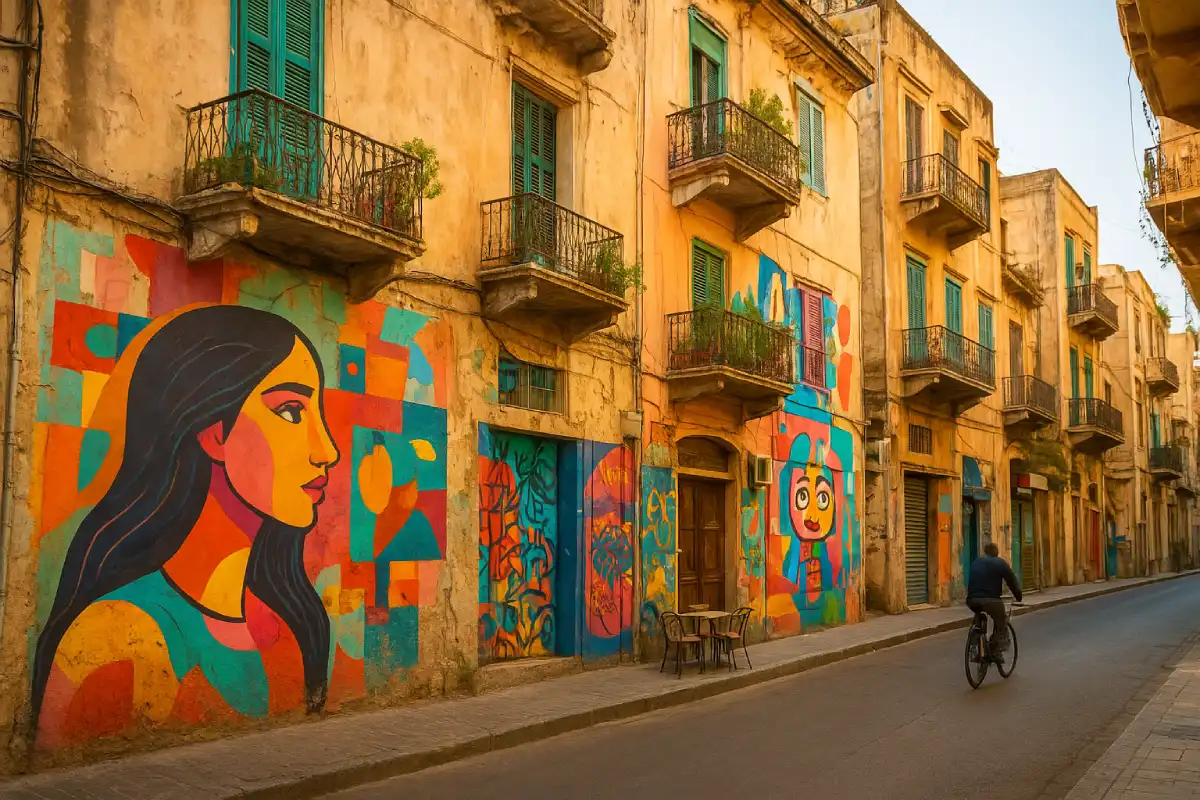
- Evening: Mar Mikhael / Gemmayzeh: Walk through the street art and damaged buildings that now house hip bars, restaurants, and galleries. This is the heart of Beirut’s creative revival and nightlife.
Day 2: Culture, Coast & Calm
- Morning: Raouché (Pigeon Rocks): Head to the coast for a walk along the *Corniche* (seaside promenade) and take photos of the iconic natural rock formations. **(Free)**.
- Afternoon: American University of Beirut (AUB) Campus: Stroll through the beautiful, historic seaside campus (if accessible) or visit the **AUB Museum** for Phoenician artifacts. **(Low Fee)**.
- Late Afternoon: National Museum of Beirut: Essential for understanding Lebanon’s ancient history, from the Bronze Age to the Mamluk period.
1. The Cost of Stay: Budget-Friendly Accommodation (2025)
Due to the economic crisis and currency fluctuations, accommodation prices can be complex. Hostels often charge in **USD** to maintain value. Focus on areas known for universities and tourism for the best budget options.
Hostel & Budget Accommodation Prices by Area (Average per night for a dorm bed, October 2025)
| Area / District | Description | Average Price (USD/night) | Pros for Budget Travelers |
|---|---|---|---|
| Hamra | Academic and commercial hub; central location; plenty of cheap food and services. | $10 – $18 | Best connectivity and daily necessities. |
| Mar Mikhael / Gemmayzeh | Nightlife and artistic district; excellent social scene but can be noisy. | $12 – $22 | Close to bars, art, and the port area. |
| Bourj Hammoud (Armenian Quarter) | Further from the centre, dense; offers a more local, highly cultural experience. | $8 – $15 | Lowest prices, excellent local food markets. |
Note: Prices are highly volatile and almost universally quoted in USD. $1 USD is the effective market rate for LBP (Lebanese Pound) in 2025. Expect to pay in **USD cash** for accommodation.
Tips for Saving on Accommodation:
- Book Early in USD: Lock in prices online with a Hostelworld or Booking.com deposit. The price will be less volatile than paying with LBP upon arrival.
- Look for Hamra: Hamra has the highest concentration of affordable dorms and older, inexpensive hotels.
2. Budget Food Costs: Taste the Levant Cheaply
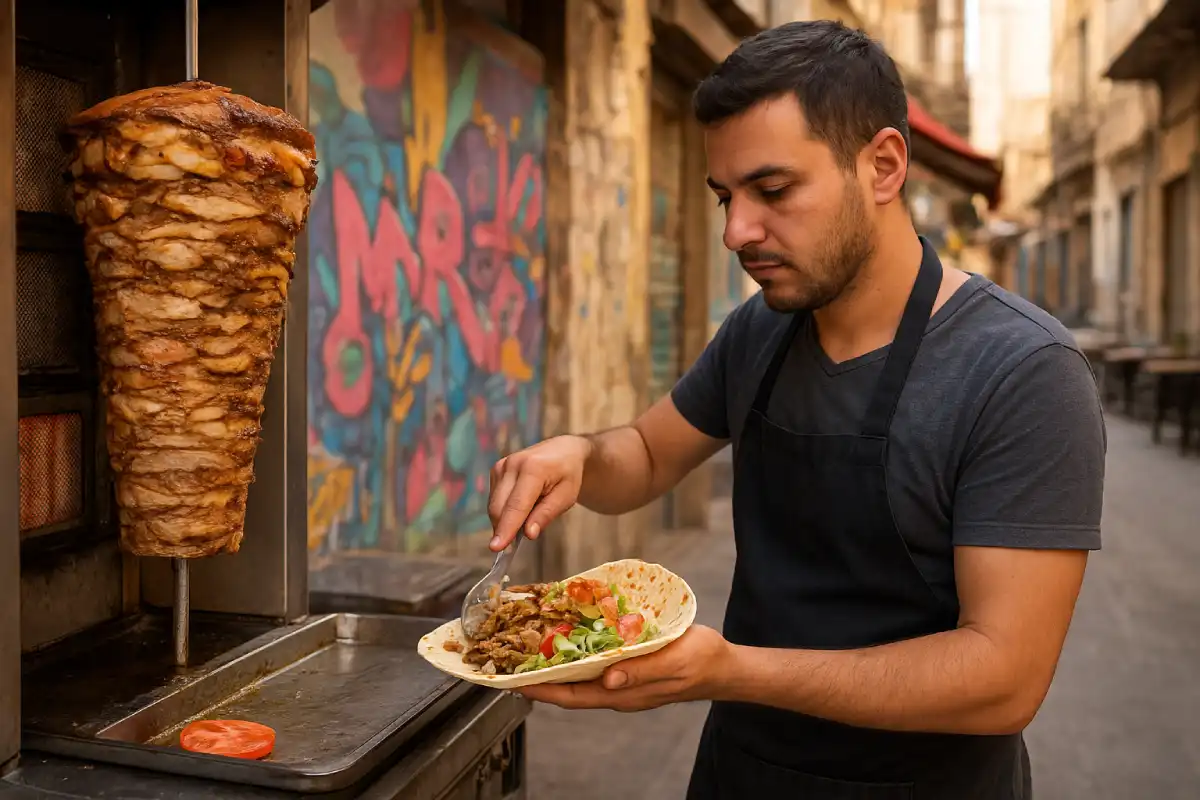
Beirut’s street food is legendary and offers the best value. You can eat incredibly well for a minimal daily budget by sticking to local joints and famous street vendors.
Estimated Budget Food Costs (October 2025):
- Man’oushe (Breakfast Flatbread): $1.50 – $3.00 USD (The budget staple).
- Shawarma (Lunch/Dinner): $3.50 – $6.00 USD (Varies widely depending on size and vendor).
- Falafel/Kafta Sandwich: $2.00 – $4.00 USD.
- Mezze plate (Local Restaurant): $8.00 – $15.00 USD (A sit-down meal, best split with others).
- Daily Budget for Food: $10 – $18 USD is sufficient for a comfortable budget traveler focusing on street food.
Budget Eating Tips:
- Master the Basics: Live off **Man’oushe** (thyme/cheese flatbread), **Falafel**, and **Shawarma**.
- Visit Local Bakeries: Bakeries (often called *Furn* or *Forn*) are where you find the cheapest and freshest Man’oushe.
3. Getting Around: The Cost of Public Transit
Beirut’s public transport is informal but highly affordable. The city lacks a metro or formal bus schedule, relying on shared taxis and buses.
Fares (As of October 2025):
- Service Taxi (Shared Taxi): **The best option.** For a trip along a common route (e.g., Hamra to Downtown), it costs around **$1 – $3 USD** per person. Always confirm the price and that you want a “service” *before* getting in.
- Regular Taxi (Private): Highly negotiable and much more expensive. Expect to pay $5 – $15 USD for a short ride. **Do not use without agreeing on the price first.**
- Small Minibuses/Vans: Very cheap—often less than **$0.50 – $1.00 USD** for a ride. They travel fixed routes, but knowing the route requires asking locals or following a map.
- Ride-Sharing Apps (e.g., Bolt, Uber): Recommended for safety and transparent pricing, especially at night. A typical 15-minute ride will cost $4 – $8 USD.
Tips for Transportation:
- Learn to Say “Service”: When hailing a taxi, explicitly ask for a “Service.” This indicates you are willing to share the taxi with others for the fixed, lower price. If they don’t say “Service,” they will charge the higher, private rate.
- Walk Everywhere Possible: Many of Beirut’s key districts (Hamra, Mar Mikhael, Downtown) are highly walkable, and walking is the best way to appreciate the street art and atmosphere.
4. Staying Safe: Security, Scams, and Areas of Caution
Beirut is a city of high resilience, but also political and economic volatility. Tourists should be primarily concerned with petty crime and financial safety, while remaining aware of the geopolitical situation.
Common Security & Scams:
- The Currency Scam: **The biggest threat.** Due to the economic crisis, the value of the LBP fluctuates wildly. **Always pay in fresh USD cash** for high-value items (hotels, tours). Never accept LBP notes you haven’t exchanged at the *official* market rate. Be clear on whether the price is in USD or LBP.
- Taxi Overcharging: The most common tourist scam. If you don’t agree on a price in advance, expect to be significantly overcharged. **Use apps (Bolt) or ‘Service’ taxis.**
- Petty Theft: In crowded areas like Downtown, the *Corniche*, or busy marketplaces (like Borj Hammoud), be vigilant about pickpocketing. Keep phones secured.
Areas to Be Cautious Of:
- Avoid Political Gatherings: Spontaneous demonstrations can happen. Avoid Martyrs’ Square and any large, unplanned crowds or road closures.
- The Southern Suburbs (Dahieh): Generally regarded as politically sensitive areas, and tourists are strongly advised to avoid them unless accompanied by a local guide.
- The Port Area: While necessary to see the blast damage, stay vigilant and respect any restricted access areas.
General Safety Advice:
- Carry USD Cash: Bring small bills ($5, $10, $20) of crisp, clean USD. These are accepted everywhere and valued more than LBP.
- Respect Local Sensibilities: Dress moderately when visiting religious sites. While Beirut is liberal, discretion is always advised.
5. Tips for a Positive & Rewarding Beirut Experience ✨
Embrace the chaotic energy, the world-class food, and the incredible hospitality—these are what make Beirut unforgettable.
- Embrace the *Kaak*: Try the large, oval, sesame-crusted bread rings sold by street vendors often filled with cheese or Za’atar. It’s an easy, tasty snack.
- Connect with Locals: Lebanese people are highly engaging, speak excellent English (and often French), and are eager to share their city. Ask for recommendations for the best hidden food spots.
- Take a Free Walking Tour: Look for free or tip-based walking tours that often focus on the history of the civil war and the 2020 blast. This provides crucial context for the city’s current landscape.
- Visit a Rooftop Bar: Even on a budget, treating yourself to one drink at a rooftop bar in Gemmayzeh or Mar Mikhael offers spectacular views of the illuminated city and a chance to experience the famous nightlife.
6. Beirut Travel FAQs (October 2025)
What currency should I use for transactions?
Use crisp **USD cash** for all expenses, especially hotels, restaurants, and tours. LBP is used for small transactions like street food, but always confirm the USD equivalent before paying.
Is there an easy way to get from Beirut Airport (BEY) to the city?
The cheapest way is the informal airport shuttle or minibus, but it can be confusing. The safest and easiest way is a pre-booked airport taxi or an app-based ride (Uber/Bolt), costing around $15–$25 USD, depending on the current situation.
What is the local language, and is English widely spoken?
The official language is Arabic, but **English** and **French** are very widely spoken, especially in Beirut. You will have no problem communicating with nearly everyone in the tourism and service sectors.
What is the tipping culture in Beirut?
Tipping (*baksheesh*) is expected and important, especially given the economic crisis. Tip small amounts for services and aim for **5-10%** in restaurants (in USD is preferred) unless a service charge is included.
Is it safe to drink the tap water?
No. **Do not drink the tap water.** Always use bottled water for drinking, even in hotels. Water is very inexpensive and widely available.
Do I need an entry visa for Lebanon?
Many nationalities can receive a **free visa on arrival** at Beirut International Airport (BEY). However, verify the current requirements based on your passport well in advance of travel.
Ready to Embrace the Phoenix City?
Beirut is waiting to be discovered, its contrasts providing a travel experience unlike any other. Plan smart, travel safe, and enjoy the resilient spirit!
Explore More of Lebanon