Bahamas: Paradise Islands
The Bahamas, an archipelago of over 700 islands and cays, remains the ultimate tropical escape for 2026. While the glittering mega-resorts of Nassau and Paradise Island draw the crowds, a new wave of travelers is heading to the "Out Islands" for untouched pink sands and authentic Bahamian culture. This guide, compiled from the latest traveler reviews and local insights, breaks down how to navigate this Caribbean paradise balancing the high-octane luxury of New Providence with the serene, budget-friendly adventures found in Eleuthera and the Exumas.
1. Island Lodging: From Luxury Atolls to Local Guesthouses (2026)
Accommodations in the Bahamas vary drastically depending on which island you call home. Nassau is the hub of high-end resorts, while the Out Islands offer a more intimate, laid-back experience at a variety of price points.
Estimated Accommodation Prices by Island (Average per night, May 2026) – All Prices in USD ($)
| Island / Region | Description | Average Price (USD/night) | Traveler Vibe |
|---|---|---|---|
| **Nassau & Paradise Island** | Home to Atlantis and Baha Mar. High-energy, luxury-focused, and accessible. | **$250 – $600+** (Resort / Luxury Condo) | Families and luxury seekers; everything is at your doorstep. |
| **Eleuthera / Harbour Island** | Known for pink sand beaches and boutique “barefoot luxury” cottages. | **$150 – $350** (Boutique Inn / AirBnB) | **The “In” Spot:** Sophisticated yet quiet; perfect for couples and explorers. |
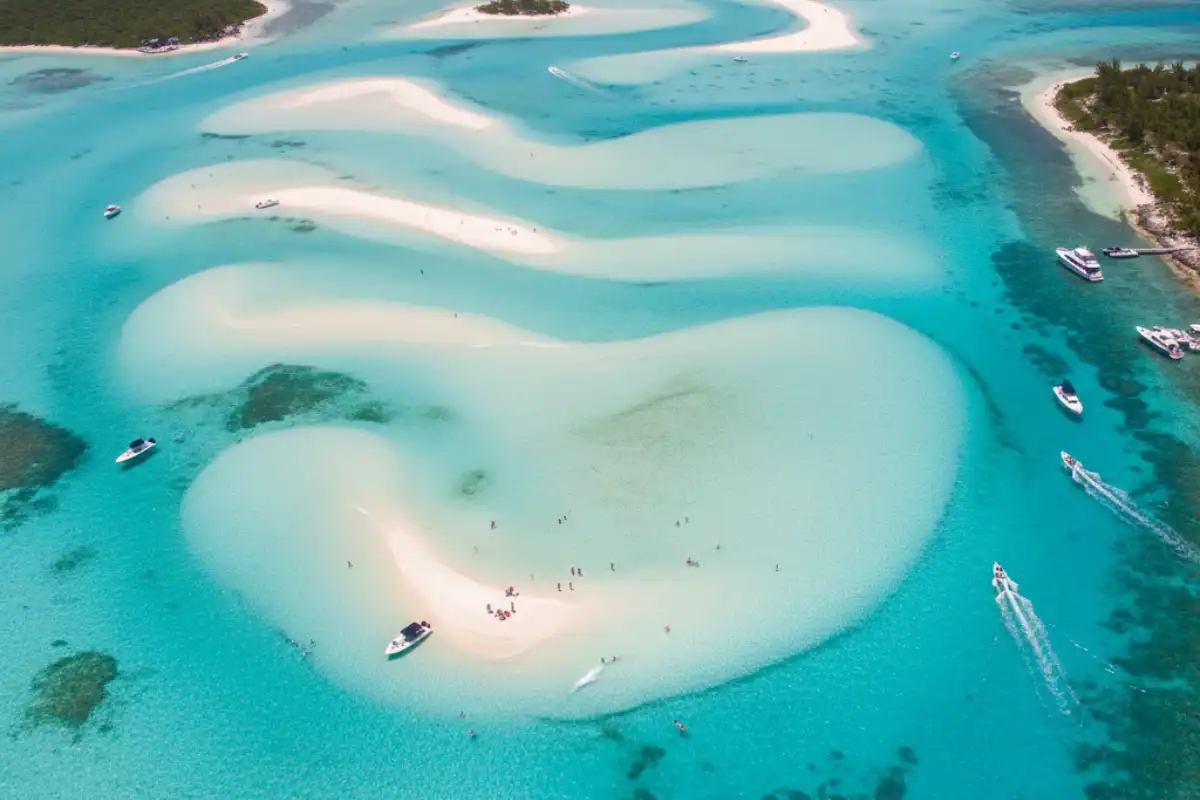
| **The Exumas (George Town)** | The gateway to the swimming pigs and the 365 cays. | **$120 – $280** (Local Guesthouse / Rental) | Adventure and nature lovers; best access to water excursions. |
2. Bahamian Flavors: Conch Salads and Fish Fries
The Bahamas is a culinary delight, but because most goods are imported, restaurant prices can be steep. Frequent visitors recommend the “Fish Fry” culture for authentic, affordable meals that outperform expensive hotel dining.
Estimated Budget Food Costs (May 2026)
- **Street Food (Conch Salad/Fritters):** $12 – $18 (Freshly made in front of you; the national dish and a must-try).
- **Arawak Cay “Fish Fry” Meal:** $25 – $40 (A generous plate of snapper or grouper with peas ‘n rice and mac ‘n cheese).
- **Supermarket Groceries:** $50 – $80 (Weekly essentials for one; expect prices to be 25-50% higher than the US mainland).
- **The “Service Charge” Note:** Most Bahamian restaurants automatically include a 15% service charge always check your bill before adding an extra tip.
- **Estimated Daily Budget for Food:** $60 – $90.
3. Island Adventures: Pigs, Sharks, and Blue Holes
The Bahamas is defined by its water. While lounging on the beach is free, the most iconic experiences require taking to the sea.
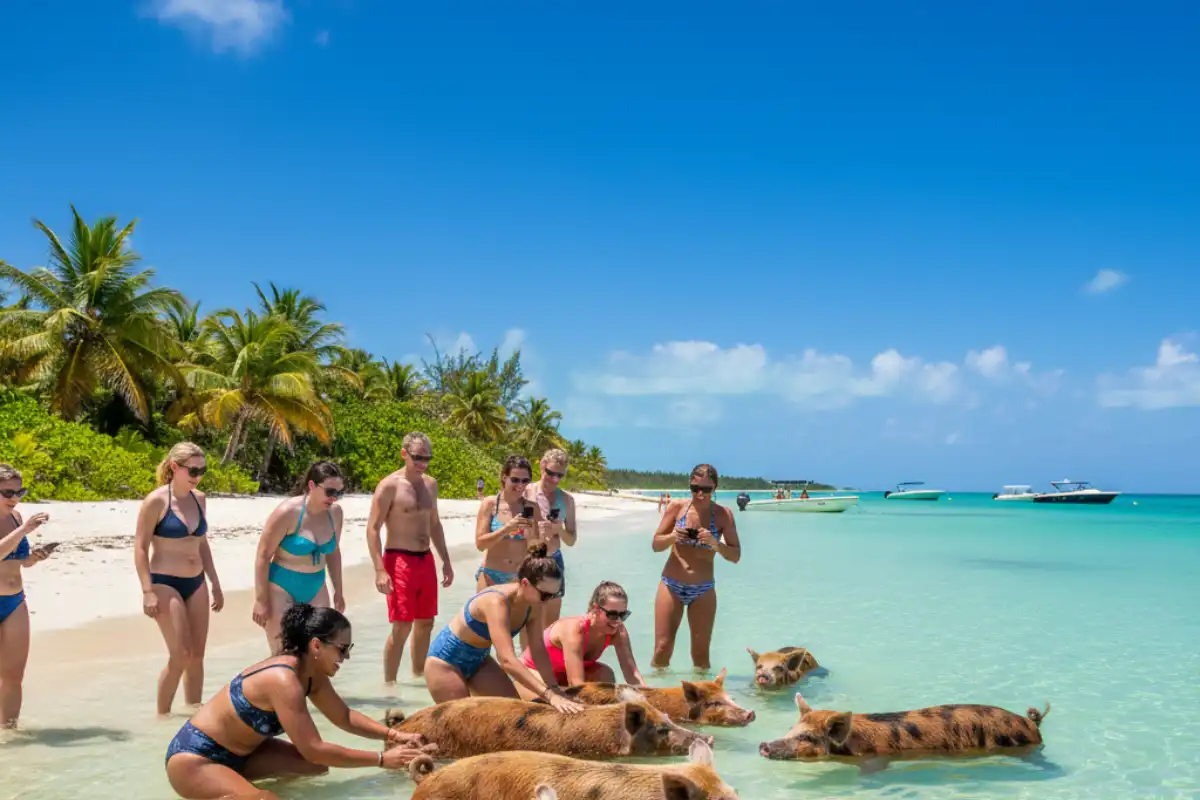
- **Exuma Day Trip (from Nassau):** **$350 – $500**. (Expensive, but includes flights/powerboat, swimming with pigs, nurse sharks, and iguanas).
- **Blue Hole Diving (Andros):** **$150 – $250**. (Explore the deepest underwater caves in the world on the largest, least-developed island).
- **Junkanoo Museum (Nassau):** **$10 – $15**. (A budget-friendly way to dive into the vibrant history of the Bahamas’ most famous festival).
- **Snorkeling at Dean’s Blue Hole:** **Free/Low Cost**. (Located on Long Island, it is one of the world’s deepest blue holes and accessible from the shore).
4. Island Hopping: Navigating the Archipelago
Transportation in the Bahamas is split between the “Jitney” buses in Nassau and the “Mail Boats” or local flights for island hopping.
Essential Transport for Tourists:
- **The Jitney (Nassau):** These colorful local buses cost only **$1.50 – $2.50** per ride. They are the most efficient way to get from downtown to Cable Beach.
- **Inter-Island Flights (Bahamasair/Western Air):** Expect to pay **$120 – $200** round trip. Booking 3+ weeks in advance is essential for May travel.
- **Golf Carts (Out Islands):** On Harbour Island or Staniel Cay, carts are the primary transport. Rental costs approx. **$50 – $80 per day**.
5. Safety and Smart Travel in the Bahamas (2026)
While the Bahamas is generally safe for tourists, the transition into 2026 has seen a focus on increased vigilance in certain urban areas and water safety awareness.
Key Considerations for Tourists:
- **Urban Vigilance:** In Nassau, stick to well-lit tourist areas (Bay Street, Marina Village). Avoid walking alone in areas “Over the Hill” (south of downtown) at night.
- **Sun Protection:** The Bahamian sun at $25\text{°N}$ latitude is fierce. Reef-safe sunscreen is now strongly encouraged across all islands to protect the delicate coral systems.
- **Hurricane Season:** Technically starts in June, but May can see increased humidity and occasional tropical showers. Always check the forecast if planning boat trips.
Be aware of these minor risks to ensure a smooth trip:
- **Unlicensed Jet Ski Operators:** Stick to vendors affiliated with your hotel. Unregulated operators on public beaches have been a source of safety complaints.
- **The “Straw Market” Barter:** It’s expected! Don’t accept the first price for souvenirs in Nassau’s famous market; a friendly negotiation is part of the culture.
- **Island Time:** Everything moves slower here. Don’t expect “NYC speed” at restaurants or for transport—embrace the pace!
6. Insider Tips for a Perfect Bahamian Escape
- **Visit the Glass Window Bridge:** On Eleuthera, see the “meeting of the waters” where the dark Atlantic Ocean is separated from the calm turquoise Bight of Eleuthera by a narrow rock bridge.
- **Eat at the Source:** Go to **Potter’s Cay** under the bridge to Paradise Island for the freshest conch salad in Nassau, away from the heavy tourist crowds.
- **Pack Light:** If you are island hopping on small planes, luggage weight limits are strictly enforced (often 30-40 lbs).
- **Cash is King:** While US Dollars are accepted 1:1 with the Bahamian Dollar, many small vendors in the Out Islands still only accept cash.
7. Bahamas Travel FAQs (May 2026)
Do I need a visa to visit the Bahamas in 2026?
Citizens of the US, UK, Canada, and most EU countries do not need a visa for stays up to 90 days. A valid passport and proof of return travel are required.
Is the water safe to drink in the Bahamas?
While tap water in Nassau is technically safe, it often has a strong chlorine or mineral taste. Most travelers prefer bottled or filtered water for drinking, especially on the Out Islands.
What is the official currency?
The **Bahamian Dollar (BSD)** is pegged 1:1 with the **US Dollar (USD)**. Both are used interchangeably throughout the islands, so there is no need to exchange USD before arriving.
Are the swimming pigs only in Exuma?
The original swimming pigs are at **Big Major Cay** in the Exumas. While “pig encounters” have been set up near Nassau and on other islands, the Exuma experience remains the most authentic.
What is the best way to travel between islands?
For speed, use domestic airlines like **Bahamasair**. For a more scenic, adventurous route, the **Bahamas Fast Ferries** service connects Nassau to Eleuthera and Harbour Island comfortably.
Ready to sink your toes into the softest sand in the Caribbean? Start planning your 2026 Bahamas adventure today!
Find Out Island Rentals Now