Astana Travel Guide: Futuristic Architecture in the Heart of Eurasia
Astana (formerly Nur-Sultan) is Kazakhstan’s dynamic capital, a city that sprung from the Central Asian steppe to become a showcase of stunning, futuristic architecture. Known for its visionary buildings like the **Bayterek Tower** and the **Khan Shatyr**, Astana offers a unique travel experience blending traditional Eurasian culture with modern urban planning. This 2025 guide provides essential advice for budget travelers, covering affordable accommodation, food costs, efficient public transport, and crucial safety tips especially for navigating the city's famous extreme climate.

A Modern Oasis on the Steppe
Astana is split into two distinct areas: the **Right Bank** (the older, more traditional part) and the **Left Bank** (the new administrative and architectural center). The Left Bank is where you’ll find the majority of the city’s ultra-modern landmarks, connected by the wide pedestrian **Nurzhol Boulevard**. While the climate can be harsh, the city is surprisingly affordable and easy to navigate, making it a perfect, unique stop on any Central Asian itinerary.
Astana’s Top Architectural Sights
Iconic Experiences:
- Bayterek Tower: Ascend to the observation deck for a 360-degree view of the city’s modern layout and place your hand in the gilded palm print of the first President.
- Khan Shatyr Entertainment Center: A massive, tent-like structure designed by Norman Foster, housing a beach resort, shopping, and entertainment. Great for escaping the extreme weather.
- Palace of Peace and Reconciliation: A striking pyramid structure, also by Foster, that hosts various religious and cultural events.
- Nurzhol Boulevard: The main pedestrian artery connecting many Left Bank landmarks, perfect for free sightseeing.
Budget-Friendly Tip: Strolling along Nurzhol Boulevard and visiting the vast, publicly accessible grounds of the Expo 2017 site are completely free ways to appreciate Astana’s impressive scale and architecture.
1. The Cost of a Bed: Budget-Friendly Accommodation
Astana’s accommodation prices are slightly higher than those in neighboring Central Asian countries due to its capital status, but hostels remain a great budget choice. The best deals are often found on the livelier Right Bank, while Left Bank hostels offer proximity to modern sights.
Hostel & Budget Accommodation Prices by Area (Average per night for a dorm bed, October 2025)
| Area | Description | Average Price (USD/night) | Pros for Budget Travelers |
|---|---|---|---|
| Left Bank (New Center/Nurzhol Blvd) | Near major government buildings and new architectural sites. | $15 – $25 | Closest to landmarks; highest prices. |
| Right Bank (Old Town/Markets) | The traditional, older part of the city, better local transport links. | $10 – $18 | Better value, lively atmosphere, closer to local markets. |
| Near Railway Station (Astana-1/Nurly Zhol) | Convenient for arrival/departure, slightly removed from the center. | $8 – $15 | Cheapest options; ideal for transit but requires a bus to the center. |
Note: Prices are estimated for a standard dorm bed. Kazakhstan Tenge (KZT) to USD conversion rates may fluctuate.
Tips for Saving on Accommodation:
- Stay on the Right Bank: You get lower prices, a more local feel, and excellent bus connections to the new city across the river.
- Look for Kitchens: Cooking your own meals is a major money saver in Astana, especially if you shop at local markets.
2. Eating on a Dime: Astana’s Budget Food Scene
Kazakhstani cuisine is centered around hearty meat dishes like *Beshbarmak* and excellent noodle soups (*Lagman*). While fine dining exists on the Left Bank, budget travelers can thrive on cheap, delicious options found in canteens and local restaurants on the Right Bank.
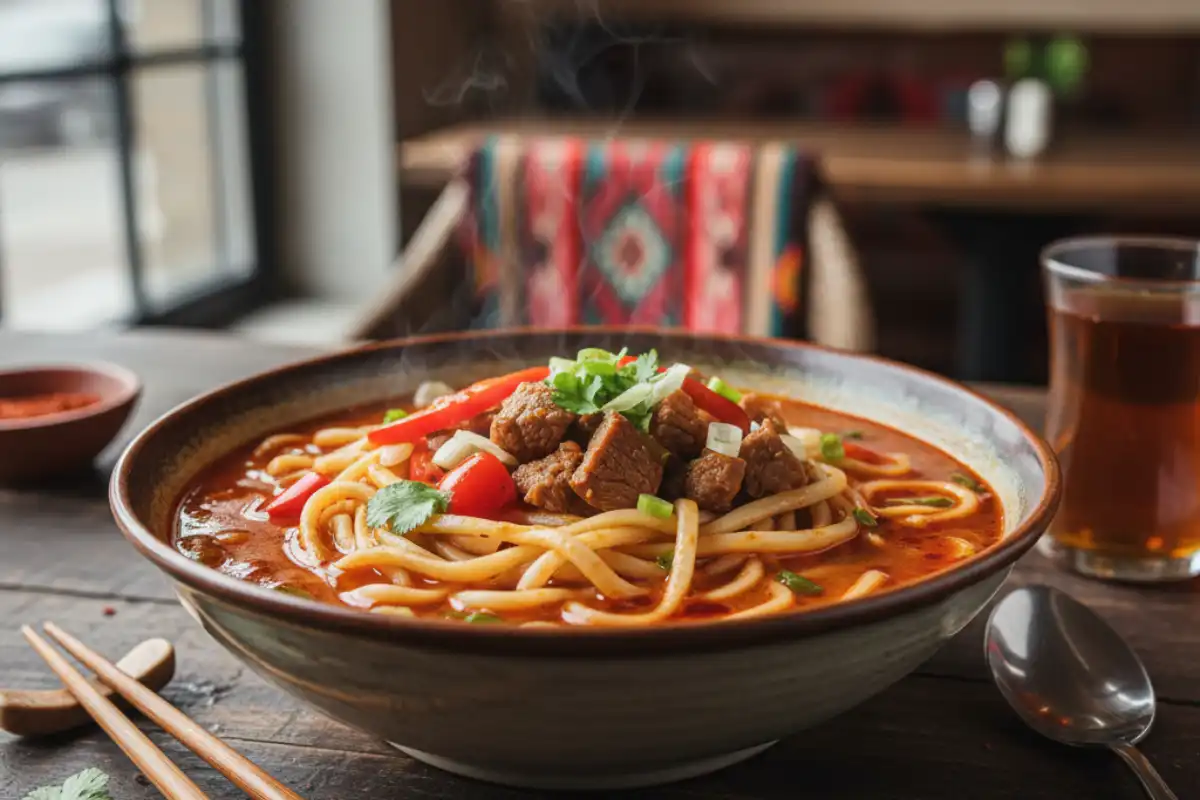
Estimated Budget Food Costs (October 2025):
- Breakfast: 700 – 1,500 KZT ($1.45 – $3.10 USD) for coffee and pastries from a local bakery or a simple hostel meal.
- Lunch (Canteen/Cafeteria): 1,800 – 3,500 KZT ($3.75 – $7.30 USD) for a filling, multi-course meal (soup and main course) at a local *stolovaya* (canteen).
- Dinner (Inexpensive Restaurant): 4,000 – 7,000 KZT ($8.30 – $14.60 USD) for a main dish like *Manti* or *Plov* at a mid-range local spot.
- Daily Budget for Food: 8,000 – 15,000 KZT ($17 – $31 USD) is a comfortable budget for eating well using local options.
Budget Eating Tips:
- Use *Stolovayas*: These self-service cafeterias offer the best value and variety of local dishes for lunch. Look for them primarily on the Right Bank.
- Try Street Food: Keep an eye out for cheap street-side *Samsas* (meat pastries cooked in a *tandyr* oven) and bread stalls.
- Shop at Markets: The **Artem Market** (on the Right Bank) is the best place to buy fresh, low-cost fruits, vegetables, and dried goods.
3. Getting Around: The Cost of Public Transit
Astana’s city center is spread out, making buses the essential and most cost-effective way to get around. The bus system is modern and covers the entire city, running frequently even in the extreme weather.
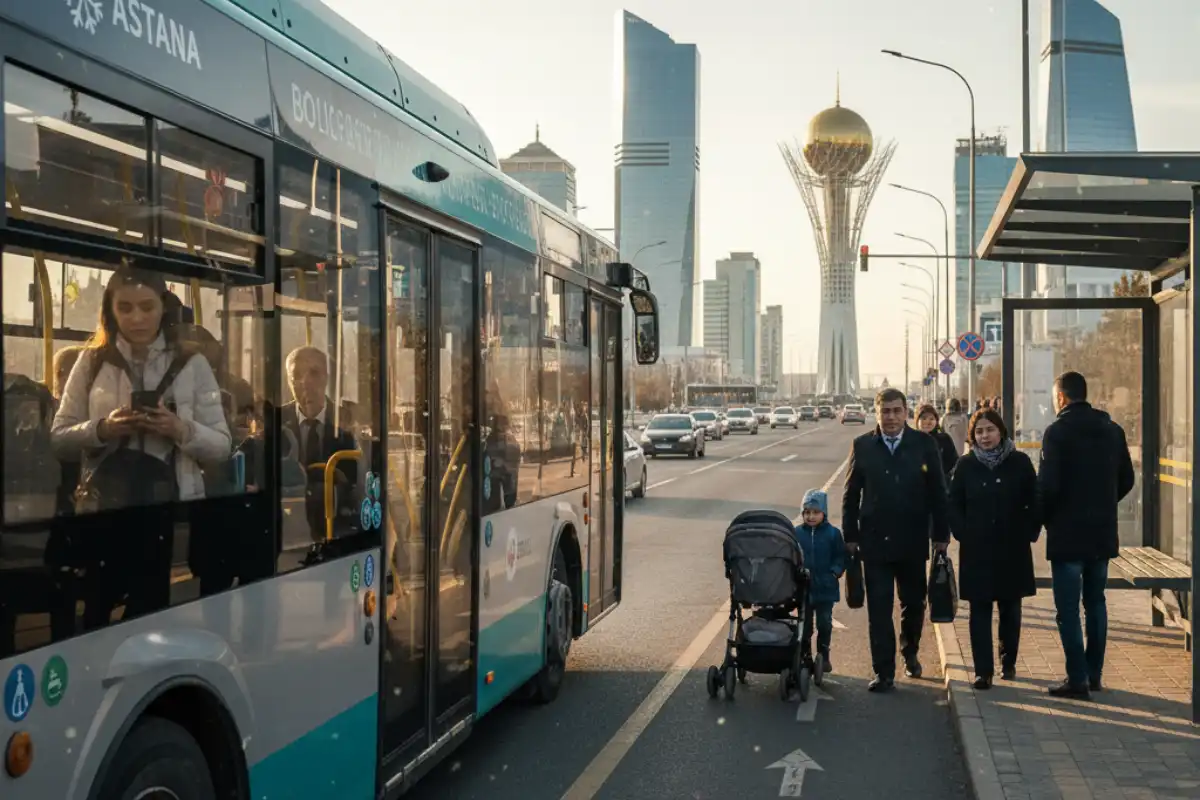
Fares (As of October 2025, estimated):
- Single Bus Ride (with card): Approximately **150 KZT** ($0.31 USD). This requires a transport card or a bank card tap.
- Single Bus Ride (cash): Approximately **250 KZT** ($0.52 USD). Paying cash is significantly more expensive.
- Payment: You can use a local transport card or, more conveniently, tap your contactless bank card directly upon boarding.
- Taxis: Taxis via apps like **Yandex Go** or **InDrive** are affordable and highly recommended for navigating the cold. A short ride usually costs **700 – 1,500 KZT** ($1.50 – $3.10 USD).
Tips for Transportation:
- Use Your Contactless Card: If your bank card supports contactless payment, it can often be used directly on the bus, eliminating the need to buy a specific transport card.
- Rely on Apps: The bus system is efficient, but the **Yandex Go** app is vital for calculating routes, tracking buses, and calling affordable taxis quickly when the weather is poor.
4. Staying Safe: Dangers, Scams, and Climate Risks
Astana is very safe in terms of crime; violent incidents against tourists are exceptionally rare. The main risk to travelers is the climate, which can be extreme, and basic tourist scams.
Primary Danger: Extreme Climate
- Cold Winters: Temperatures can regularly drop below -30°C (-22°F). Always dress in multiple layers, including thermal wear, heavy coats, hats, and gloves. Exposure is a serious risk.
- Hot Summers: Summers can be surprisingly hot, exceeding 35°C (95°F). Carry water and seek air conditioning during the midday heat.
Common Tourist Scams & Dangers:
- Unlicensed Taxis: Never hail a taxi on the street; they will overcharge. **Use the Yandex Go or InDrive apps exclusively.**
- Petty Theft: Be cautious of pickpockets on crowded public transport and in bustling markets like Artem Market.
- Currency Exchange: Only exchange currency at banks or official exchange points inside malls. Avoid street offers.
Areas to Be Cautious Of:
- Sparsely Populated Outskirts: The city is vast, and new residential blocks can be isolated. Avoid walking alone late at night in unlit or remote areas outside the central Left and Right Banks.
5. Ensuring a Positive & Unforgettable Astana Trip
Astana is a city built to impress. With the right preparation, you can focus entirely on enjoying its unique blend of ambition and Kazakhstani hospitality.
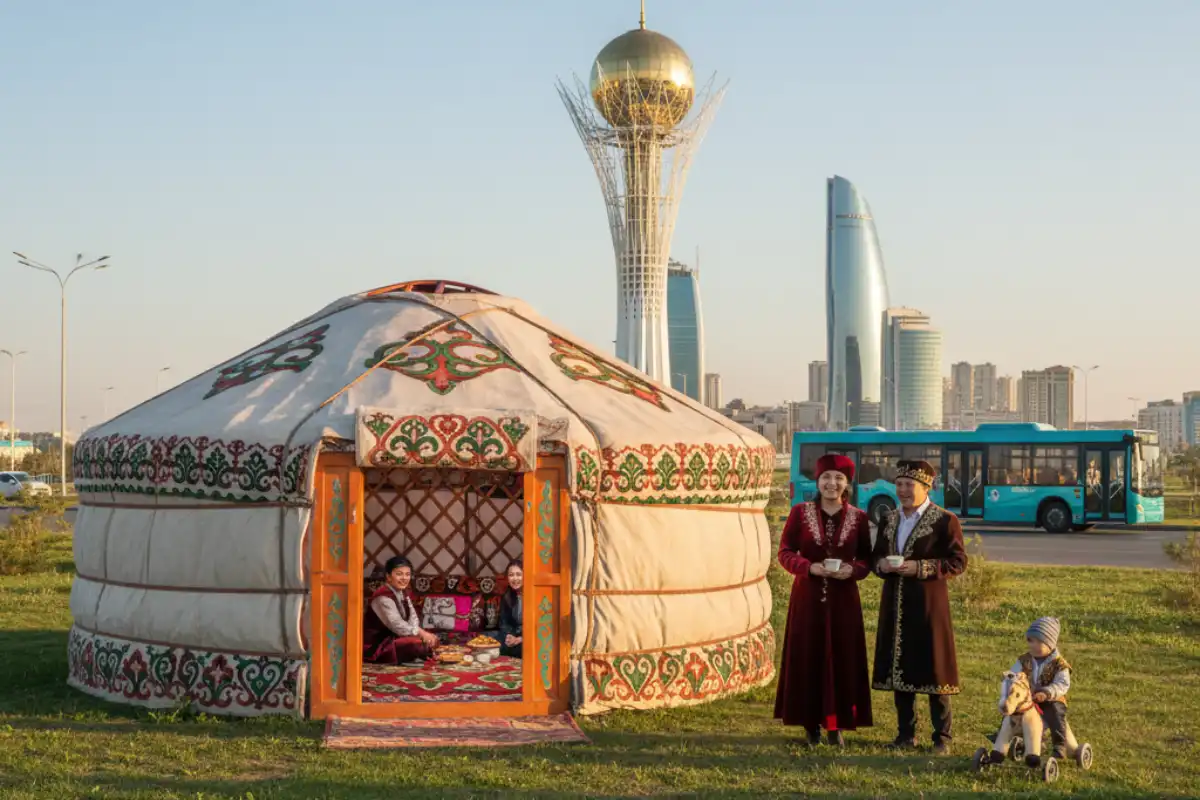
- Dress Appropriately: For the cold (October to April), serious winter gear is essential. For the heat, light layers and hydration are key.
- Embrace Russian: While Kazakh is the state language, **Russian is the primary language of commerce and daily life** in Astana. Learning a few Russian phrases will greatly help communication.
- Use the Covered Passageways: Take advantage of the pedestrian bridges and covered shopping malls on the Left Bank to minimize exposure to the cold or heat when walking long distances.
- Visit the National Museum: Located near the Bayterek Tower, this museum offers fantastic insight into Kazakhstan’s history and nomadic culture.
6. Astana Travel FAQs (October 2025)
What is the currency in Astana, and is cash or card better?
The currency is the **Kazakhstan Tenge (KZT)**. Cards are widely accepted in restaurants, hotels, and modern shops. Cash (KZT) is needed for buses (if not using a bank card), small shops, and market vendors.
How do I get from Nursultan Nazarbayev International Airport (NQZ) to the city center cheaply?
Take the city bus (Route 10 or 12). It costs around 150 KZT (with a tap card/bank card) and runs frequently. Using the Yandex Go app for a taxi is faster and still affordable (around 3,000–5,000 KZT).
Which language should I use to communicate in Astana?
While Kazakh is the official state language, **Russian** is the dominant language for commerce and daily communication in Astana. English is limited but growing in tourist areas.
Is Astana safe for solo female travelers?
Yes, Astana is generally considered very safe. Use common sense safety practices, especially at night, and always use official apps (Yandex Go) for reliable taxi transport.
Do I need to carry my passport everywhere in Astana?
It’s officially required for foreigners to carry identification. While you won’t be checked often, carrying a copy of your passport and visa (if applicable) is advisable, or the original if you prefer.
Your Futuristic Journey Awaits!
Astana offers a truly unique perspective on modern urban design and Central Asian culture. With these budget and safety tips, you are ready to explore this remarkable Eurasian capital!
Plan Your Kazakhstan Itinerary