Algarve Portugal’s Golden Coast
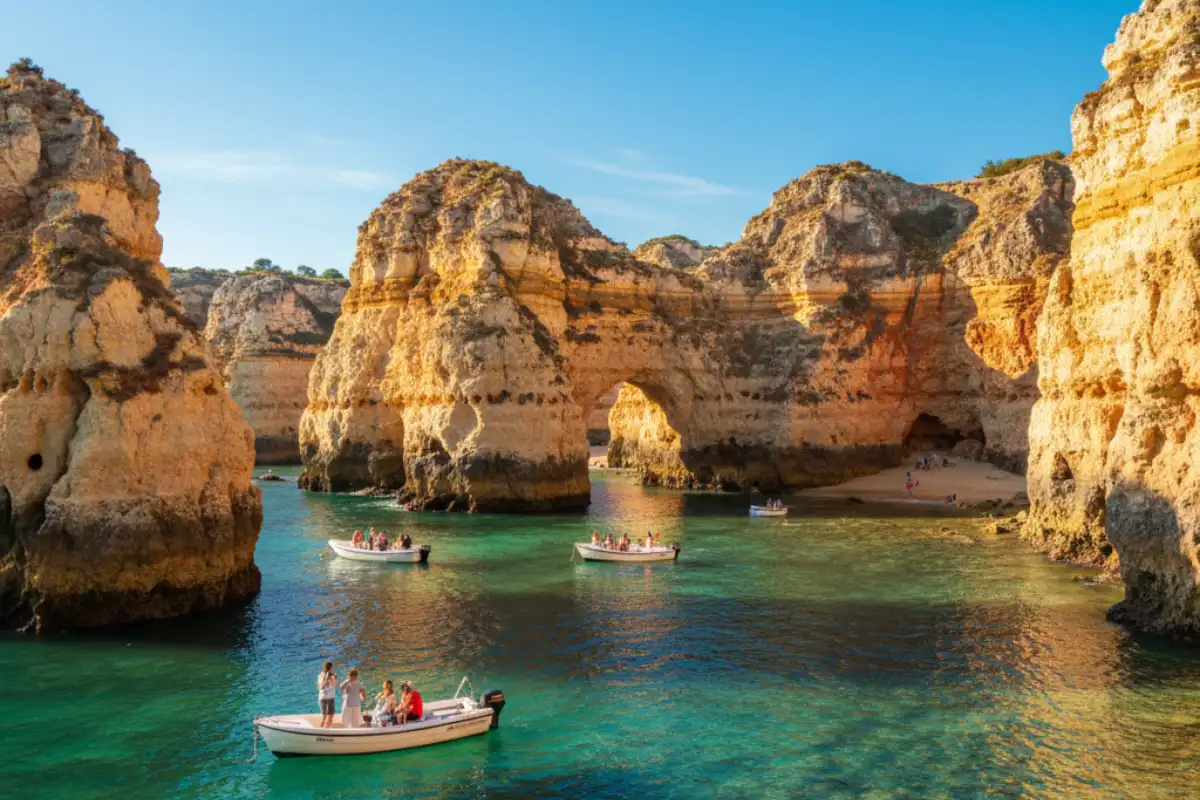
The Algarve, Portugal’s southernmost region, continues to reign as Europe’s premier coastal sanctuary in August 2026. Famous for its limestone sea stacks, hidden grottoes, and over 300 days of sunshine, the "Golden Coast" has successfully transitioned into a hub for sustainable luxury and authentic Atlantic heritage. While the central "Golden Triangle" offers world-class golf and Michelin-starred dining, the untamed West Coast (Costa Vicentina) draws those seeking spiritual solitude and world-class surfing. This guide, drawing on the latest traveler insights from Portuguese lifestyle journals and coastal explorers, navigates the perfect balance between the Algarve’s high-energy resorts and its quiet, whitewashed mountain villages.
1. Algarve Stays: From Vilamoura Luxury to Tavira Charm (August 2026)
In 2026, the Algarve offers a diverse range of accommodations. The trend has shifted toward “Eco-Quintas” restored farmhouses in the Barrocal (the foothills) providing a cooler, more spacious alternative to the bustling beachfront hotels of Albufeira. August is the peak of the European holiday season, making air conditioning and pool access essential requirements.
Estimated Lodging Prices by District (Average per night, August 2026) – Prices in Euro (€)
| Region | Experience Type | Average Price (EUR/night) | Traveler Profile |
|---|---|---|---|
| **Quinta do Lago / Vale do Lobo** | Ultra-luxury estates, private pools, and elite golf. | **€600 – €2,200** | Families and high-net-worth travelers. |
| **Lagos / Sagres** | Boutique surf lodges and historic cliffside hotels. | **€220 – €480** | Young professionals and adventure seekers. |
| **Tavira / Eastern Algarve** | Authentic whitewashed towns and beach island access. | **€160 – €350** | **Value Hack:** Culturally curious and slow-travelers. |
2. Gastronomy: Cataplana, Piri-Piri, and Atlantic Seafood
The Algarve’s food scene is a testament to its Moorish and maritime past. In 2026, the region is celebrating its “Slow Food” certification, with a heavy emphasis on the Ria Formosa oyster beds and the traditional copper *cataplana* (steamer).
Estimated Dining Costs (August 2026)
- **Grilled Sardines at a Port-Side Taberna:** €18 – €25 (The quintessential summer lunch, served with boiled potatoes).
- **Seafood Cataplana for Two:** €50 – €85 (A rich medley of clams, shrimp, and monkfish).
- **Michelin-Starred Degustation:** €180 – €320 per person (The Algarve boasts one of the highest densities of Michelin stars in Iberia).
- **Pastel de Nata & Bica (Espresso):** €4 – €6 (A sweet daily ritual).
- **Estimated Daily Budget for Food:** €70 – €140.
3. Coastal Exploration: Caves, Cliffs, and the Ria Formosa
The Algarve’s 200km coastline is remarkably varied. The central area is defined by its famous caves, while the Eastern Algarve consists of a massive lagoon system with barrier islands accessible only by boat.
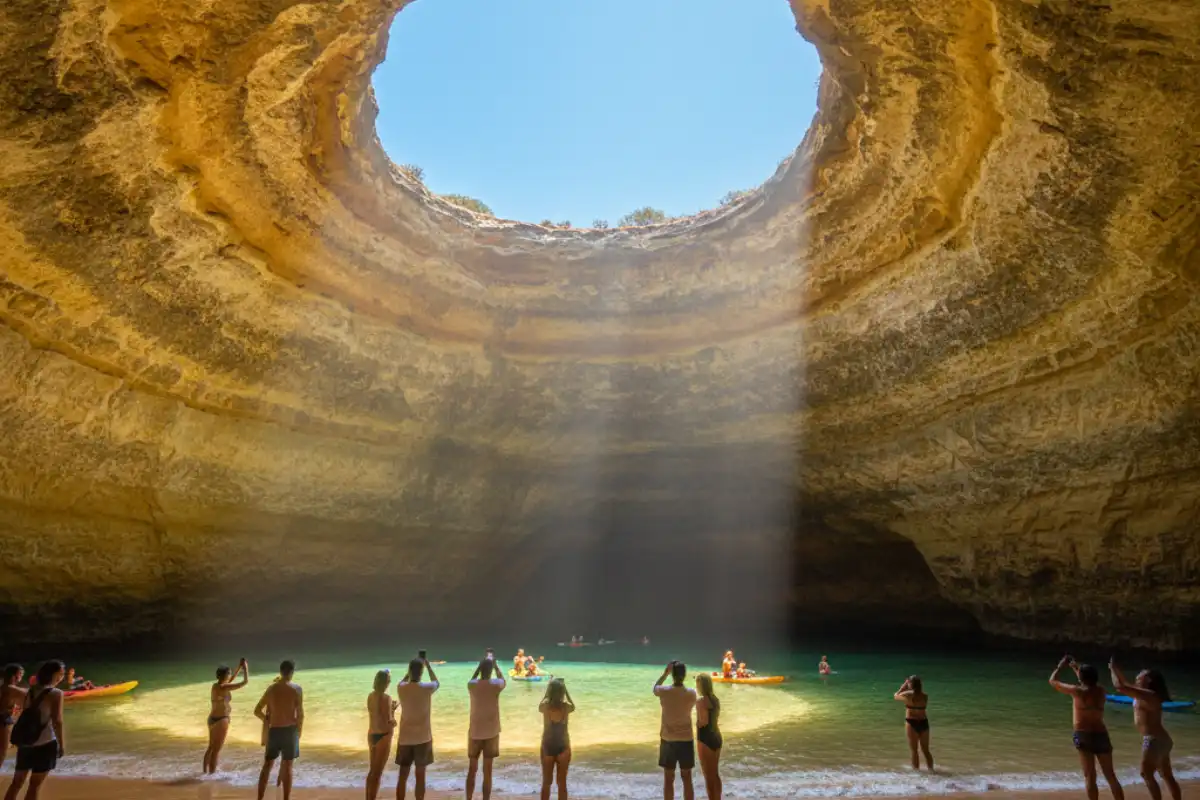
- **Private Boat Tour of Benagil & Marinha:** **€50 – €90**. (Early morning tours are best to beat the August crowds).
- **Seven Hanging Valleys Hike:** **Free**. (A stunning 12km coastal trail connecting Praia da Marinha to Vale Centeanes).
- **Surfing Lesson in Sagres:** **€45 – €75**. (The Atlantic swells at the “End of the World” are perfect for all levels).
- **Eco-Tour of the Ria Formosa:** **€35 – €60**. (Explore the lagoons of Faro and Olhão to see flamingos and seahorses).
4. Getting Around: The A22 Highway and Coastal Trains
While the Algarve is well-connected, reaching the “hidden” beaches requires independent transport. In 2026, the region has expanded its network of electric vehicle charging stations, making EV rentals the smartest choice for summer.
Essential Transport for Tourists:
- **EV Rental (Compact/SUV):** **€65 – €120 per day**. (Essential for the West Coast. Note: The A22 highway uses electronic tolls).
- **Comboios de Portugal (CP) Regional Train:** **€3 – €12**. (A charming, affordable way to travel from Lagos to the Spanish border).
- **Ferry to Ilha de Tavira:** **€2.50 – €4**. (The only way to reach the pristine island beaches of the East).
- **Private Airport Transfer (Faro to Lagos):** **€70 – €110**. (Common for those avoiding the complexities of the regional bus network).
5. Safety and Coastal Etiquette (August 2026)
The Algarve is incredibly safe, but the Atlantic Ocean and the crumbling sandstone cliffs require a healthy dose of respect.
Key Considerations for August:
- **Cliff Safety:** The golden sandstone is unstable. Never set your towel directly under a cliff face, and stay behind the wooden railings on coastal paths. Rockfalls are frequent.
- **Sun Intensity:** The Atlantic breeze can be cooling, but the UV index in August is extreme. Reapply SPF 50 frequently.
- **Tides:** Some beaches, like Praia do Carvalho, can almost disappear at high tide. Check the “IPMA” tide charts before planning a beach day.
Navigate the Algarve like a local:
- **Unmarked Tolls:** Many tourists forget to pay their A22 highway tolls. If your rental doesn’t have a “Via Verde” transponder, you must pay at a CTT post office 48 hours later.
- **Overpriced ‘Tourist’ Menus:** In Albufeira’s Old Town, look for restaurants where the menu is also written in Portuguese. If it’s only in English/German, the quality is often lower and the price higher.
- **Parking ‘Helpers’:** In popular areas, you may see people guiding you into parking spots for a tip. This is unofficial; you aren’t required to pay them, but a small €1 coin is often given as a courtesy.
6. Insider Tips for a Golden Summer
- **The Best Sunset in Europe:** Drive to Cape Saint Vincent (Cabo de São Vicente) near Sagres. It’s the southwesternmost point of Europe. Bring a jacket; the wind is fierce.
- **Market Day in Olhão:** Visit the brick-red waterfront markets on a Saturday morning for the freshest seafood and local figs/almonds.
- **Kayak, Don’t Boat, to Benagil:** In August, motorized boats aren’t allowed to let passengers off inside the cave. Rent a kayak or paddleboard from Praia de Benagil to actually walk on the cave’s sand.
- **Explore the West Coast:** If the central Algarve feels too crowded, drive to Praia da Bordeira. The massive dunes and wild Atlantic surf offer a completely different, untamed vibe.
7. Algarve Golden Coast: Frequently Asked Questions
Is the water in the Algarve cold?
Compared to the Mediterranean, yes. It is the Atlantic. In August, the water temperature is around 20°C to 22°C (68°F to 72°F), which is incredibly refreshing given the 30°C air temperature.
Which town is the best for families?
**Lagos** is the perfect all-rounder with its historic center and child-friendly beaches. For those seeking quiet water and shallow lagoons, **Tavira** in the East is ideal.
Do I need to book restaurants in advance?
In August 2026, yes. For popular beach clubs and reputable seafood spots, a 2-3 day advance booking is recommended. For Michelin-starred venues, book at least a month ahead.
Can I use English everywhere?
English is essentially a second language in the Algarve due to the long history of British tourism. You will have no trouble communicating in hotels, restaurants, and shops.
What is the best way to get from Lisbon to the Algarve?
The “Alfa Pendular” high-speed train is the most comfortable way, taking about 3 hours to Faro. Driving takes about the same time via the A2 highway.
Ready to lose yourself in the golden glow of Portugal’s most iconic coastline? The cliffs of the Algarve are waiting for your story to begin.
Book Your 2026 Golden Coast Escape