How to Combine Outdoor Travel with Photography
In 2026, the intersection of outdoor adventure and high-end photography has reached a fever pitch. We no longer just "go for a hike" we document the experience with cinematic precision. However, anyone who has ever tried to climb a ridge with a DSLR swinging around their neck knows the struggle. Combining these two passions requires a delicate balance of weight management, environmental protection, and strategic timing. We’ve synthesized tips from National Geographic contributors, viral travel creators on TikTok, and long-form gear discussions on Photography to help you capture the wilderness without letting the gear weigh down your soul.
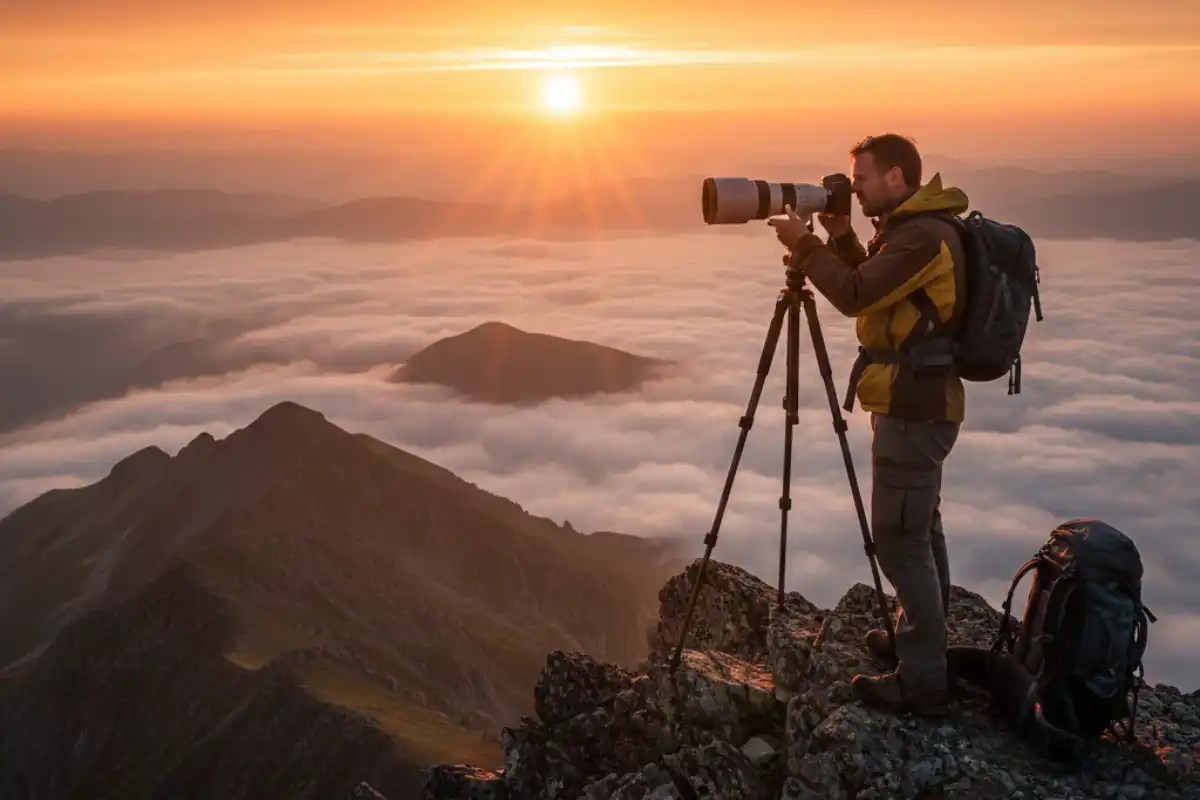
1. The “Weight vs. Quality” War: Selecting Your Kit
The biggest obstacle to outdoor photography is physical fatigue. If your bag is too heavy, you’ll stop looking for shots and start looking for the nearest bench.
- The “One Body, One Lens” Rule: For long-distance trekking, pros recommend a versatile zoom (like a 24-70mm or 24-105mm). It covers 90% of landscape and portrait needs without the need for lens changes in dusty or wet environments.
- Peak Design Capture Clip: This is a forum favorite. Instead of a neck strap, this clip attaches your camera directly to your backpack shoulder strap. It keeps the camera accessible and prevents it from bouncing.
- Carbon Fiber Everything: If you must carry a tripod, carbon fiber is non-negotiable in 2026. It’s lighter, absorbs vibrations better, and won’t freeze your hands in alpine conditions like aluminum does.
“I spent years carrying three prime lenses and a full-size tripod on 10-mile hikes. I realized I was so tired by sunset that my compositions were lazy. I switched to a high-end mirrorless and a single travel zoom my keepers increased by 40% because I had the energy to actually move my feet for better angles.” — Feedback from a veteran landscape shooter on DPReview forums.
2. Mastering the Elements: Protection & Timing
Nature is unpredictable. In 2026, advanced weather-sealing is standard, but you still need a strategy for extreme conditions.
| Scenario | The Pro Hack | Essential Accessory |
|---|---|---|
| Heavy Rain | Shoot through a clear dry bag | Silicon lens hood |
| Extreme Cold | Keep batteries inside your jacket | Hand warmers (for the battery tray) |
| Dusty Deserts | Never change lenses outside | Lens bellows/Air blower |
| Bright Sun | Use a Circular Polarizer | CPL Filter |
3. The “Light-First” Itinerary
In outdoor travel, your schedule should be dictated by the sun, not the trail map. This is often where “hikers” and “photographers” clash.
- The Blue Hour Buffer: Arrive at your destination at least 45 minutes before “Golden Hour.” You need time to scout the composition before the light becomes perfect.
- ND Filters for Water: To get that “silky” waterfall effect, you need a Neutral Density filter. It allows for long exposures even in broad daylight, turning a standard travel snap into a piece of art.
- Mindful Shooting: Don’t spend the whole trip behind the lens. Use a “Phone-First” rule for scouting. If the shot looks good on your phone, then take out the “big” camera.
Outdoor Photography FAQ
How do I keep my camera batteries from dying in the cold?
Cold weather slows down the chemical reactions in Lithium-ion batteries. Always carry spare batteries in an internal pocket close to your body heat. When one dies, swap it with a warm one; the “dead” one will often regain 20% charge once it warms up.
Mirrorless or DSLR for long-distance hiking?
In 2026, Mirrorless is the winner. They are lighter, have better electronic viewfinders for checking exposure in bright sun, and offer superior silent shooting modes for wildlife photography.
How can I protect my gear from condensation when entering a warm tent?
Before entering a warm space, put your camera in a Ziploc bag while still outside. The condensation will form on the outside of the bag rather than on your lens elements or sensor. Let it reach room temperature before taking it out.
Is it worth carrying a drone for outdoor travel?
Drones provide incredible “God’s eye” perspectives, but check local regulations first. Many National Parks have strict bans. If you do carry one, the DJI Mini series (under 249g) is the standard for 2026 due to portability and fewer legal restrictions.
What is the best way to back up photos while on the move?
Don’t rely on a single SD card. Use a dual-slot camera to write to two cards simultaneously. For long trips, use a portable SSD (like a Samsung T7) that can connect directly to your phone for cloud uploads when you reach a town with Wi-Fi.
Conclusion: Capture the Adventure, Live the Moment 🏔️✨
Combining outdoor travel with photography is about the transition from being an observer to a storyteller. By optimizing your gear for weight and respecting the natural light cycles, you ensure that your photos carry the same emotion as the climb itself. Remember: the best camera is the one you actually have with you, and the best shot is the one that tells the truth about the wild. Happy shooting!