Big Island Volcanic Beaches Hawaii
The Island of Hawai'i, colloquially known as the "Big Island," is a living laboratory of geological transformation. As of July 2026, the island’s volcanic activity continues to reshape its coastline, offering travelers the rare opportunity to walk on land that is literally newer than they are. From the obsidian sands of Punaluʻu to the elusive green crystals of Papakōlea, the Big Island’s beaches are not merely places to sunbathe they are vibrant intersections of fire and ocean. This guide combines the latest volcanic safety updates with insider tips from the Pacific Travel Forum to help you navigate the rugged terrain, otherworldly sands, and spiritual heritage of Hawaii’s youngest island.
1. Island Lodging: Kona Sunshine vs. Hilo’s Tropical Mist (July 2026)
The Big Island is divided into two distinct worlds: the dry, resort-heavy Kona side and the lush, rainforest-shrouded Hilo side. In 2026, the “Volcano Village” area has become a premier destination for luxury eco-cabins, allowing travelers to stay just minutes from the glow of Kīlauea.
Estimated Lodging Prices by Coast (Average per night, July 2026) – All Prices in USD ($)
| Region | Vibe | Average Price (USD/night) | Best Feature |
|---|---|---|---|
| **Kona / Kohala Coast** | Luxury resorts, volcanic golf courses, and sunset views. | **$550 – $1,200** | Snorkeling and high-end amenities. |
| **Hilo** | Historic town, tropical gardens, and local markets. | **$200 – $450** | Authentic culture and waterfall proximity. |
| **Volcano Village** | Misty rainforest retreats and high-altitude lodges. | **$280 – $600** | **Exploration Hack:** Closest access to the National Park. |
2. Island Gastronomy: Kona Coffee and Volcanic Vineyards
Dining on the Big Island in 2026 is an adventure in “Volcanic Terroir.” The rich mineral soil produces some of the world’s most expensive coffee and uniquely flavored tropical fruits that you won’t find on the other islands.
Estimated Dining Expenses (July 2026)
- **Fresh Catch Poke at a Hilo Market:** $18 – $26 (The most authentic and affordable way to eat seafood).
- **Kona Coffee Farm Breakfast:** $30 – $45 (Including a flight of 100% pure Kona estate coffee).
- **Dinner at a Lava-View Restaurant:** $90 – $160 per person (Coastal dining featuring ‘Nalo greens and Kohala grass-fed beef).
- **Tropical Fruit Plate from a Roadside Stand:** $15 – $25 (Dragonfruit, rambutan, and lilikoi).
- **Estimated Daily Budget for Food:** $70 – $150.
3. Volcanic Beaches: A Spectrum of Black, Green, and White
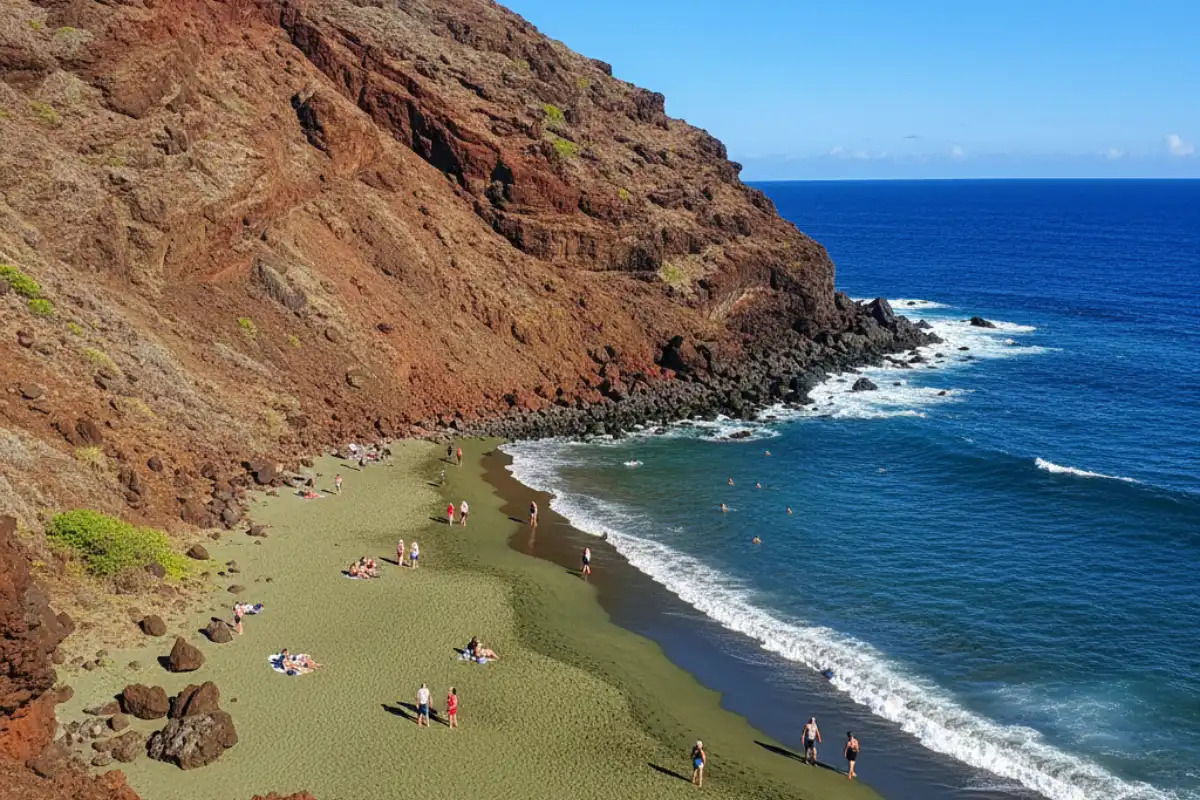
While Maui has golden sands, the Big Island offers a literal rainbow of volcanic geology. Visiting these beaches often requires a sense of adventure, as some are tucked away behind rugged lava fields.
- **Hawai’i Volcanoes National Park:** **$30 per vehicle**. (The main attraction; check the USGS updates for current lava flow visibility).
- **Manta Ray Night Snorkel (Kona):** **$180 – $250**. (A bucket-list experience where you swim with these gentle giants in the dark).
- **Papakōlea Green Sand Beach Hike:** **Free** (or $20 for a local shuttle). (A hot, 4-mile round-trip trek over coastal lava).
- **Mauna Kea Summit Stargazing:** **Free** (Self-drive) or **$280** (Guided). (July offers the clearest skies for viewing the Milky Way).
4. Navigating the Giant: The Need for 4WD
The Big Island is larger than all the other Hawaiian islands combined. In 2026, car rentals are the highest expense after lodging, and a standard sedan may limit your access to some of the most spectacular volcanic sites.
Essential Transport for Tourists:
- **4WD Vehicle Rental (Jeep/Bronco):** **$120 – $190 per day**. (Necessary for the road to Mauna Kea’s summit and some remote beach trailheads).
- **Standard Car Rental:** **$70 – $100 per day**. (Fine for the “Belt Road” that circles the island).
- **Inter-Island Flight (HNL to KOA/ITO):** **$65 – $120**. (Most visitors fly into Kona and out of Hilo to avoid the 3-hour return drive).
5. Safety and Volcanic Etiquette (2026 Update)
Traveling to a volcanic island requires a higher level of environmental awareness. Respect for local culture and the power of the land is paramount.
Key Risks for July Travelers:
- **Vog (Volcanic Smog):** Depending on wind direction, volcanic gases can cause respiratory irritation. Check the “Vog Forecast” if you have asthma or heart conditions.
- **Lava Rock Hazard:** Lava rock is as sharp as broken glass. Never walk on lava fields in flip-flops (slippers); sturdy hiking boots are a must.
- **The Kapu (Sacred) Areas:** Many lava tubes and historical sites are sacred to Native Hawaiians. Stay on marked trails and never take lava rocks home legend says Pele, the goddess of fire, will bring bad luck to those who do.
Be a savvy explorer with these 2026 tips:
- **Green Sand Theft:** Taking even a handful of green sand is illegal and heavily fined. Enjoy the view, but leave the minerals behind.
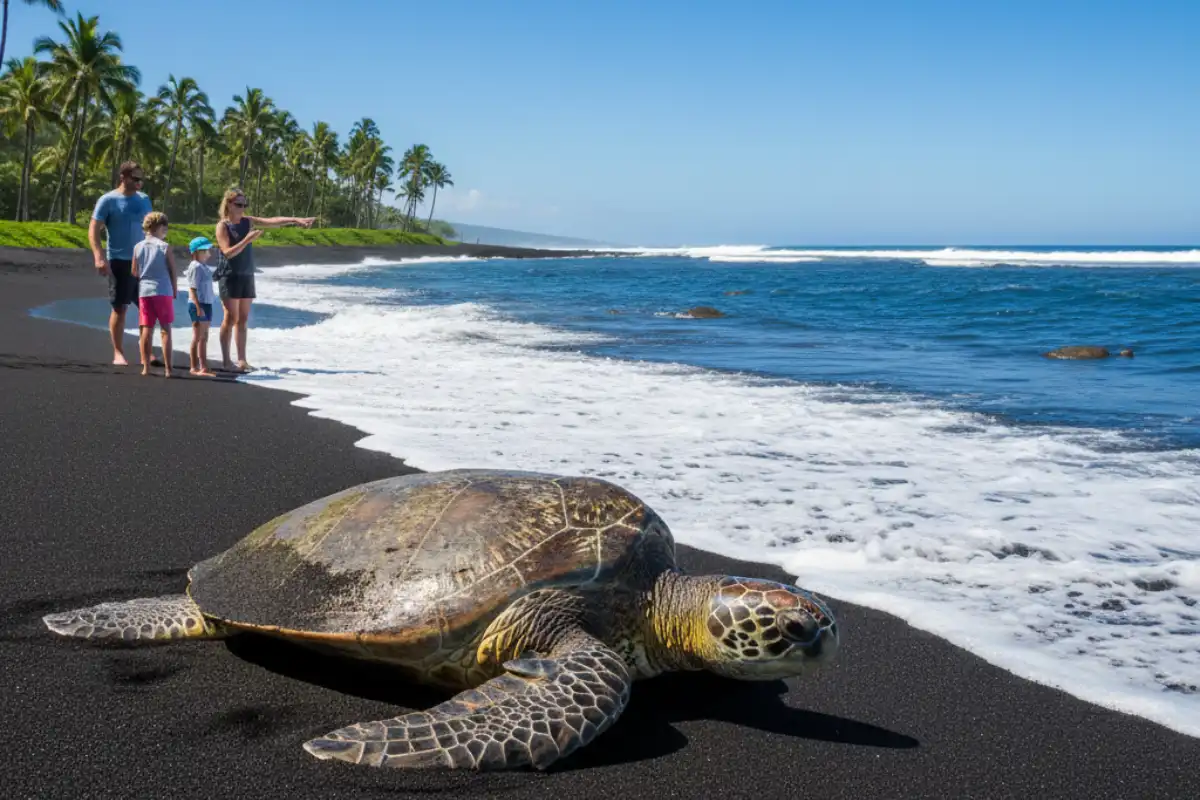
- **Sea Turtle Distance:** Fines for touching or getting too close to sea turtles (Honu) have increased in 2026. Stay at least 10 feet (3 meters) away at all times.
- **Illegal Tours:** Do not pay unauthorized guides to take you to “active lava.” Only use reputable companies that follow National Park safety guidelines.
6. Insider Tips for the Ultimate Big Island Escape
- **Nighttime Volcano Viewing:** The glow of the Kīlauea crater is most dramatic between 3:00 AM and 5:00 AM. You’ll avoid the massive crowds that gather at sunset.
- **Snorkel at Two Step:** Located next to Pu’uhonua o Hōnaunau, this is arguably the best shore snorkeling on the island, with frequent dolphin sightings.
- **Visit Tex Drive-In:** Stop in Honoka’a for a “Malasada” a Portuguese donut that is a staple of Hawaiian comfort food.
- **The Waipi’o Valley Overlook:** While the road into the valley is often restricted to locals, the overlook offers a breathtaking view of 2,000-foot waterfalls and black sand.
7. Big Island Volcanic Beaches: Frequently Asked Questions
Can I see flowing lava right now?
Lava activity is unpredictable. As of July 2026, Kīlauea is in an active phase, but “flowing” lava may be confined to the crater. Always check the official NPS.gov Volcanoes page for daily updates.
Is it safe to swim at black sand beaches?
At Punaluʻu, yes, but be cautious of strong rip currents. At newer black sand beaches (like Pohoiki), the shelf drops off quickly and the surf can be very aggressive.
How do I get to the Green Sand Beach?
You can hike 2 miles each way from the South Point parking lot or pay local residents for a 4WD shuttle ride. The hike is very dusty and windy, so bring plenty of water.
What is the weather like in July?
Kona is hot and sunny (29°C), Hilo is humid and tropical, and the Volcano area can be surprisingly chilly (15°C) at night. Pack layers!
Do I need to worry about radiation or toxic fumes?
No. The air quality is monitored constantly. While “Laze” (lava haze) can be an issue where lava meets the sea, these areas are strictly cordoned off by authorities.
Ready to stand on the newest land on Earth and swim in the shadows of giants? The Big Island’s volcanic wonders are waiting for you.
Book Your 2026 Volcano Expedition