Airbnb vs. Hotels: Which Is Safer? A Traveler’s Guide to Security
When planning a trip, one of the biggest decisions you'll make is where to stay. The choice between a traditional hotel and a private rental like an Airbnb often comes down to cost, comfort, and, increasingly, safety. While hotels offer established security protocols, the unique experience of a local Airbnb can be tempting. So, which is the safer option? The truth is, both have their own set of security pros and cons. This guide will break down the key differences and provide **actionable tips from seasoned travelers** to help you maximize your personal safety and peace of mind, no matter where you choose to rest your head.
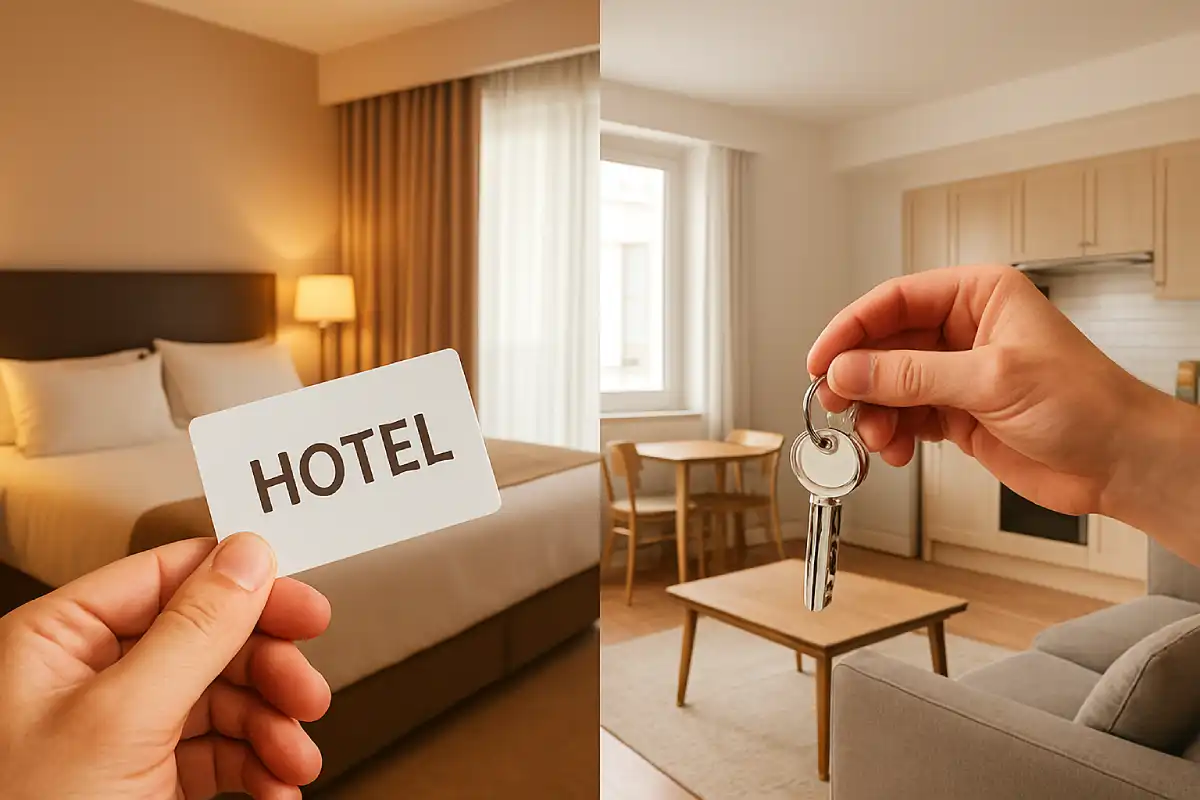
The Case for Hotels: Standardized Security 🏢
Hotels are known for their consistent standards, and security is a major part of that. They are often the safer choice due to their established infrastructure and professional staff.
1. Professional Security Staff and Infrastructure 👮
Most hotels have a dedicated security team, round-the-clock reception staff, and a system of keycard-operated entry. This means that only guests and authorized personnel can access the floors and rooms. The presence of cameras in common areas and the constant monitoring of the building provides a strong deterrent to crime.
2. Guest Vetting and Public Presence ✅
Hotels are public businesses that check the IDs of all guests. This formal check-in process makes it difficult for someone to enter the premises undetected. This public, regulated nature often makes them a less attractive target for criminals. If something goes wrong, you have a professional staff to turn to immediately.
Expert Insight: Travel Security Consultant, “Safety First” Magazine
“Hotels offer a clear chain of command and a professional point of contact. If you have a security concern, you can immediately speak with a manager or security guard. This is a level of immediate, on-site support that a private rental simply can’t match.”
The Case for Airbnb: A Different Kind of Safety 🔑
While Airbnbs may lack the institutional security of a hotel, they offer a different kind of safety, often rooted in privacy and community.
1. A More Discrete and Private Stay 🤫
Staying in an Airbnb often means you are in a regular residential building, which can make you less of a target. You don’t have the public flow of tourists and strangers that a hotel lobby has. For some travelers, the anonymity of not being in a public business can feel safer.
2. Host and Guest Vetting System 📝
Airbnb has a review system for both guests and hosts. This peer-to-peer vetting can give you a strong sense of a host’s reliability and the safety of their property. You can read past reviews to see what other travelers have said about the neighborhood and the security of the rental itself.
Experienced Traveler Insight: Sarah, from a Solo Female Travel Forum
“When I book an Airbnb, I always read the reviews with a fine-tooth comb. I look for comments about the neighborhood, the quality of the locks, and the host’s responsiveness. I also use Google Street View to check out the building and the area before I book. It’s a bit of extra work, but it helps me feel much more secure.”
How to Maximize Your Safety, No Matter Where You Stay
Regardless of your choice, a little proactive effort can go a long way in ensuring your safety.
1. Read the Reviews (Always) 📚
For both hotels and Airbnbs, reviews are your best friend. Look for recent reviews and pay close attention to any mention of security issues, cleanliness, or neighborhood safety. If a property has a lot of negative or vague security reviews, it’s best to move on.
2. Secure Your Valuables 🔒
Use the safe in your hotel room. In an Airbnb, consider bringing a small portable safe or lockbox to secure your passport, cash, and other valuables. Never leave expensive items like laptops or cameras out in the open, especially if you have a shared space or are staying in an area with a high turnover of people.
3. Know Your Exits and Local Emergency Numbers 🚨
Upon arrival, take a moment to locate the emergency exits, fire escapes, and fire extinguishers. Save the local emergency numbers (e.g., 911, 112) in your phone. If you are in an Airbnb, ask your host for their contact information and the emergency number for the country or region.
4. Be Cautious with Keys and Access Codes 🗝️
In a hotel, be careful not to leave your room keycard where others can see your room number. In an Airbnb, check to see if the key can be easily duplicated, and make sure the host has a clear system for changing access codes or keys between guests.
Frequently Asked Questions About Accommodation Safety
Are there legal protections for me if something goes wrong?
Hotels have established legal protocols and are responsible for their guests’ safety. In an Airbnb, your protection can depend on the platform’s policies and local laws. Airbnb offers some guest guarantees, but it’s essential to understand their terms. Always have a good travel insurance policy to cover personal property loss or injury.
What about “smart” devices in my rental?
Always check for hidden cameras or recording devices. While most are benign (e.g., smart thermostats), some travelers have found hidden surveillance. Airbnb has a strict policy against this, but it’s still a good practice to check for any suspicious-looking devices and communicate with your host if you have any concerns.
Which is better for solo travelers, hotels or Airbnb?
Many solo travelers feel safer in hotels due to the 24/7 staff, constant presence of other people, and formal security measures. However, a well-vetted Airbnb with a Superhost or many positive reviews in a safe neighborhood can also be a great option for a more authentic and private experience.
Conclusion: It’s About Preparation, Not Perfection
When it comes to safety, the choice between a hotel and an Airbnb isn’t as simple as one being universally “better.” The safety of your stay depends less on the type of accommodation and more on your personal diligence. By doing your research, trusting your instincts, and taking proactive steps to secure your belongings and your person, you can ensure a safe and enjoyable trip. Ultimately, the best choice is the one that makes you feel most comfortable and allows you to relax and enjoy your adventure.