A photo of the colorful Art Deco buildings and beach in South Beach, Miami
Miami is a vibrant metropolis where Latin American flair meets American cool. It's a city of sun-kissed beaches, colorful Art Deco architecture, and a pulsating nightlife. While it's known for its luxury and glamour, a budget-conscious traveler can still experience its unique blend of cultures. This 2025 guide provides the perfect itinerary for a trip focused on beaches, art, and Cuban culture, along with essential tips on finding affordable accommodation, cheap food, public transport, and staying safe.

From South Beach to Little Havana
Miami is a sprawling city, so a good itinerary is essential to make the most of your time. This guide is designed to help you explore its key highlights while keeping costs down. By focusing on free activities, affordable food, and savvy transport, you can have a truly memorable and authentic Miami experience.
Suggested Miami Itinerary
Day 1: South Beach & Art Deco
- Morning: Start your day with a walk or bike ride along Ocean Drive in South Beach. Admire the pastel-colored Art Deco buildings that have made the area famous.
- Afternoon: Relax on the iconic South Beach. The beach itself is free, so all you need is a towel and sunscreen. In the late afternoon, explore the Bass Museum of Art (free on the last Sunday of the month).
- Evening: Walk down Lincoln Road, a pedestrian-only street with shops and restaurants. For a budget meal, grab a slice of pizza or a cheap casual dinner.
Day 2: Art & Wynwood
- Morning: Take public transport to the Wynwood Walls. This outdoor street art museum is a must-see and offers free entry. Spend hours wandering through the colorful murals.
- Afternoon: Walk to the Design District, an area known for its modern architecture, public art, and high-end fashion boutiques. You can enjoy the art and architecture for free.
- Evening: Explore the vibrant nightlife of Wynwood. Many bars offer happy hour specials, and the area has a lively, artistic atmosphere.
Day 3: Cuban Culture & Little Havana
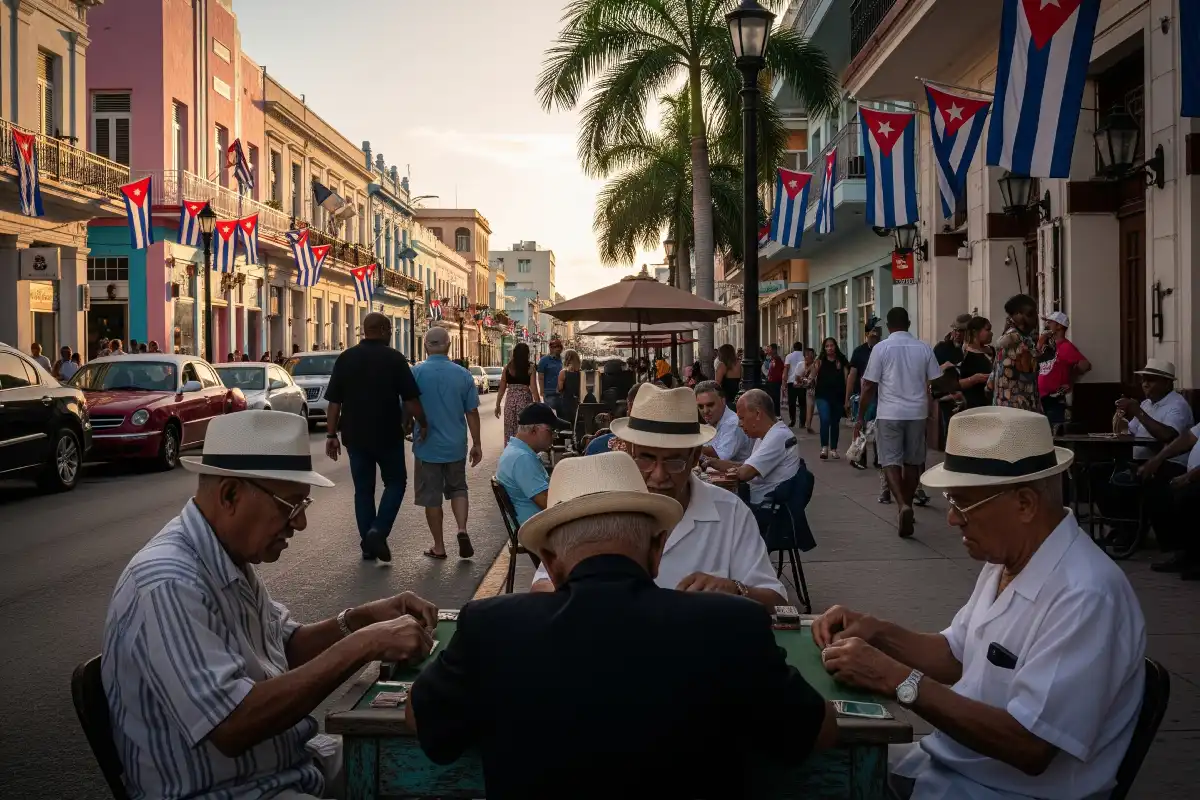
- Morning: Head to Little Havana, the heart of Miami’s Cuban community. Walk along Calle Ocho (8th Street), listen to live music, and watch local domino players in Domino Park.
- Afternoon: Try a delicious and cheap Cuban sandwich or a “pastelito” (pastry) from a local bakery. Visit the historic Tower Theater and explore the various art galleries and cigar shops.
- Evening: Enjoy a traditional Cuban dinner at a casual restaurant. The food is delicious and very affordable. Finish with a Cuban coffee (“cafecito”).
1. The Cost of a Bed: Budget-Friendly Accommodation
Miami is generally an expensive city, but hostels offer a way to stay in key areas without paying for a hotel. Most hostels are located in Miami Beach, offering a prime location for a fraction of the cost.
Hostel & Budget Accommodation Prices by Area (Average per night for a dorm bed, August 2025)
| Area | Description | Average Price (USD/night) | Pros for Budget Travelers |
|---|---|---|---|
| South Beach | The most famous area, with beaches, nightlife, and Art Deco. | $30 – $55 | Ultimate convenience for beach lovers and partygoers. |
| Mid-Beach/North Beach | A slightly more relaxed and residential part of Miami Beach. | $25 – $45 | Cheaper than South Beach, but still close to the sea and a short bus ride from the action. |
| Downtown/Brickell | The central business and financial district. | $20 – $40 | Best value for money, great access to mainland attractions and transport. |
Note: Prices are estimates for a dorm bed. Miami is very seasonal, and prices can surge during holidays and events like Art Basel.
Tips for Saving on Accommodation:
- Book Off-Season: If possible, visit in the shoulder season (e.g., May or October) to find lower prices.
- Look for Freebies: Many hostels offer free breakfast or a social event, which is a big money saver.
2. Eating on a Dime: Miami’s Budget Food Scene
Miami’s food scene is diverse, but dining out can be very expensive. The key to eating on a budget is to embrace the local culture and seek out ethnic eateries, food trucks, and lunch specials.

Estimated Budget Food Costs (August 2025):
- Breakfast: $5 – $10 USD for a coffee and a pastelito at a Cuban bakery.
- Lunch: $10 – $18 USD for a delicious meal from a food truck, a casual eatery, or a Cuban restaurant.
- Dinner: $15 – $30 USD at a casual restaurant.
- Daily Budget for Food: $30 – $50 USD is a reasonable budget for a traveler focused on saving money.
Budget Eating Tips:
- Explore Little Havana: This is the best place for cheap and authentic Cuban food.
- Try Lunch Specials: Many restaurants offer “lunch specials” that provide a great meal for a lower price.
- Visit a Supermarket: Buying groceries from a supermarket like Publix or Target is a great way to save money.
3. Getting Around: The Cost of Public Transit
Miami is a city built for cars, but its public transport system (bus, Metrorail, and Metromover) is an excellent way to get around without a car. It’s affordable and connects most key areas.

Fares (As of August 2025, subject to minor changes):
- Single Fare: $2.25 USD on Metrorail or bus.
- All-Day Pass: $5.65 USD. This is the best value if you plan to use public transport more than twice in one day.
- Free Metromover: The Metromover is a free, elevated light-rail system that runs a loop through downtown Miami and Brickell. It’s great for exploring the city center.
- Miami Beach Trolley: This is a free trolley service that runs loops throughout Miami Beach, making it easy to get around the area.
Tips for Transportation:
- Use Public Transport: Avoid expensive taxis or ride-hailing apps for long distances.
- Rent a Bike: Biking is a popular way to get around Miami Beach, and there are many bike rental kiosks available.
4. Staying Safe: Dangers, Scams, and Areas to Avoid
Miami is a major city with its share of crime, but the main tourist areas are generally safe. As with any large city, it’s wise to be aware of your surroundings and exercise caution.
Common Dangers & Scams:
- Pickpocketing: Be cautious in crowded areas like South Beach, Wynwood, and on public transport.
- “Street Hustlers”: Be wary of people on the street offering you tickets, tours, or other services.
- Nightlife Dangers: Be cautious in clubs and bars. Don’t leave your drink unattended.
Areas to Be Cautious Of:
- Certain parts of Miami-Dade County: While the main tourist areas are fine, some neighborhoods are known to have higher crime rates. It’s best to stick to well-known areas like Miami Beach, Wynwood, Downtown, and Coral Gables, especially at night.
General Safety Advice:
- Don’t Flash Valuables: Don’t display expensive jewelry, electronics, or large amounts of cash.
- Walk Confidently: Be aware of your surroundings, but don’t walk around looking lost.
- Emergency Numbers: Police/Ambulance/Fire 911.
5. Ensuring a Positive & Unforgettable Miami Trip
Miami is a city of energy and fun. By being prepared and open-minded, you’re set for an amazing experience.
- Embrace the Heat: Miami can be very hot and humid, especially in summer. Stay hydrated and plan your activities for the cooler parts of the day.
- Try the Cuban Coffee: A “cafecito” is a small, strong, sweet coffee that is a cultural staple and will give you a great energy boost.
- Enjoy the Freebies: The beaches are free, as are many of the city’s parks. Simply walking around and people-watching is a great, free activity.
- Be Open to People: Miami’s diverse population is its greatest asset. Talk to locals and learn about their culture.
6. Miami Travel FAQs (August 2025)
What is the currency in Miami?
The currency is the US Dollar (USD). Credit and debit cards are widely accepted everywhere, but it’s a good idea to have some cash for small purchases.
Is it easy to get around without a car?
While a car is helpful, you can definitely get by without one. The public bus system connects the airport to Miami Beach and the mainland. For exploring specific neighborhoods, walking, biking, and using the free Metromover and trolley are your best bets.
How can I get from Miami International Airport to the city?
The cheapest way is to take the Metrorail from the airport’s MIA Mover station. It connects to the Metrorail system, from which you can reach most parts of the city.
What’s the best time of year to visit Miami?
The high season is from November to April, when the weather is warm and dry. The summer months (June to September) are very hot and humid, but you can find lower prices for flights and accommodation.
Are there any free attractions?
Yes, many of Miami’s best attractions are free! The beaches, the Wynwood Walls, and the Metromover are all free. You can also explore neighborhoods like Little Havana and the Design District for free.
Your Miami Adventure Awaits!
Miami is more than just beaches and nightlife; it’s a cultural hub waiting to be explored. With these budget-friendly tips, you’re ready to experience its vibrant art, delicious food, and unique charm. Enjoy your trip!
Start Planning Your Miami Trip