Winter travel insurance: What’s covered?
Winter travel, while beautiful and exciting, carries specific risks that standard travel insurance often fails to cover. Whether you’re hitting the slopes for a ski vacation, enjoying a winter food tour, or embarking on a thrilling ice climbing adventure, the potential for injury, equipment loss, or weather-related delays is significantly higher.
The Three Pillars of Winter Coverage 🏔️
A robust winter travel policy must extend beyond basic medical and cancellation coverage to include these specialized elements.
1. Winter Sports Cover (The Crucial Add-on)
Crucially, most standard policies exclude injuries sustained while participating in high-risk activities like skiing, snowboarding, ice climbing, or snowmobiling. You must purchase a dedicated **Winter Sports Endorsement** or ensure the policy explicitly names the activities you plan to do.
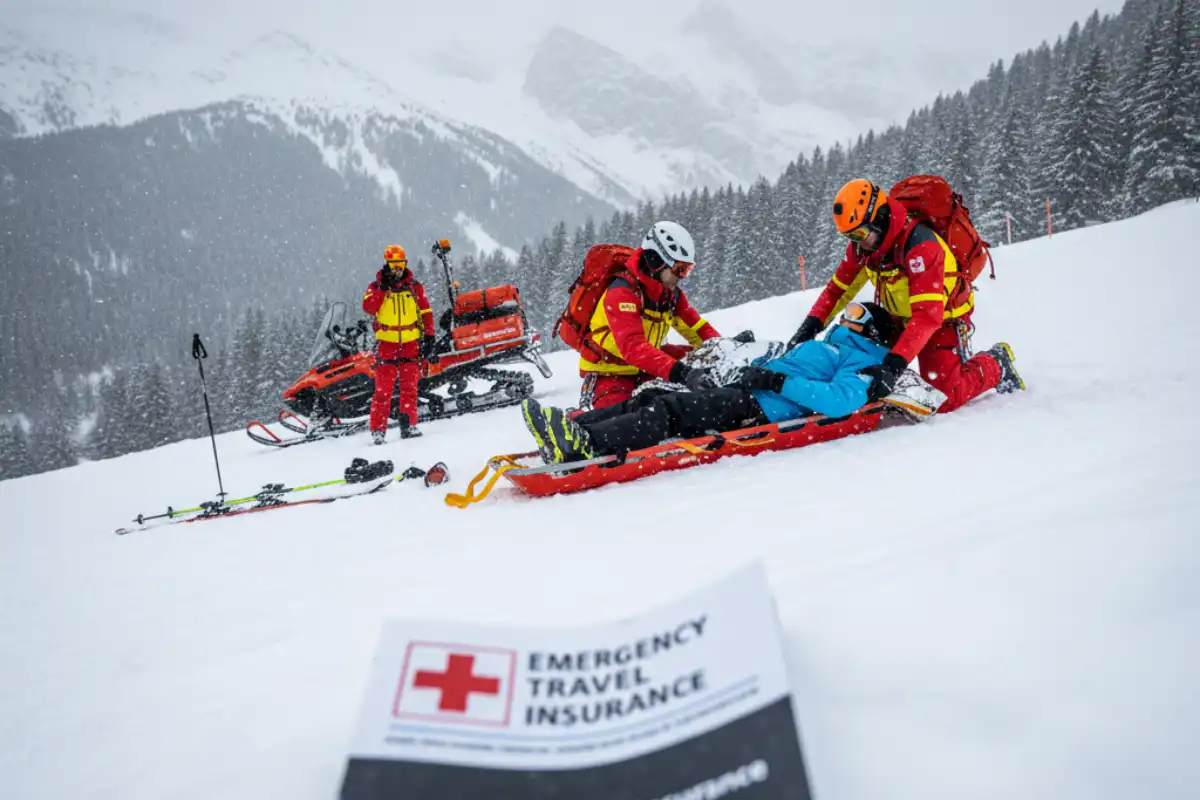
- **Emergency Medical & Evacuation:** This is paramount. It covers helicopter evacuation from the slopes (which can cost tens of thousands) and subsequent medical treatment for broken bones or other injuries.
- **Piste Closure:** Covers the cost of pre-booked lift passes and tuition if the resort closes due to lack of snow, avalanche risk, or extreme weather.
- **Lift Pass/Equipment Hire:** Reimburses the unused portion of your pre-paid lift pass and rental costs if you are injured and cannot ski for the rest of your trip.
2. Equipment and Baggage Protection
Ski and snowboard gear is expensive, bulky, and prone to loss or damage during transit.
- **Owned Equipment:** Coverage for the theft or damage of your personal skis, boots, poles, or snowboard. Note the **single item limit** this is often low and may not cover the full cost of high-end gear, requiring extra specification.
- **Hired Equipment:** Covers the cost if you damage rental gear, relieving you of the liability from the rental shop.
- **Delay/Loss:** Provides funds to rent necessary equipment (skis, clothing) if your checked baggage is delayed or lost by the airline.
3. Weather-Related Delays and Cancellations
Winter weather, particularly snowstorms, frequently causes flight cancellations and road closures.
- **Trip Cancellation:** Reimburses non-refundable costs (flights, accommodation) if you can’t start your trip due to severe weather.
- **Trip Interruption:** Covers unexpected accommodation or travel costs if you’re stranded mid-trip by unforeseen closures.
Critical Exclusions and Fine Print Warnings 🛑
The biggest pitfalls in winter insurance are often found in the small print—the activities and situations the policy specifically won’t cover.
Financial Journalist Warning: Read the Activity Definitions
“Before relying on a policy, check the exact definition of the activity you plan to do. A standard ‘Winter Sports’ rider may cover on-piste skiing but **exclude off-piste skiing, backcountry touring, or heli-skiing** unless you add an expensive, high-risk extension. Travelers often assume they are covered only to find a claim denied because they left the marked trail.” (Source: Personal Finance and Travel Insurance Reports)
Common Winter Exclusions to Watch For:
- **Off-Piste/Unaccompanied Skiing:** Many policies strictly forbid skiing off-piste unless you are with a certified, professional guide.
- **Alcohol/Drugs:** Claims related to injuries sustained while under the influence of alcohol or non-prescribed drugs are almost universally denied.
- **Lack of Wear/Tear:** Damage to equipment due to normal ‘wear and tear’ (i.e., scuff marks, minor dents) is not covered, only sudden damage or theft.
- **Traveling Against Advice:** If a government or official body advises against travel to a region due to weather or political instability, your policy may be void if you travel anyway.
Expert Traveler Advice for Buying Insurance 💰
Seasoned winter travelers emphasize smart comparison shopping and early purchase.
- **Buy Early:** Purchase your policy as soon as you book your trip. This ensures that the cancellation portion of your insurance is active immediately, covering you if you need to cancel weeks before you even leave due to illness or other covered reasons.
- **Annual vs. Single Trip:** If you take more than two or three trips a year, especially if they involve winter sports, an **Annual Multi-Trip policy** with a winter sports add-on is often more cost-effective than buying single-trip policies.
- **Know Your Limits:** Compare the deductible (excess) you must pay, the single item limit for gear, and the overall medical coverage cap. A cheap policy often has a low coverage cap and a high deductible.
Frequently Asked Questions About Winter Travel Insurance
Does my credit card travel insurance cover skiing?
In most cases, **no**. The standard travel insurance offered by credit cards often explicitly excludes high-risk activities like skiing, especially off-piste. Always call your card provider to confirm if a specific winter sports rider is available, and verify the medical evacuation limits.
What is a reasonable coverage amount for emergency medical expenses?
Given the high cost of foreign healthcare and air evacuation, experts recommend a minimum of **$500,000 USD** in emergency medical coverage. For trips to countries with extremely high medical costs (like the US or Switzerland), coverage of **$1,000,000 USD** or more is strongly advised.
Is it covered if the resort closes due to lack of snow?
Yes, but **only if you specifically purchase a policy with Piste Closure coverage**. This optional add-on protects pre-paid lift passes and tuition costs if a lack of snow or adverse weather (too much snow/avalanche risk) shuts down a significant portion of the skiable terrain during your trip.
If my flight is cancelled due to a blizzard, what part of the insurance pays?
This falls under the **Trip Cancellation or Trip Interruption** benefit. Cancellation applies if the weather prevents you from starting your trip. Interruption applies if the blizzard hits mid-trip and forces you to incur extra, unforeseen expenses (like extra nights in a hotel or unexpected flight rebooking fees).
If I rent my skis, do I still need insurance coverage for them?
Yes. If you rent gear and damage it, the rental company will charge you the full cost of repair or replacement. A good winter sports policy includes **Hired Equipment coverage**, which pays the rental company’s charge, saving you from a significant out-of-pocket expense.
Conclusion: Don’t Travel Exposed 🏔️
A standard travel policy is simply insufficient for the unique demands of winter travel. The small investment in a specialized Winter Sports endorsement is negligible compared to the potential cost of a helicopter rescue, emergency medical bill, or replacing lost high-performance equipment. Always read the policy’s activity definitions carefully, prioritize high medical limits, and ensure you’re covered both on and off the piste to enjoy your winter adventure worry-free.