Winter travel for burnout recovery
Burnout, characterized by exhaustion, cynicism, and reduced professional efficacy, requires more than just a typical vacation; it demands a dedicated period of **restoration and disconnection**. Winter, with its natural quietude, long nights, and cultural emphasis on slowing down, offers the perfect backdrop for this kind of restorative travel.
Strategic Elements of a Restorative Trip
Successful burnout recovery hinges on integrating specific practices into your travel plan.
1. Prioritize Slow Travel and Solitude
Avoid highly scheduled, fast-paced itineraries typical of summer travel. Choose destinations that encourage staying put and reflecting.
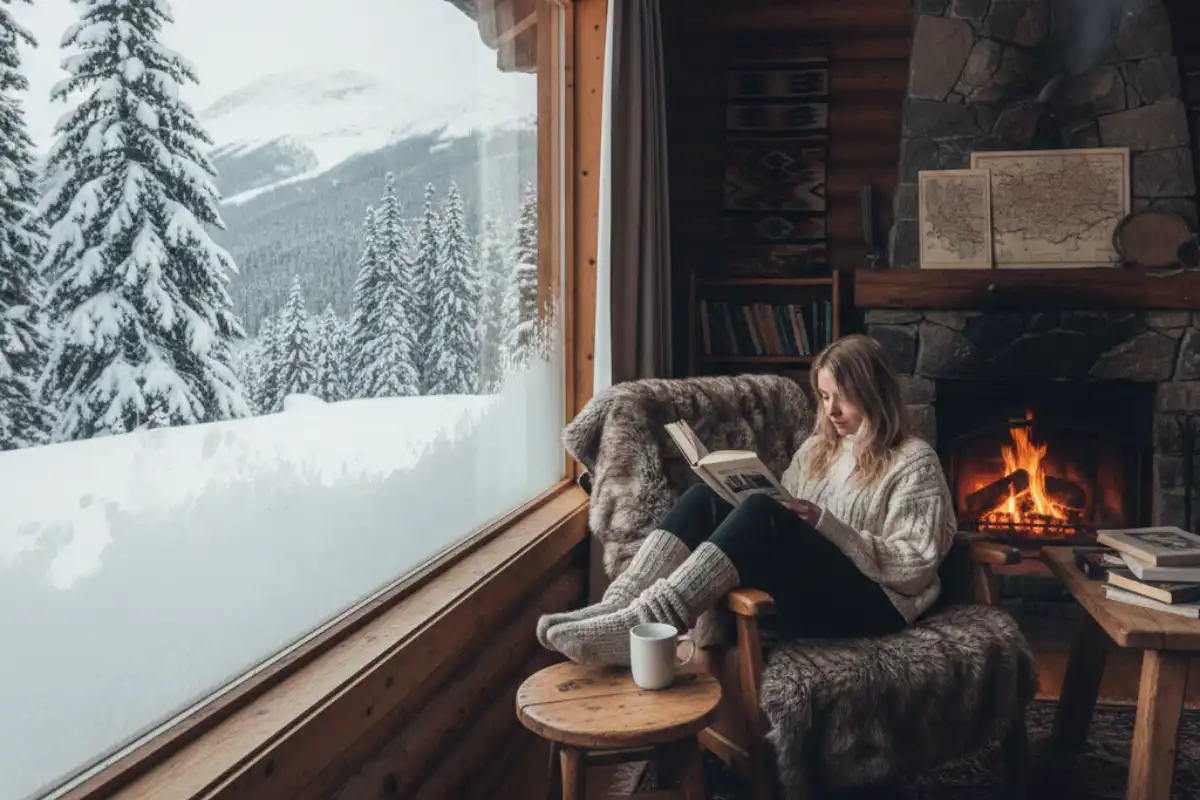
- **The Vibe:** Remote mountain cabins, cozy coastal towns (outside of peak summer season), or wellness centers specializing in silence.
- **Traveler Insight:** “The biggest lesson I learned when traveling for burnout was to do nothing. I booked a small cottage in rural Vermont with limited Wi-Fi. The pressure to ‘see things’ vanished, and I finally allowed myself to sleep 10 hours a night and just stare out the window. That boredom was the healing.” (Source: Mental Wellness Blog)
2. Mandatory Digital Detox
The primary driver of burnout is often the inability to switch off. A recovery trip must tackle this head-on.
- **The Rule:** Choose accommodation with poor or non-existent Wi-Fi, or deliberately leave work devices at home. Inform colleagues and clients that you will be unavailable.
- **Replacement Activities:** Fill the time with analog activities: reading physical books, journaling, drawing, or non-demanding physical activity like gentle walking.
3. Embrace Warmth and Comfort (Hygge)
Seek out destinations and accommodations that prioritize **cozy comfort** and sensory pleasure.
- **Amenities to Look For:** Hostels or retreats with fireplaces, natural hot springs (Iceland, Japan), or saunas (Finland). These elements encourage deep relaxation and physical warmth, which is grounding in the cold season.
Ideal Winter Destinations for Healing 🏞️
Certain regions are naturally suited for restorative winter travel:
1. Nordic Countries (Finland, Norway)
The concepts of *hygge* (Danish) and *kalsarikännit* (Finnish, drinking at home in your underwear) emphasize cozy indoor life. The sheer quiet and safety of the environment promote relaxation.
- **Focus:** Sauna therapy, long walks in the snow, and enjoying the soft light of the short winter days.
2. Hot Springs and Spa Towns (e.g., Japan, Hungary, Iceland)
Physical exhaustion is a key component of burnout. Combining travel with mineral-rich hot springs provides deep physical restoration.
- **Focus:** Low-impact therapy, thermal bathing, and simple, restorative routines.
3. Desert or Dry Climate Escapes (e.g., Arizona, Morocco)
If the cold exacerbates stress, seeking out dry, mild winter climates offers an alternative form of stillness. The desert landscape provides a vast, clear view, helpful for clearing the mind.
Frequently Asked Questions About Burnout Recovery Travel
How long should a recovery trip last for burnout?
A minimum of **7 to 10 days** is recommended. The first few days are usually spent decompressing and dealing with the initial shock of stopping. True mental rest and progress often only begin in the second half of the trip.
Should I book a structured retreat or travel independently?
If you find it difficult to self-regulate or stop working, a **structured, silent retreat** (meditation or yoga) can provide the necessary external boundaries. If you need complete autonomy and hate schedules, independent travel with a focus on remote accommodation is better.
Is it necessary to travel alone for burnout recovery?
Traveling alone is often recommended as it eliminates the social pressure and demands of partners or friends. If you travel with someone, they must be fully aware that the trip’s purpose is your recovery and be prepared to allow you significant periods of silence and solitude.
What should I do if I feel guilty about taking so much time off?
Guilt is a common symptom of burnout. Reframe the trip not as a luxury, but as a **necessary preventative measure** against total mental breakdown. View it as an investment in your future health and productivity, similar to taking sick leave for a physical illness.
Should I try to catch up on sleep before my trip starts?
Don’t worry about pre-trip sleep; the best place to recover chronic sleep debt is during the trip itself. Allow yourself to sleep as much as your body demands in the first few days often 10 to 12 hours initially.
Conclusion: Embracing the Pause 🌟
A winter recovery trip is a profound act of self-care. By deliberately seeking out the quiet, cold season, prioritizing digital disconnection, and choosing settings that promote comfort and stillness, you create the optimal conditions for healing. The winter landscape offers a physical representation of the necessary pause, reminding you that just as nature rests, so too must the human mind and body.