Wild Camping Tips for Beginners
Wild camping, or dispersed camping, offers an unparalleled sense of freedom and connection with nature, allowing you to set up your temporary home far from crowded campsites and RV parks. However, this freedom comes with significant responsibility. Unlike established campgrounds, wild camping demands a high level of **self-sufficiency, respect for the land, and adherence to local laws**. For beginners, the greatest challenge lies in balancing the desire for solitude with the practicalities of safety and environmental ethics.
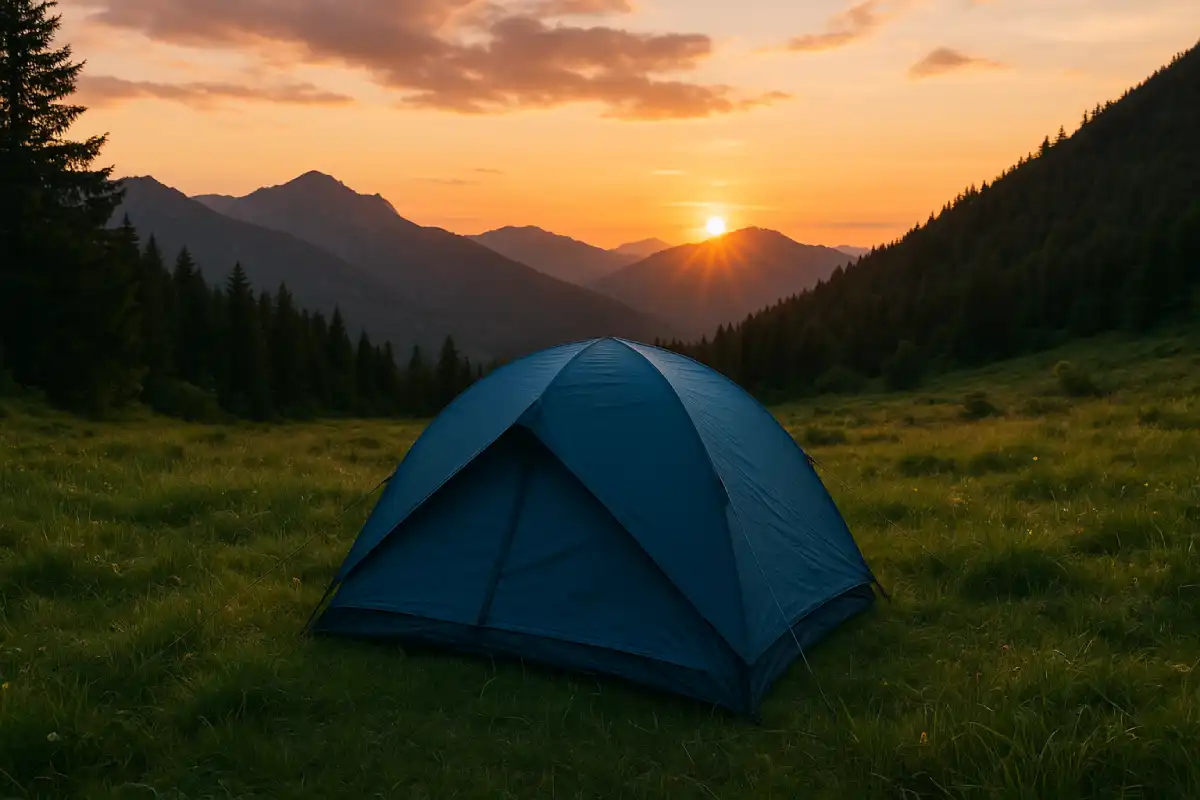
Legal, Ethical, and Safety Prep 🗺️
Before packing a single piece of gear, you must understand the rules of the road (or the trail).
1. The Law and Leave No Trace (LNT)
Wild camping is legally complex. You must know where you are allowed to pitch your tent:
- **Check Local Regulations:** In many regions (especially Europe and private lands), wild camping is illegal or highly restricted. Research the specific **country, state, or national park rules**. Look for land managed by the Bureau of Land Management (BLM) or National Forests, which often allow dispersed camping.
- **Leave No Trace (LNT):** The cornerstone of ethical wild camping. Always camp **at least 200 feet (about 70 paces)** from water sources, trails, and roads. Pack out *all* trash, human waste (bury it 6-8 inches deep), and food scraps. The goal is to make your site indistinguishable from the surrounding wilderness when you leave.
2. Essential Safety Gear and Communication
Self-sufficiency means bringing the right tools for emergencies:
- **Navigation:** Never rely solely on your phone. Carry a **physical map and compass** and know how to use them. Download offline maps (like Maps.me or Gaia GPS) as a digital backup.
- **First-Aid and Emergency Kit:** Pack a comprehensive first-aid kit that includes supplies for blisters, wounds, and allergic reactions. Carry a personal locator beacon (PLB) or satellite messenger (Garmin InReach) if hiking in remote areas without cell service.
Experienced Backpacker’s Warning: Clara T., Wilderness Safety Journal
“Newcomers often forget about **animal safety and food storage**. Never, ever keep food in your tent. In bear country, use a bear canister or a bear bag hung properly at least 10 feet up and 4 feet away from the tree trunk. In all other areas, keep food sealed and out of reach of rodents and smaller critters. It’s for their safety as much as yours.”
Site Selection and Stealth Camping 🤫
Finding the perfect spot is a skill it needs to be safe, comfortable, and discreet.
1. The “Invisible” Campsite
The goal is to minimize your presence and impact:
- **Pitch Late, Leave Early (PLE):** This is the golden rule for stealth camping near civilization. Arrive just before sunset (when visibility is low) and pack up and leave shortly after sunrise.
- **Avoid Established Sites:** Look for durable surfaces gravel, dry grass, or bare soil. Avoid pitching on fragile vegetation (like moss or alpine meadows) as your presence leaves long-lasting marks.
- **Natural Shelters:** Look for existing natural windbreaks, such as rock outcrops or a thick grove of trees. These save you energy and offer protection. Avoid the bottom of valleys or dry riverbeds, which are colder and vulnerable to flash floods.
2. Campfire and Water Management
Fires are often discouraged or banned in wild camping areas:
- **Stove First:** Always plan to cook on a lightweight camping stove. If fires are permitted, use an **existing fire pit** or ring whenever possible. Never build a fire ring out of rocks in a pristine area.
- **Water Filtering:** Do not rely on finding potable water. Carry a **reliable water filter or purification tablets** to safely treat water from streams or lakes. Boil water vigorously for at least one minute as a backup.
Long-Term Wild Camper’s Tip: Dan H., Reddit r/WildCamping Community
“If you’re backpacking in the rain, when you pack up, turn your tent inside out and hang it over your backpack for the first few miles of hiking. The movement and sun will wick away most of the moisture, preventing mold and reducing the overall weight you carry. Never put a soaking wet tent directly into your pack if you can avoid it.”
Frequently Asked Questions About Wild Camping
What is the single most important piece of gear for wild camping?
A **reliable sleeping pad**. While a tent and sleeping bag keep you covered, the sleeping pad provides the crucial insulation barrier between your body and the cold ground (conduction). Without adequate ground insulation, you will lose heat and be miserable, regardless of your sleeping bag’s rating.
How do I safely handle human waste in the wild?
Follow the LNT principle: dig a **cathole** 6 to 8 inches deep and at least 200 feet from water, camp, or trails. Use a trowel for digging. Bury the waste and cover the hole with the original soil and natural materials. Pack out *all* toilet paper and hygiene products in a sealed bag.
Is it better to wild camp alone or with a partner?
For beginners, it is highly recommended to start with at least one **experienced partner**. A partner helps distribute weight, shares the burden of navigation and emergencies, and provides comfort. Once you master the essential skills, solo wild camping can be considered.
What is the biggest difference between designated camping and wild camping?
The difference is the **infrastructure and responsibility**. Designated campsites offer amenities (water, toilets, designated fire rings) and assume some risk management. Wild camping offers none of this; you are completely responsible for all water, waste, safety, and environmental impact.
How can I ensure my tent is not visible to others?
Choose natural colors for your gear (green, brown, gray). Pitch your tent behind natural screens like dense bushes, large rocks, or stands of trees. Avoid ridges or open meadows. If you are near a trail, be sure there is no line of sight from the trail to your tent, especially from a distance.
Conclusion: Respect the Wilderness, Embrace the Freedom
Wild camping is an immensely rewarding challenge, offering true escape and self-reliance. Success is built on preparation: knowing the law, carrying the right emergency gear, and internalizing the discipline of Leave No Trace. By prioritizing ethical stewardship and mastering basic survival skills, you ensure your time in the wilderness is not only safe and comfortable but also sustainable, leaving the natural world untouched for the next traveler to enjoy.