Where to find mulled wine festivals
The quest for the perfect cup of **mulled wine** is a primary motivation for winter travel, particularly across Europe. Mulled wine known by names like **Glühwein** (German/Austrian), **Vin Chaud** (French), or **Glögg** (Nordic) isn't just a drink; it's the centerpiece of many festive traditions. While specific, large-scale "Mulled Wine Festivals" are rare, the drink forms the backbone of the ubiquitous and highly celebrated **Christmas Market** culture, which dominates the winter travel scene from late November through December.
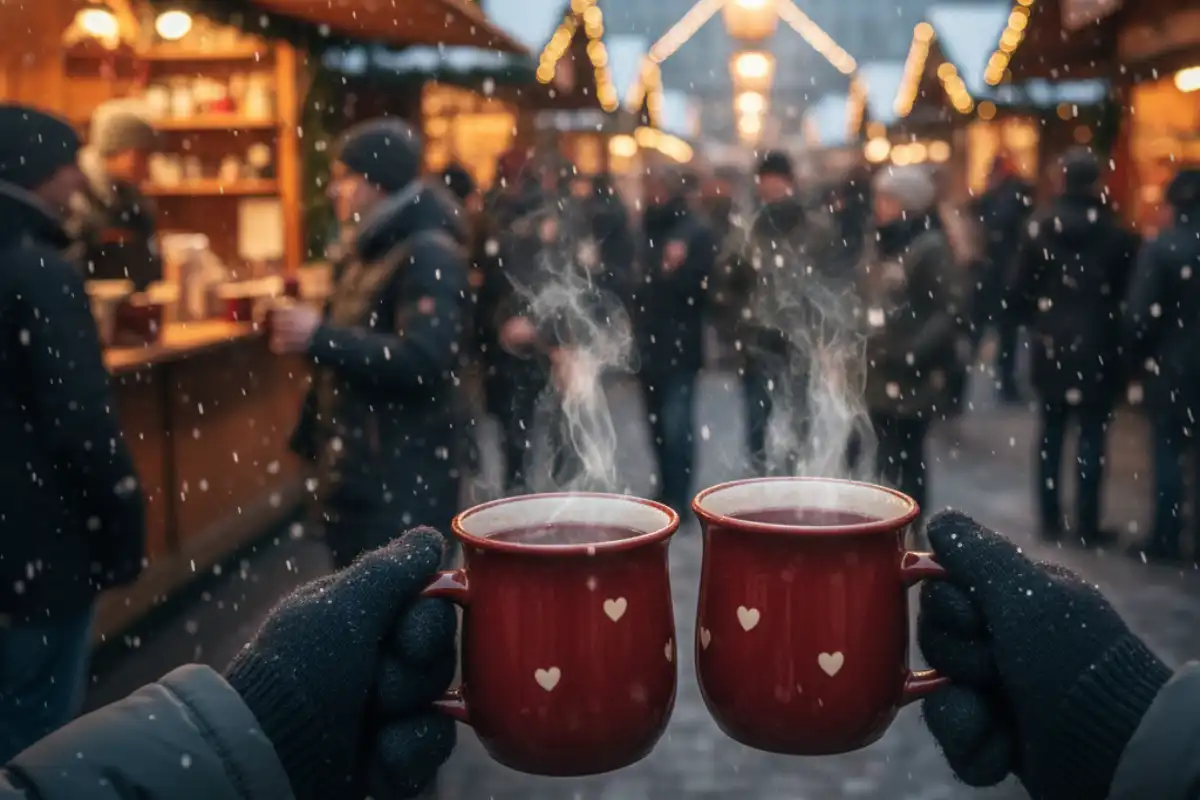
The European Christmas Market Circuit
This is the definitive global destination for mulled wine. The markets are essentially month-long festivals centered around holiday commerce, seasonal food, and copious amounts of spiced, hot beverages.
1. Germany and Austria: The Glühwein Heartlands 🇩🇪🇦🇹
Germany is the birthplace of the modern Christmas Market and, consequently, the champion of Glühwein. Here, it’s not just red wine; you can find specialized types:
- **Feuerzangenbowle:** A dramatic variant where a rum-soaked sugar cone is lit on fire and drips into the mulled wine below. Highly theatrical and potent.
- **Weißer Glühwein:** White mulled wine, a refreshing alternative often found in wine regions like the Mosel Valley.
- **Best Markets:** Nuremberg (Germany), Vienna (Austria), and Strasbourg (France, for its German influence).
2. France and Switzerland: Vin Chaud and Alpine Warmth 🇨🇭🇫🇷
In France and French-speaking Switzerland, the drink is **Vin Chaud**. It tends to be lighter on the spices and often features citrus notes.
- **Location Highlight:** The markets in the French Alps (like Chamonix or Annecy) offer the atmospheric pairing of sipping Vin Chaud while surrounded by snow-capped peaks.
3. Nordic Regions: The Glögg Tradition 🇸🇪🇳🇴
Nordic Glögg is stronger and often includes fortified wine (like port or sherry) and is traditionally served with raisins and blanched almonds inside the mug. The experience is more concentrated and sweet.
- **Must-Visit:** The markets in Stockholm and Copenhagen offer beautiful settings with cozy cabin stalls serving the rich Glögg.
Beyond Europe: Global Mulled Wine Finds
While European markets are the primary source, the tradition has spread, appearing in local winter festivals worldwide.
- **North America:** Look for major metropolitan holiday markets (e.g., Chicago, New York City, Toronto). They often replicate the European style and serve both Glühwein and ciders.
- **Ski Resorts:** Any major ski resort globally, from the Rockies to the Andes, will offer some form of mulled wine or hot toddy as a standard après-ski beverage, though it may not be part of a formal “festival.”
Experienced Market Traveler’s Advice: The Mug Deposit
“When you buy Glühwein at a European market, you pay a deposit (*Pfand*) for the ceramic mug (often €3–€5). **Don’t lose your mug!** It’s not just a deposit; the souvenir mug itself is often specific to the city or market and makes a fantastic, low-cost souvenir. If you collect them, you’ll have a permanent reminder of your travels. Just be ready to carry the mugs home safely!” (Source: European Backpacking Blog)
Timing and Logistics
To experience mulled wine festivals in their prime, timing is crucial:
- **When to Go:** The vast majority of Christmas Markets run from the **last week of November until December 23rd or 24th**. Traveling in the first two weeks of December offers the best balance of atmosphere and slightly smaller crowds.
- **What to Try:** Don’t limit yourself to the red wine variety. Search for **Eierpunsch** (a warm, eggnog-like punch) or spiced hot ciders, which are often sold at the same stalls.
Frequently Asked Questions About Mulled Wine Festivals
What is the difference between Glühwein and Glögg?
Glühwein (German) is typically a red wine base spiced with cinnamon, cloves, and citrus. Glögg (Nordic) is usually richer and stronger, often including a higher-proof spirit (like vodka or aquavit) and served with raisins and almonds in the cup.
Are the mulled wine mugs always different at each market?
Yes. Most major Christmas Markets commission a unique mug design each year, often featuring the city skyline or a famous landmark. These unique mugs are a major collector’s item and serve as an excellent souvenir for travelers.
Can I find non-alcoholic mulled wine at these festivals?
Absolutely. Almost every stall serving mulled wine also offers a non-alcoholic equivalent, usually called **Kinderpunsch** (Children’s Punch) or simply hot cider. This allows everyone to participate in the warming tradition.
Are Christmas Markets open after December 25th?
Most traditional, major Christmas Markets (especially in Germany and Austria) close on December 23rd or 24th. However, some large cities run smaller, New Year-themed markets (*Neujahrsmarkt*) that may serve mulled drinks well into early January.
Is mulled wine available outside of Europe?
Yes. The tradition has been adopted by winter resorts and holiday fairs worldwide, particularly in North America, where it’s a popular offering at ski lodge bars and contemporary seasonal craft fairs.
Conclusion: The Ultimate Winter Warmer 🌟
The best place to find a mulled wine festival is firmly within the charming stalls of a European Christmas Market. By identifying the regional variations from potent Glögg to theatrical Feuerzangenbowle and timing your trip for late November or early December, you can ensure a deep dive into this cozy, centuries-old winter tradition. Don’t forget to grab your unique souvenir mug!