Volunteering during winter travel
The colder months, particularly the holiday season, bring about a heightened need for assistance globally, making winter an ideal time for **purposeful travel and volunteering**. While summer volunteering often focuses on physical building or agricultural work, winter volunteer roles pivot toward humanitarian aid, animal care, and conservation projects that address the specific challenges created by cold weather and decreased sunlight. Choosing to volunteer during your winter trip transforms a simple vacation into a meaningful contribution, often offering deeper cultural immersion than traditional tourism.
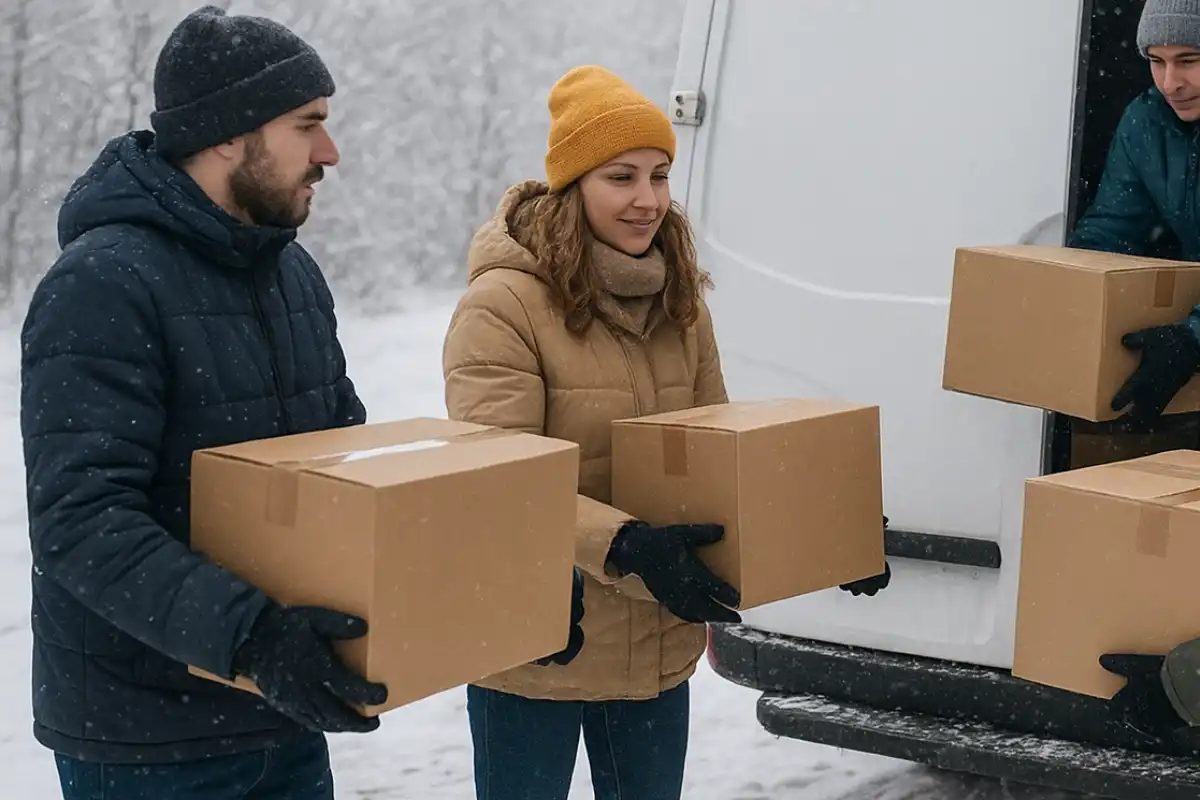
High-Impact Winter Volunteer Sectors
Specific needs emerge when temperatures drop, creating critical volunteer roles:
1. Humanitarian Aid and Shelter Support
This sector is critical during winter in any region that experiences cold weather. Volunteer work typically involves:
- **Homeless Shelters:** Assisting with meal services, overnight supervision, or sorting warm clothing donations.
- **Food Banks:** The demand for food assistance spikes during the holidays and cold weather. Volunteers are needed for inventory management and distribution.
2. Wildlife Conservation and Rescue
Animals often struggle to find food and warmth in severe winter conditions. Volunteer work includes:
- **Animal Shelters:** Providing essential warmth, cleaning, and feeding, especially when staff are stretched thin during holidays.
- **Winter Trail Maintenance:** Helping conservation groups clear snow and maintain paths, often in exchange for basic accommodation in remote areas.
A frequent volunteer stated: “We helped a German shelter during Christmas, mostly walking dogs and cleaning kennels. It was simple work, but the shelter staff were so grateful for the holiday coverage. It felt like a much deeper connection to the local community than just seeing the sights.” (Source: Global Volunteer Network Review)
3. Ecotourism and Hostelry
Many hostels, eco-lodges, and family farms (using platforms like **WWOOF** or **Workaway**) need help during the quieter winter months, offering room and board in exchange for light duties (cleaning, maintenance, minor administrative tasks). This is often a low-cost way to travel.
Ethical Considerations and Preparation
Ethical volunteering involves ensuring your presence is helpful, not just temporary tourism.
1. Vet the Organization
Avoid “voluntourism” agencies that charge exorbitant fees and provide minimal local benefit. Look for direct partnerships with small, local NGOs or charities that can clearly articulate how their winter needs align with your skills.
2. Pack Smart for the Work
Your packing list must prioritize durable, warm, and waterproof clothing over fashionable travel wear. You will be outdoors, cold, or working in demanding indoor environments.
Solo Traveler’s Tip: Use Online Platforms
“For short-term placements (1–3 weeks), I use platforms like **Workaway** or **HelpX** to find hosts who need immediate, temporary winter help, especially those running ski hostels or remote guesthouses. This drastically reduces accommodation costs and provides a warm place to stay, making a typically expensive winter trip budget-friendly.” (Source: Ethical Solo Travel Guide)
Logistical Challenges of Cold-Weather Volunteering
- **Reduced Daylight Hours:** Work shifts are often more concentrated during the short daylight hours. Be prepared for early mornings and cold exposure.
- **Transportation:** Snow and ice can disrupt transport. Choose placements near reliable public transit or ensure the host provides guaranteed transport.
- **Flu Season:** Exposure to illness is higher when working closely with people in shelters or aid centers. Ensure you are up-to-date on all vaccinations and pack extra sanitizer.
Frequently Asked Questions About Winter Volunteering
Do I need specific skills to volunteer in winter?
Not always. Many essential roles like sorting donations, serving meals, or light maintenance—require enthusiasm and reliability more than specific skills. However, specialized skills (medical, administrative, trade skills) are highly valued by smaller organizations.
Is it possible to volunteer just for a few days during the holidays?
Yes, especially with organizations that manage high seasonal demand, like urban food banks or soup kitchens. These often need extra short-term help between Christmas and New Year’s. Contact them directly well in advance (by October or November) to arrange a shift.
Will volunteering cover all my travel costs?
No. Most ethical placements, particularly those found via Workaway or WWOOF, offer free accommodation and meals in exchange for work hours. You are still responsible for your flights, travel insurance, and personal expenses. Be wary of expensive programs that promise too much.
Is winter a good time to volunteer in conservation?
It can be excellent, though the work changes. While summer focuses on planting, winter often involves crucial administrative work, monitoring wildlife migrations, checking fences, or preparing sites for the spring planting season. It offers a unique look into conservation planning.
What is the most crucial piece of gear for winter volunteering?
High-quality, waterproof, and insulated **footwear**. Since much of the work involves standing or walking in the cold, wet conditions, keeping your feet dry and warm is critical for comfort, health, and avoiding frostbite.
Conclusion: Travel with Purpose 🌎
Volunteering during winter travel is a profoundly rewarding way to experience a destination, offering practical help when it is often most needed. By seeking out legitimate, local organizations, prioritizing humanitarian and cold-weather focused roles, and arriving prepared for the physical demands of the season, you can ensure your winter journey is one that contributes positively to the world, leaving a memorable impact far greater than any tourist souvenir.