Tokyo on a Budget: Your Essential Guide to Affordable & Safe Travel in Japan’s Capital (July 2025)
Dreaming of neon lights and ancient temples without emptying your wallet? This comprehensive guide, updated for **July 2025**, will help you explore Tokyo affordably and safely, ensuring an unforgettable journey.
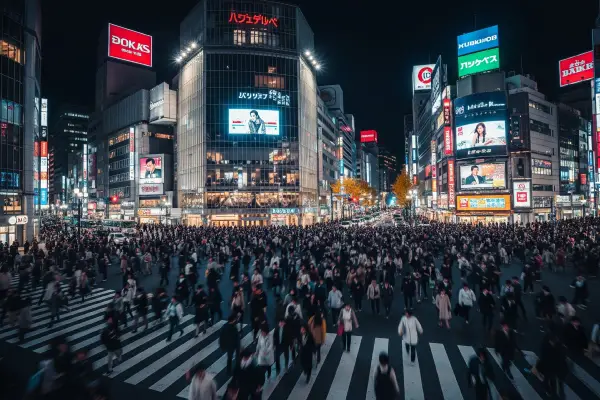
Embrace the Dynamic Spirit of Tokyo, Smartly
Tokyo is a city of astounding contrasts, where ancient traditions peacefully coexist with cutting-edge technology. While Japan often has a reputation for being expensive, Tokyo can be surprisingly affordable with smart planning. As of July 2025, the Japanese Yen has seen some fluctuations, which can sometimes work in favor of international travelers. This guide focuses on practical tips for budget accommodation, delicious cheap eats, efficient public transportation, and crucial safety advice to ensure your Tokyo adventure is both economical and worry-free.
1. Cost of Accommodation in Tokyo: Budget Options
Tokyo offers a wide range of budget accommodation, from modern hostels to unique capsule hotels. Prices can vary significantly based on location, amenities, and season. Booking well in advance is highly recommended, especially during popular travel periods (cherry blossom season, national holidays).
Hostel & Budget Hotel Prices by Area (Average per night for a dorm bed/single room, July 2025)
| Area | Description | Average Price (JPY/night) | Pros for Budget Travelers |
|---|---|---|---|
| **Asakusa** | Traditional Tokyo, close to Senso-ji Temple. | ¥3,000 – ¥5,000 (Dorm) ¥6,000 – ¥9,000 (Budget Single) |
Cultural charm, many traditional eateries, good transport. |
| **Ueno** | Museums, parks, zoo, transport hub. | ¥3,200 – ¥5,500 (Dorm) ¥6,500 – ¥9,500 (Budget Single) |
Convenient, many free attractions nearby, direct airport access. |
| **Taito-ku (general)** | Covers Asakusa, Ueno, Akihabara. Diverse, older Tokyo feel. | ¥3,000 – ¥5,000 (Dorm) ¥6,000 – ¥9,000 (Budget Single) |
Historically rich, great value, good transport. |
| **Shinjuku / Shibuya (closer to)** | Bustling, entertainment, shopping. More expensive. | ¥4,500 – ¥7,000 (Dorm) ¥8,000 – ¥12,000+ (Budget Single) |
Central, vibrant nightlife, major attractions, but higher prices. |
| **Ikebukuro** | Major transport hub, shopping, entertainment. | ¥3,500 – ¥6,000 (Dorm) ¥7,000 – ¥10,000 (Budget Single) |
Good balance of price and convenience, slightly less chaotic than Shinjuku/Shibuya. |
| **Capsule Hotels (various locations)** | Unique Japanese experience, very compact sleeping pods. | ¥3,500 – ¥6,500 | Novelty, often very clean and efficient, good for short stays. |
Note: Prices are estimates and can fluctuate based on booking in advance, specific hostel reputation, and seasonal demand. A strong Yen will make these prices higher in your local currency.
Tips for Saving on Accommodation:
- **Book Early:** Especially during peak seasons (Spring for Cherry Blossoms, Autumn for foliage) or major events.
- **Consider Capsule Hotels:** While compact, they offer a unique and often very clean and affordable experience for solo travelers or those on a tight budget.
- **Look for Hostels with Free Breakfast/Kitchen:** Saves on food costs. Many hostels in Tokyo are exceptionally clean and well-maintained.
- **”Business Hotels”:** These are often small, efficient, and well-priced, catering to business travelers but suitable for tourists. Look for chains like Toyoko Inn, APA Hotel, Dormy Inn.
- **Location vs. Price:** Don’t be afraid to stay a few Metro stops away from the absolute city center. Tokyo’s public transport is so efficient that a slightly longer commute for a cheaper bed is often worth it.
2. Cost of Food in Tokyo: Eating on a Budget
Tokyo is a foodie paradise, and you can eat incredibly well on a budget! From delicious street food to casual eateries, affordable options are everywhere.
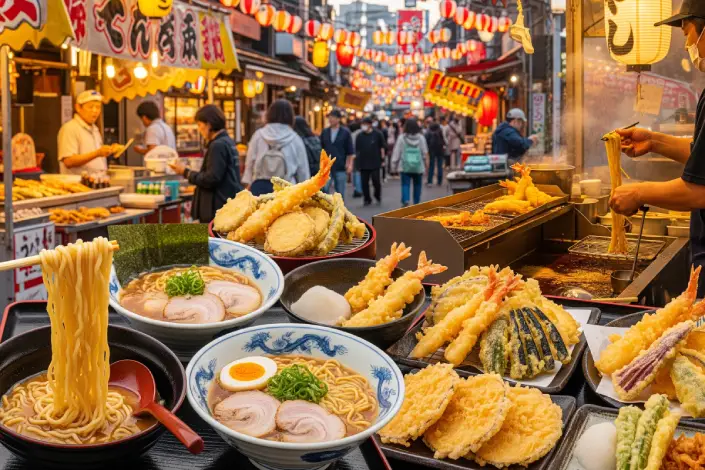
Enjoying authentic and delicious Japanese food doesn’t have to be expensive.
Estimated Budget Food Costs (July 2025):
- **Breakfast:** ¥300 – ¥800 (Convenience store Onigiri/sandwich + drink: ¥300-500; simple cafe toast set: ¥500-800)
- **Lunch:** ¥700 – ¥1,500 (Ramen, Udon, Soba, Gyudon bowl: ¥700-1000; “Teishoku” set meal: ¥1000-1500)
- **Dinner:** ¥1,000 – ¥2,500 (Casual restaurant meal: ¥1000-2000; Izakaya with drinks: ¥2000-3000)
- **Daily Budget for Food:** ¥2,500 – ¥4,500 (~$16 – $29 USD, assuming 1 USD = 155 JPY) if you mix and match wisely.
Budget Eating Tips:
- **Convenience Stores (Konbini):** Your absolute best friend! Lawson, FamilyMart, 7-Eleven offer high-quality, fresh, and incredibly affordable food (onigiri, sandwiches, bento boxes, hot snacks, drinks). Perfect for breakfast or a quick lunch/dinner.
- **Ramen, Udon, Soba Shops:** Many excellent noodle shops offer full, satisfying meals for under ¥1000. Look for ticket vending machines outside (often with pictures) to order.
- **Gyudon/Donburi Chains:** Yoshinoya, Sukiya, Matsuya serve quick, cheap, and tasty rice bowls with beef, chicken, or other toppings.
- **Supermarkets:** Similar to convenience stores, but often with wider selections of fresh produce, ready-made meals, and discounts towards closing time.
- **Depachika (Department Store Basements):** Food halls in department stores (like Isetan, Takashimaya) offer incredible prepared foods, often with discounts in the evening before closing. Great for high-quality, discounted dinner.
- **”Set Meals” (Teishoku):** Many casual restaurants offer fixed-price set meals for lunch or dinner, providing great value.
- **Street Food:** While less prevalent than in other Asian countries, areas like Ameyoko in Ueno or local festivals offer affordable and delicious snacks.
- **Drink Water:** Japan’s tap water is safe to drink. Carry a reusable bottle to refill and save on bottled drinks.
3. Cost of Public Transportation in Tokyo
Tokyo’s public transport system (Metro, JR trains, private lines) is world-class: efficient, punctual, and incredibly comprehensive. It’s the best way to get around and essential for budget travel.
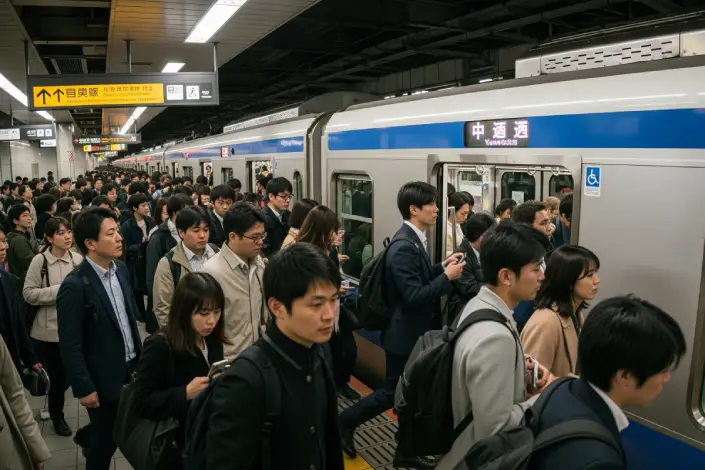
Tokyo’s public transportation is famously efficient and punctual.
Fares (As of July 2025, subject to minor changes):
- **Single Fare:** Varies by distance and line, starting from around ¥140-¥180 for short distances.
- **IC Cards (Suica or Pasmo):** Highly recommended! These rechargeable smart cards (available for purchase at ticket machines with a ¥500 refundable deposit) allow seamless travel on almost all trains and subways in Tokyo (and major cities across Japan). Just tap and go. They save time and simplify calculations.
- No discount per ride, but incredibly convenient.
- Can also be used for purchases at many convenience stores, vending machines, and some shops.
- **Tokyo Metro 24/48/72-hour Pass:** Offers unlimited rides on Tokyo Metro and Toei Subway lines (not JR lines).
- **24-hour:** Around ¥800
- **48-hour:** Around ¥1,200
- **72-hour:** Around ¥1,500
- **Japan Rail Pass:** Generally **NOT recommended for travel solely within Tokyo**. It’s designed for long-distance travel across Japan. Within Tokyo, the Tokyo Metro/Toei Subway passes or an IC card are better.
Tips for Transportation:
- **Get an IC Card:** Suica or Pasmo are practically mandatory for convenience. You can pick them up at major train stations.
- **Google Maps/Japan Transit Planner:** Essential apps for navigating Tokyo’s complex network. They provide exact routes, timings, and fare breakdowns.
- **Understand JR vs. Metro/Subway:** Tokyo has multiple train companies. JR (Japan Railways) operates the Yamanote Line (loop line connecting major hubs like Shinjuku, Shibuya, Tokyo Station), which is often covered by the JR Pass. Metro/Subway lines cover other areas. Your IC card works across all.
- **Walk When Possible:** Tokyo is walkable, especially within districts. You’ll discover more by exploring on foot.
- **Avoid Rush Hour:** Try to avoid commuting during peak hours (7:30 AM – 9:00 AM and 5:00 PM – 7:00 PM) to avoid extremely crowded trains.
4. Safety in Tokyo: Dangers, Scams, and Areas to Be Cautious
Japan is consistently ranked as one of the safest countries in the world, and Tokyo reflects this. Violent crime against tourists is extremely rare. However, like any major city, some minor risks and specific scams exist, primarily targeting tourists in entertainment districts.
Common Dangers & Scams:
- **”Gaijin Hunters” / Bar Scams (mainly Shinjuku Kabukicho, Shibuya):** This is the most significant scam. Individuals (often touts or “recruiters”) approach foreign tourists, offering free drinks, discounted entry to bars, or escort services. You are then taken to a hidden bar, given heavily watered-down or drugged drinks, and presented with an astronomical bill (thousands of dollars).
- **Avoid:** Politely but firmly decline any offers from touts on the street, especially in Kabukicho or other red-light districts. Never follow someone into a bar you haven’t researched. Stick to established, well-reviewed venues.
- **Pickpocketing (rare, but possible in crowded areas):** While far less common than in European cities, it can happen in extremely crowded places like Shibuya Crossing, crowded trains during rush hour, or major festivals. Be vigilant, but don’t be overly paranoid.
- **”Friendship Bracelet” or “Tea Ceremony” Scams:** Very rare in Tokyo, but occasionally reported near major temples (like Senso-ji in Asakusa). Similar to European versions, where someone might try to give you something and then demand money. Polite but firm refusal is key.
- **Overpriced Souvenirs:** Not a scam, but some tourist shops near popular spots might inflate prices. Shop around.
- **Fraudulent Wifi Devices:** Be cautious of street vendors offering “free wifi” devices that might try to charge you later or install malware. Stick to official pocket wifi rentals or SIM cards.
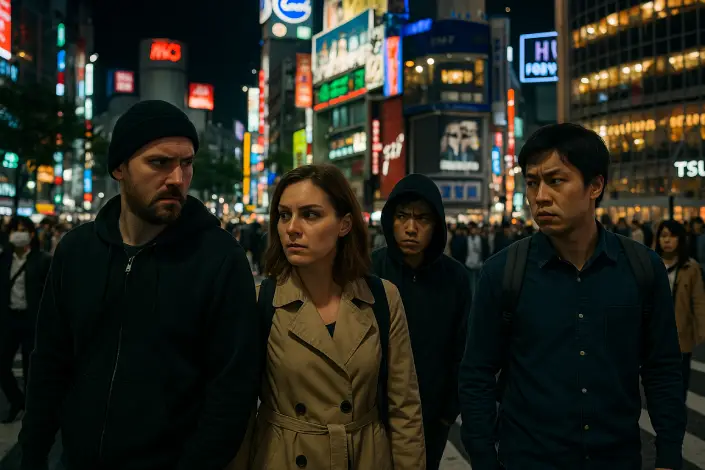
Areas Where Caution is Advised (mainly specific situations within these areas):
- **Shinjuku Kabukicho:** This is Tokyo’s largest red-light district. While generally safe to walk through, especially earlier in the evening, avoid engaging with touts offering drinks, “massages,” or other services. This is where most bar scams occur.
- **Roppingi (especially late at night):** Known for its nightlife with many bars and clubs. While popular with foreigners, late at night, a small number of illicit establishments might try to overcharge or use aggressive tactics. Stick to well-known establishments.
- **Very Crowded Train Stations/Events:** Places like Shibuya Crossing, Shinjuku Station, Ueno Park during cherry blossom season, or major festival grounds can be extremely packed. While violent crime is negligible, be mindful of your personal space and belongings due to sheer volume of people.
General Safety Advice:
- **Japan is very safe:** Relax, but remain aware. You’re unlikely to encounter significant crime.
- **Leave Touts Alone:** The golden rule in entertainment districts. Do not engage. A polite but firm “No, thank you” (結構です – Kekkou desu) and walking away is sufficient.
- **Carry Minimal Valuables:** While petty theft is rare, only carry what you need for the day.
- **Use Hotel Safes:** Store passports, extra cash, and valuables securely.
- **Emergency Numbers:** 110 (Police), 119 (Fire/Ambulance). Dialing 110 usually connects you to English-speaking operators.
- **Politeness and Respect:** Japanese culture values politeness. Being respectful (bowing slightly, saying “arigato gozaimasu”) can enhance interactions.
- **Lost & Found:** If you lose something, chances are very high you will get it back. Report it to the nearest police box (Koban) or train station staff.
5. Tips for a Positive Tokyo Experience
To truly embrace Tokyo and make your trip unforgettable, keep these cultural and practical tips in mind:
- **Learn Basic Japanese Phrases:** “Arigato gozaimasu” (Thank you), “Sumimasen” (Excuse me/Sorry), “Konnichiwa” (Hello), “Ohayo gozaimasu” (Good morning), “Onegaishimasu” (Please/My pleasure) will go a long way and are highly appreciated.
- **Embrace the Vending Machines:** Japan’s vending machines offer everything from hot and cold drinks to snacks and even full meals. They are everywhere and convenient.
- **Be Mindful of Etiquette:**
- **No Tipping:** Tipping is not customary and can even be considered rude.
- **Quiet on Trains:** Avoid loud conversations or phone calls on public transport.
- **Queue Neatly:** Japanese queues are orderly.
- **Shoes:** Remove your shoes when entering homes, many traditional restaurants, temples, and some ryokans/hostels.
- **Explore Neighbourhoods:** Tokyo is a collection of diverse districts. Allocate time to explore beyond the main tourist spots – each has its own unique vibe (e.g., Yanaka for old Tokyo, Shimokitazawa for bohemian culture, Koenji for vintage shops).
- **Enjoy Free Attractions:** Many temples (like Senso-ji), parks (Shinjuku Gyoen National Garden – small fee, but worth it, or Imperial Palace East Garden – free), and even observatory decks (Tokyo Metropolitan Government Building) offer fantastic experiences without cost.
- **Visit 100-Yen Shops:** Daiso, Seria, Can Do offer a vast array of useful items, snacks, and souvenirs, all for around ¥100 (plus tax).
- **Use Cash:** While credit cards are increasingly accepted, cash is still king, especially at smaller shops, restaurants, and some temples. ATM access is generally good (7-Eleven ATMs are reliable).
- **Stay Hydrated:** Especially in summer, it can get very humid. Vending machines are your friend!
6. Tokyo Travel FAQs (July 2025)
Is Tokyo safe for solo female travelers in 2025?
Tokyo is exceptionally safe for solo female travelers. Serious crime is very rare. The main advice is to be aware of your surroundings in entertainment districts like Kabukicho at night and politely decline approaches from touts. Public transport is safe even late at night.
What’s the best time to visit Tokyo on a budget?
The shoulder seasons (late autumn: October-November, and late spring: April-May, avoiding Golden Week) generally offer good weather and fewer crowds than peak cherry blossom season (late March-early April). Winter (December-February) can also be budget-friendly with clear skies, though it gets cold.
Can I rely on English in Tokyo?
In major tourist areas, train stations, and international hotels, you’ll find English signs and staff who speak some English. However, outside these areas, English proficiency is not widespread. Having a translation app and knowing basic Japanese phrases will greatly enhance your experience.
How do I get from Narita (NRT) or Haneda (HND) airports to central Tokyo on a budget?
For Narita, the **Keisei Access Express** (to Ueno/Nippori) or **Keisei Main Line** (slower but cheaper) are budget-friendly. For Haneda, the **Keikyu Line** or **Tokyo Monorail** (connecting to JR Yamanote Line) are efficient and affordable. Limousine Bus services are convenient but more expensive.
Is it easy to find vegetarian/vegan food in Tokyo?
It can be challenging but is becoming easier. Traditional Japanese cuisine often uses dashi (fish broth). However, dedicated vegetarian/vegan restaurants are increasing, especially in popular areas like Shibuya, Shinjuku, and Harajuku. Apps like HappyCow are very useful. Learn phrases like “niku nashi” (no meat) and “gyunyu nashi” (no milk).
What is the etiquette for public baths (onsen/sento)?
Public baths are a fantastic experience! Key rules: You must wash thoroughly *before* entering the bath. No swimwear allowed; you bathe naked. Keep your small modesty towel out of the water. People with tattoos may be restricted at some, but more modern/tourist-friendly ones are becoming accommodating.
Should I get a Japan Rail Pass for Tokyo?
No, if you are only visiting Tokyo, a Japan Rail Pass is not economical. It is designed for extensive long-distance train travel across the country. For getting around Tokyo, an IC card (Suica/Pasmo) or a Tokyo Metro/Toei Subway pass is much more cost-effective.
Your Tokyo Adventure Awaits!
Tokyo is an extraordinary city that offers endless discoveries for every budget. With smart choices and these practical tips, you’re ready to dive into its vibrant culture, savor its unique flavors, and make unforgettable memories, all while staying within your budget.
Start Planning Your Tokyo Trip