Spring Photography Tips: Capturing Blossoms and Landscapes
Spring is perhaps the most rewarding yet challenging season for photographers. It is a time of rapid change, where the landscape transitions from the starkness of winter to a saturated explosion of life. However, capturing the true essence of spring requires more than just pointing a camera at a flower. It involves mastering the soft, unpredictable light, navigating the breeze, and understanding the delicate geometry of new growth. Whether you are using a professional DSLR or a high-end smartphone, the following techniques compiled from the wisdom of landscape professionals and community forums—will help you translate the seasonal magic into stunning visual stories.
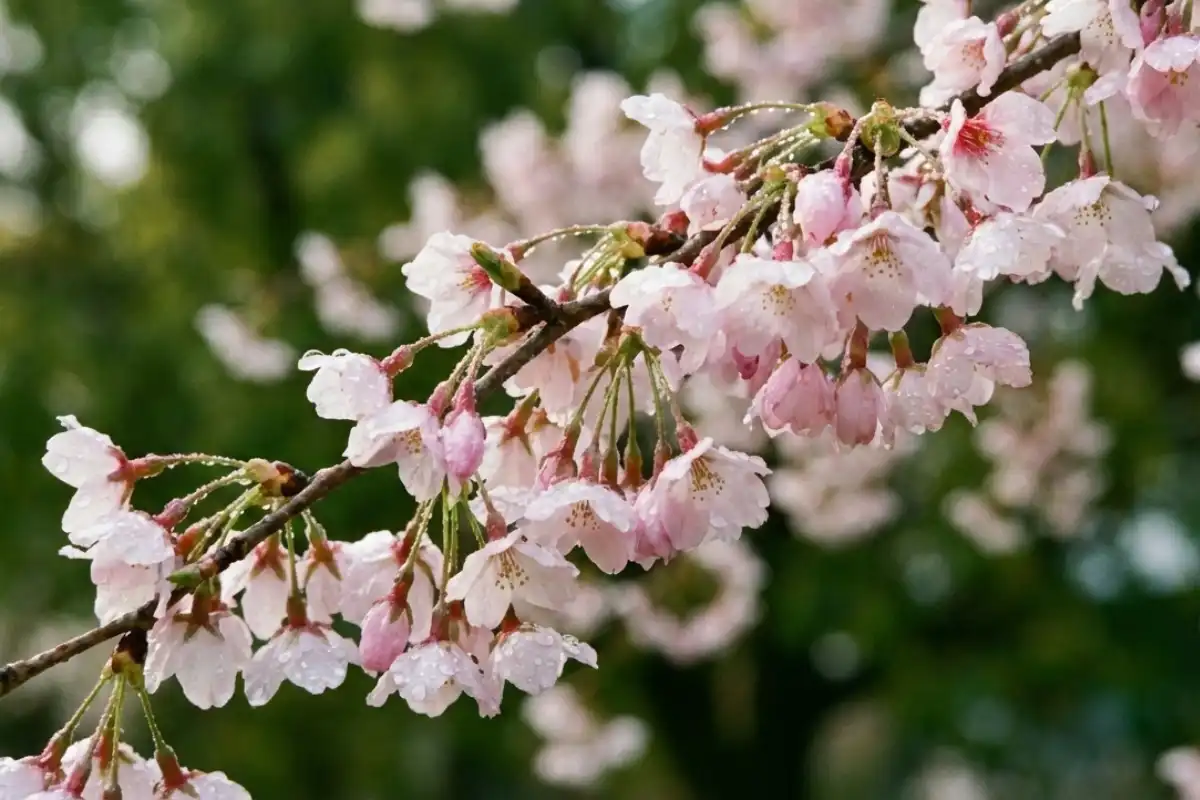
Mastering the Spring Palette: Light and Color
Spring light is famously soft, but it can also be incredibly flat on overcast days. To make your colors pop, you need to work with the sun, not against it.
- **The Golden Hour:** In spring, the sun stays lower in the sky for longer. Aim for the hour after sunrise or before sunset to catch “backlighting,” which makes translucent flower petals appear to glow from within.
- **Circular Polarizers:** Many pros on DPRewiew forums swear by polarizers in spring. They remove the glare from waxy leaves and deepen the blue of the sky, creating a rich contrast with white or pink blossoms.
- **White Balance:** Auto white balance often struggles with vast fields of a single color. Switch to the ‘Cloudy’ or ‘Shade’ preset to warm up your spring shots and avoid a clinical, bluish tint.
Getting Close: Macro and Detail Shots
The beauty of spring is often found in the details the structure of a tulip, the pollen on a bee, or dew drops on a blade of grass. You don’t always need a dedicated macro lens to achieve this effect.
Expert Tip: Use a wide aperture (a low f-number such as f/2.8 or f/4) to create a shallow depth of field. This blurs the background, making your subject stand out against a creamy, non-distracting canvas.
Insider Hack: The Plamp and Wind Control
One of the biggest frustrations mentioned on r/photography is the “spring breeze” ruining sharp close-ups. Pro macro photographers use a tool called a “Plamp” (plant clamp) to hold a stem steady without damaging it. If you don’t have one, use your camera bag as a windbreak or increase your shutter speed to at least 1/500 of a second to freeze the motion.
Spring Landscapes: Framing the Renewal
When shooting wide landscapes, look for “leading lines” created by rows of tulips, winding garden paths, or rivers swollen with snowmelt. These lines guide the viewer’s eye through the frame.
Don’t ignore the sky. Spring is known for dramatic “popcorn clouds” and fast-moving weather systems. A stormy sky over a bright field of yellow mustard or rapeseed creates a powerful, moody contrast that feels uniquely seasonal.
Frequently Asked Questions About Spring Photography
How do I prevent my flower photos from looking blurry?
Blurriness usually comes from wind or a shutter speed that is too slow. Use a tripod whenever possible. If you are hand-holding, ensure your shutter speed is at least 1/200. Also, use “Single Point AF” to ensure the camera focuses exactly on the stamen or the edge of a petal rather than the leaves behind it.
What is the best time of day to photograph blossoms?
Early morning is ideal. Not only is the light soft and golden, but the wind is usually at its calmest. Additionally, you may find natural dew on the flowers, which adds a professional “fresh” look to your shots.
Do I need a special lens for spring photography?
While a 100mm macro lens is the gold standard for flowers, a 70-200mm telephoto lens is excellent for “compressing” landscapes and creating beautiful bokeh. Even a standard 50mm “nifty fifty” can produce incredible spring portraits and flower studies.
How do I photograph white flowers without overexposing them?
White petals reflect a lot of light, often tricking the camera into overexposing. Use “Exposure Compensation” to dial it down by -0.3 or -0.7. Check your “Histogram” on the back of the screen to ensure the graph isn’t touching the far right edge (clipping the highlights).
Is it okay to photograph in the rain?
Rainy days are actually fantastic! The clouds act as a giant softbox, providing even light. Colors like green and pink become much more saturated when wet. Just ensure you use a rain cover for your gear and bring a microfiber cloth to wipe the lens.
Conclusion: Telling the Story of the Thaw 🌸
Spring photography is an exercise in patience and observation. It is about noticing the way light hits a single bud and how a landscape transforms under a passing storm. By focusing on lighting, controlling for the elements, and experimenting with your depth of field, you can capture the fleeting beauty of the season in a way that feels both timeless and fresh.