Spring in Rome: Outdoor Cafés and Ancient Wonders
Rome in March is a sensory masterpiece. As the winter chill fades, the "Eternal City" awakens with wisteria-draped ruins and the inviting hum of outdoor cafés in Piazza Navona. Spring 2026 is an ideal time to visit, offering mild temperatures and a vibrant atmosphere before the sweltering summer crowds arrive. While Rome is a global capital, experiencing its ancient wonders and romantic corners doesn't require a Caesar’s fortune. This guide focuses on smart budget strategies: from booking the best hostels in the Esquilino district to enjoying authentic "Aperitivo" culture like a local.
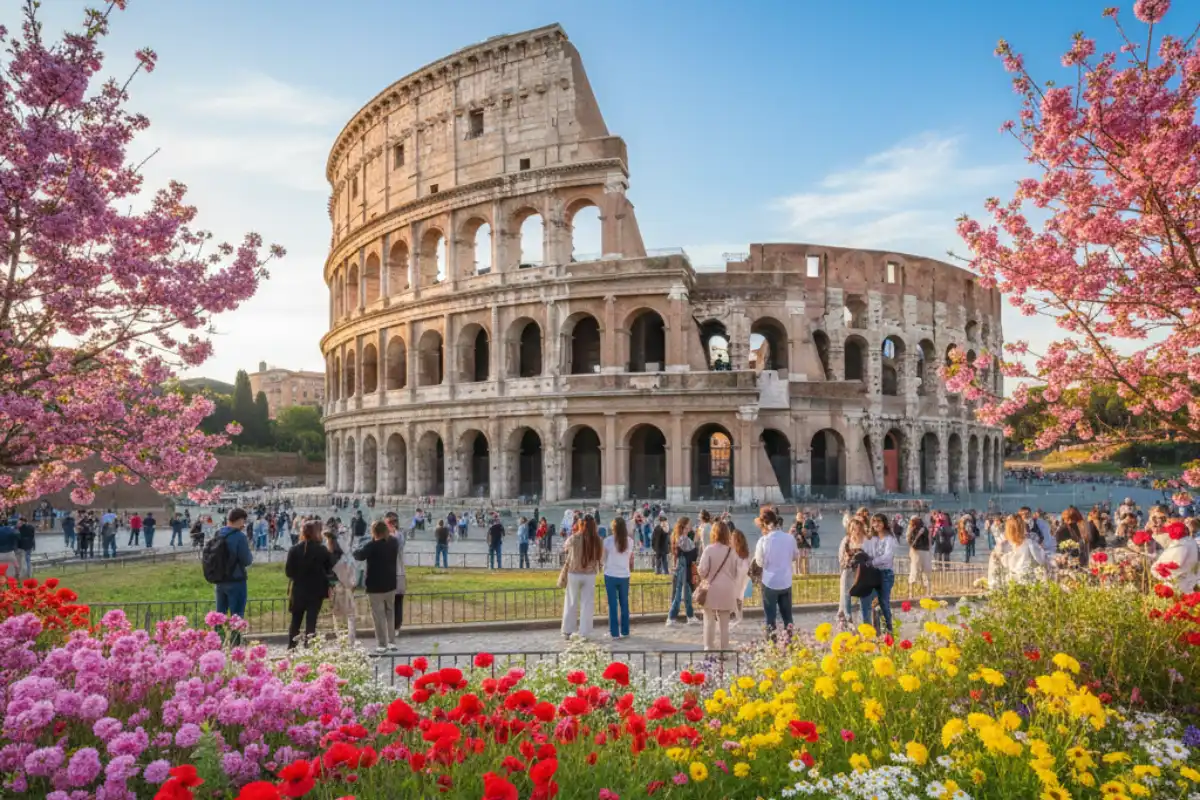
1. Where to Stay: Budget Districts & Hostel Prices (2026)
In 2026, Rome has seen a rise in “Flashpacking” hostels modern, social, and safe. To get the best value, focus on neighborhoods near Termini Station or the authentic Testaccio area.
| District / Area | Vibe & Atmosphere | Hostel Dorm (Avg. per night) | Budget Private (Avg. per night) |
|---|---|---|---|
| **Termini / Esquilino** | Transport hub, multicultural, best value. | **€30 – €45** | **€85 – €120** |
| **Trastevere** | Romantic, nightlife, narrow streets. | **€40 – €60** | **€110 – €150** |
| **San Lorenzo** | Student area, gritty, very affordable. | **€25 – €40** | **€75 – €105** |
| **Prati (near Vatican)** | Safe, residential, upscale but has hostels. | **€35 – €55** | **€95 – €135** |
Pro Tip: Rome’s City Tax for hostels is approximately **€3.50 – €5.00** per person, per night. This is often *not* included in the booking price, so keep some cash aside!
2. Eating Like a Roman: Budget Food and Cafés
Spring is the season of *Carciofi alla Romana* (Roman artichokes). You can eat world-class food for under **€40 a day** if you avoid the “tourist menu” signs.
- **Breakfast:** Stand at the bar for a *cornetto* and a *cappuccino*: **€3 – €5**. If you sit down at a terrace in a main piazza, the price can triple.
- **Lunch:** Grab a “Pizza al Taglio” (pizza by the slice). A generous portion costs **€6 – €10**. Alternatively, a *panino* from a local *Alimentari* is roughly **€7**.
- **Dinner:** Look for local trattorias. A classic pasta dish (Carbonara or Cacio e Pepe) costs **€12 – €16**. A house carafe of wine is usually **€8 – €12**.
- **Aperitivo:** Between 6:00 PM and 9:00 PM, many bars offer a drink and a buffet/snacks for a fixed price of **€12 – €18**. It’s a meal in itself!
3. Wonders & Entertainment: Spring Activities
Spring 2026 brings new outdoor exhibitions and extended hours for ancient sites. Rome is an open-air museum, and some of the best experiences are free.
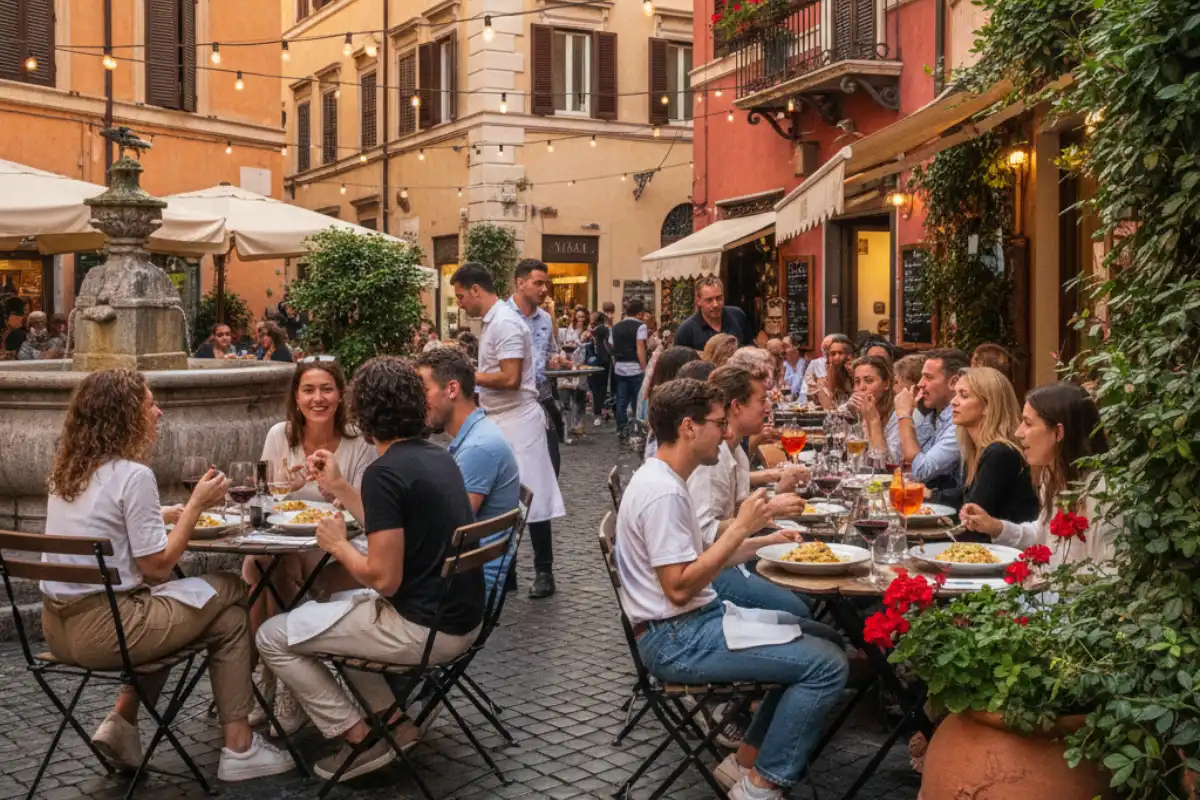
- **Colosseum, Roman Forum & Palatine Hill:** Combined ticket is approx. **€24 – €30**. Booking online in advance is mandatory in 2026.
- **Vatican Museums & Sistine Chapel:** **€20** entry + **€5** online booking fee. (Expect long security lines even with a ticket).
- **Galleria Borghese:** **€15 – €20**. You must book this weeks in advance!
- **Free Wonders:** The Pantheon (now requires a small **€5** entry fee for tourists), Trevi Fountain, and the Spanish Steps are free to admire.
- **Villa Borghese Gardens:** Free to enter. Rent a bike for **€12/hour** to explore the park in full bloom.
4. Getting Around: The ATAC Network
Rome is a walking city, but you’ll need the Metro or buses for longer stretches. In 2026, the “Tap & Go” system is universal across all lines.
- **Single Ride (BIT):** **€1.50** (valid for 100 minutes on all transport).
- **Roma 24H / 48H / 72H Tickets:** **€8.50 / €15.00 / €22.00**. Best if you plan to move across the city frequently.
- **Weekly Pass (CIS):** **€24.00**. Exceptional value for a 7-day stay.
- **Airport Transfer:** The Leonardo Express train from Fiumicino to Termini is **€14.00**. Taxis are a flat rate of **€50 – €55**.
5. Safety & Scams: Protecting Your Roman Holiday
Rome is generally safe, but its high volume of tourists makes it a playground for petty theft and clever scams.
- **The “Gladiators”:** Men in costume outside the Colosseum will offer a photo and then aggressively demand **€20 – €50**. Simply say “No” and keep moving.
- **The Friendship Bracelet:** Someone will try to tie a colorful thread on your wrist as a “gift” and then demand money. Keep your hands in your pockets.
- **Pickpockets on Bus 64:** This bus line (Termini to Vatican) is notorious. Keep your backpack in front of you and watch for groups of people “bumping” into you.
- **Fake Menus:** Avoid restaurants with “No Service Charge” signs that then add a massive “Coperto” (cover charge) or “Service” fee of 20% in fine print.
Areas to be cautious:** Exercise extra vigilance around **Termini Station** late at night and in the **Esquilino** neighborhood. The historic center is very safe but keep an eye on your bag in crowded piazzas.
6. Expert Tips for Positive Vibes
- **Hydrate for Free:** Rome has over 2,500 *nasoni* (nose fountains). The water is cold, fresh, and free. Carry a reusable bottle!
- **Dress for Ruins:** Ancient sites have uneven cobblestones. Leave the heels at home and wear sturdy, comfortable sneakers.
- **The “Sunday” Rule:** Many state museums are free on the first Sunday of the month. It will be crowded, so arrive at least 60 minutes before opening.
- **Go Underground:** Rome is built in layers. Visit the **San Clemente Basilica** to see three levels of history stacked on top of each other.
7. Frequently Asked Questions
Is Rome expensive in March?
March is the “shoulder season.” It is more expensive than winter but significantly cheaper than the June–August peak. You can find great deals on flights and hostels if you book 2–3 months ahead.
Do I need to tip in Rome?
Tipping is not mandatory. Restaurants often include a “Coperto” (cover charge). If the service was excellent, leaving a few extra Euros is appreciated, but not expected.
Can I visit the Vatican for free?
St. Peter’s Basilica is free to enter, though the line is long. The Vatican Museums are free only on the last Sunday of every month from 9:00 AM to 12:30 PM.
Is the tap water safe?
Yes, the water from Rome’s public fountains (nasoni) is some of the best in Europe. It is safe, tested, and perfectly drinkable.
What is the best way to see the Colosseum?
Book a “Full Experience” ticket online at least 30 days in advance. This includes the Underground and Arena floor, which are the most impressive parts of the site.
Ready to walk through history under the Roman spring sun? Start your adventure by booking a budget-friendly stay today!
Explore Rome Hostel Deals for 2026