Sofia Travel Tips: Budget, Safety & Local Insights
Sofia, the capital of Bulgaria, is a city of rich history, unique architecture, and a vibrant cultural scene. Overlooked by the majestic Vitosha mountain, it offers a fascinating blend of Roman ruins, Ottoman mosques, and Soviet-era monuments. As one of the most affordable capital cities in Europe, Sofia is a fantastic destination for budget-conscious travelers. This 2025 guide provides essential travel tips to help you navigate the city, save money, and have a safe and unforgettable trip.
Unlocking the Secrets of Sofia on a Budget
Sofia is a city best explored on foot, where ancient ruins sit comfortably next to modern buildings. Its affordable prices mean you can enjoy delicious food, comfortable accommodation, and efficient public transport without the stress of a high-cost city. Our guide will help you prioritize your spending and avoid common tourist traps to ensure a smooth and enjoyable journey.
1. The Cost of a Bed: Budget-Friendly Accommodation
Sofia has an abundance of budget-friendly hostels and guesthouses. The best options are typically found in the city center, making it easy to access all the main sights on foot.
Hostel & Budget Accommodation Prices by Area (Average per night for a dorm bed, September 2025)
| Area | Description | Average Price (USD/night) | Pros for Budget Travelers |
|---|---|---|---|
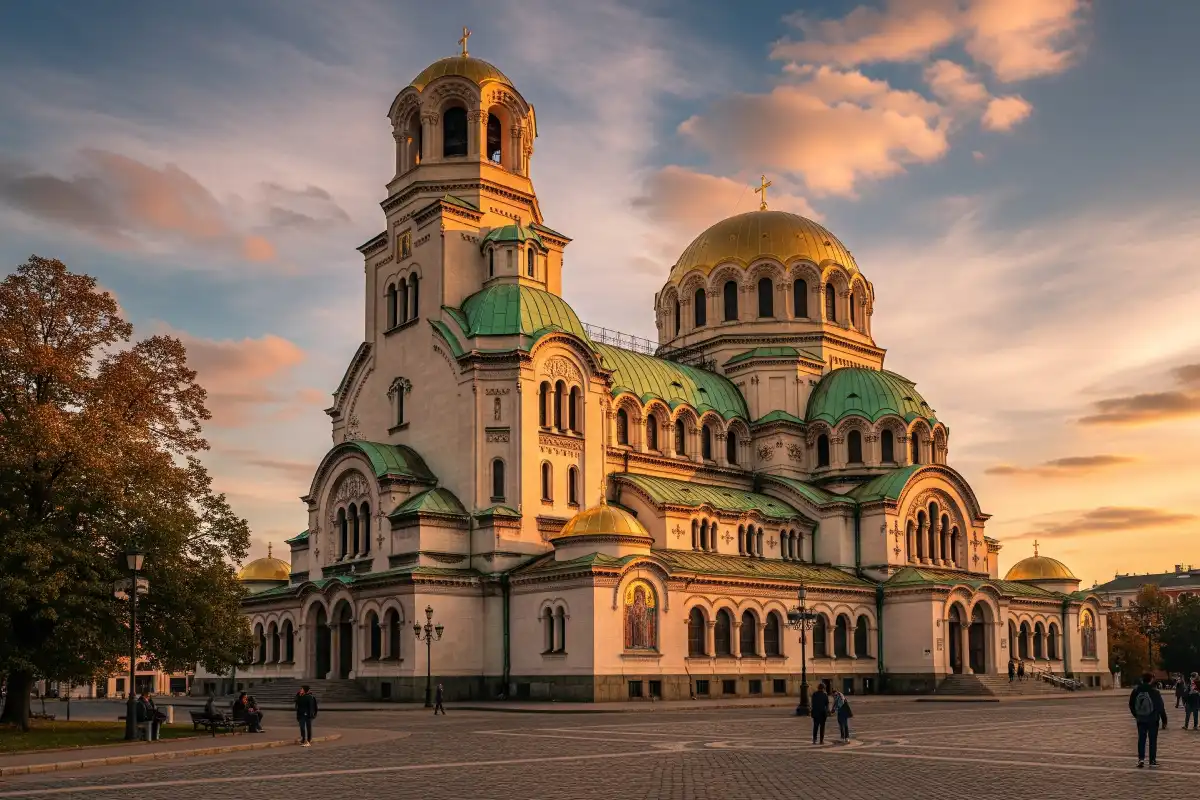
| City Center (Central Part) | Within walking distance of the main sights like the Alexander Nevsky Cathedral. | $10 – $20 | Ultimate convenience, a lively atmosphere, and a high concentration of hostels. |
| Vitosha Boulevard Area | The main pedestrian street, full of shops, cafes, and restaurants. | $12 – $25 | Great for nightlife and dining, with a vibrant energy. |
| Near Serdika Metro Station | A historical hub with Roman ruins, offering excellent transport links. | $10 – $22 | Central, historical, and perfect for exploring both above and below ground. |
Note: Prices are estimates for a dorm bed. Prices may be slightly higher during weekends and major events.
Tips for Saving on Accommodation:
- Book Off-Season: Visit in the shoulder season (May-June or September-October) for lower prices and pleasant weather.
- Look for Freebies: Many hostels offer free breakfast, free walking tours, or even free pub crawls.
2. Eating on a Dime: Sofia’s Budget Food Scene
Bulgarian cuisine is hearty and delicious. You can eat incredibly well in Sofia for a very low price by seeking out local bakeries, “mehana” (traditional restaurants), and street food stands.

Estimated Budget Food Costs (September 2025):
- Breakfast: 2 – 5 BGN ($1.10 – $2.80 USD) for a “banitsa” (a type of savory pastry) and a coffee.
- Lunch: 5 – 10 BGN ($2.80 – $5.60 USD) for a casual meal or a large slice of pizza.
- Dinner: 10 – 20 BGN ($5.60 – $11.20 USD) at a local “mehana” for a traditional meal.
- Daily Budget for Food: 20 – 40 BGN ($11 – $22 USD) is a very comfortable budget for a day of eating well.
Budget Eating Tips:
- Try “Banitsa” & “Döner”: These are local staples that are delicious, filling, and incredibly cheap.
- Go to a “Mehana”: These traditional restaurants offer large portions of local food at much lower prices than tourist-focused restaurants.
- Buy Groceries: Supermarkets like Billa and Kaufland are great for picking up snacks, drinks, and ingredients if you have kitchen access.
3. Getting Around: The Cost of Public Transit
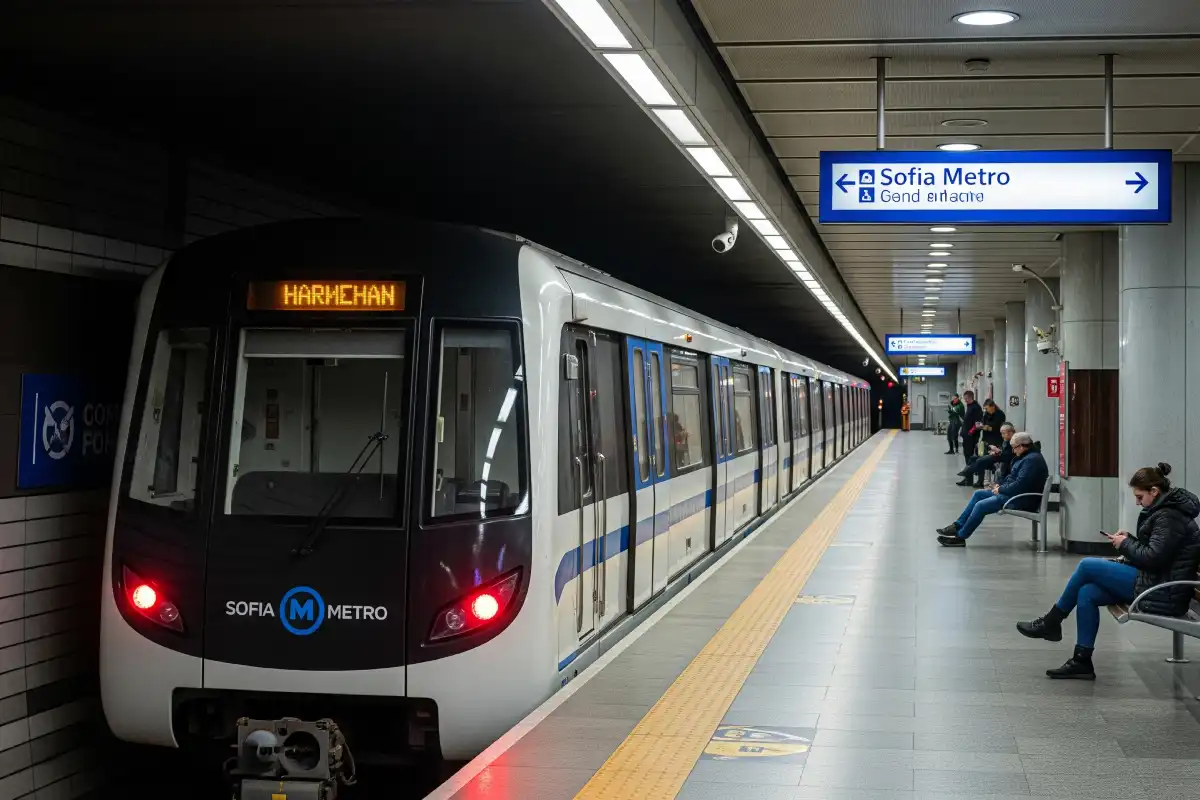
Sofia’s public transport system is a mix of metro, trams, and buses. It’s efficient, easy to use, and incredibly affordable. The city center is also very walkable, so you may not need public transport often.
Fares (As of September 2025, subject to minor changes):
- Single Ticket: 1.60 BGN (~$0.90 USD).
- Daily Pass: 4 BGN (~$2.20 USD). Excellent value for a day of exploring.
- 10-Trip Pass: 12 BGN (~$6.70 USD). A great option for a longer stay.
Tips for Transportation:
- Walk the Center: Most of the major sights are within a 15-20 minute walk of each other.
- Buy a Pass: If you plan to use public transport more than 2-3 times in a day, a daily pass is the most economical choice.
- Validate Your Ticket: Always validate your ticket in the machine before starting your journey. Plainclothes inspectors often check for valid tickets.
4. Staying Safe: Dangers, Scams, and Areas to Avoid
Sofia is a very safe city, with a low rate of violent crime. However, tourists should be aware of a few common scams and petty crime, especially in crowded areas.
Common Dangers & Scams:
- Pickpocketing: Be cautious in crowded areas like the metro, on trams, and in major tourist spots like Vitosha Boulevard and the Central Market Hall.
- Taxi Scams: Always use a reputable taxi company or a ride-hailing app like Uber or Bolt. Avoid unofficial taxis that may overcharge.
- “Card Skimming”: Be careful when using ATMs. It’s best to use ATMs located inside a bank to avoid card skimmers.
Areas to Be Cautious Of:
- The area around the Central Train and Bus Station at night: While generally safe during the day, this area can attract a sketchy crowd late at night.
- Certain Metro Lines: Be extra vigilant on crowded metro lines and trams, where pickpocketing is most common.
General Safety Advice:
- Trust Your Gut: If a situation feels off, trust your instincts and remove yourself.
- Secure Your Valuables: Keep your money, phone, and passport in a secure, front pocket or a travel-safe bag.
- Emergency Numbers: Police/Ambulance/Fire 112.
5. Ensuring a Positive & Unforgettable Sofia Trip
Sofia’s charm lies in its authenticity and the warmth of its people. To get the most out of your trip, embrace the local culture.
- Join a Free Walking Tour: This is a great way to get a local perspective on the city’s history and culture. Many hostels and tourist info centers offer them.
- Visit the Central Market Hall: Explore the market for a sensory overload of local food, spices, and a glimpse into everyday Bulgarian life.
- Hike Vitosha Mountain: For nature lovers, Vitosha is a fantastic day trip. You can take a bus or a lift up the mountain for stunning views and hiking trails.
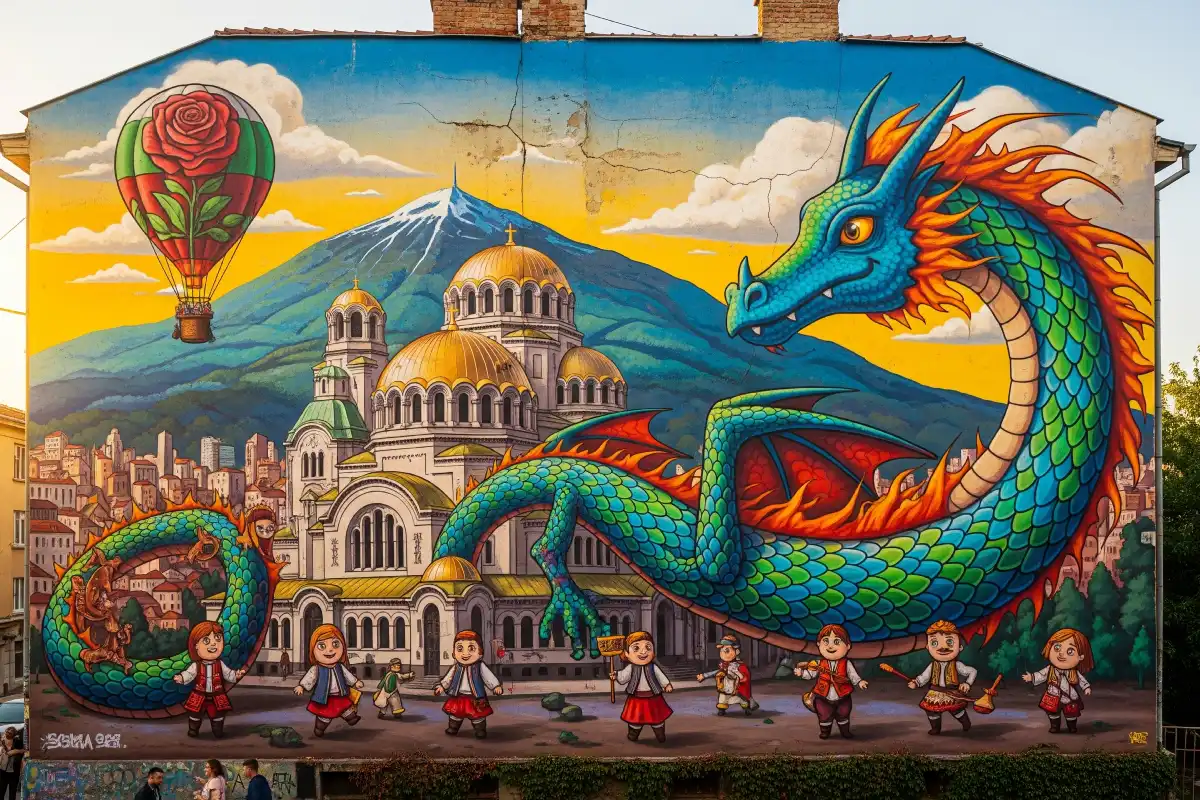
- Explore the Street Art: Sofia has a growing street art scene, especially around the city center. It’s a fun, free way to explore.
6. Sofia Travel FAQs (September 2025)
What is the currency in Bulgaria?
The currency is the Bulgarian Lev (BGN). The exchange rate is fixed to the Euro (€1 ≈ 1.95 BGN). Credit cards are widely accepted, but it’s good to have cash for small vendors.
How can I get from Sofia Airport to the city center?
The cheapest and most convenient way is to take the metro. Metro line 4 connects directly from Terminal 2 to the city center in about 20-30 minutes.
Is Sofia a walkable city?
Yes, the city center is very walkable. You can comfortably see most of the main sights on foot. The metro and trams are best for getting to areas further out.
Do I need to speak Bulgarian to visit Sofia?
No, English is widely spoken in tourist areas, hotels, and restaurants, especially by younger people. Knowing a few basic phrases in Bulgarian is appreciated but not essential.
Are there any free things to do in Sofia?
Yes, many of the best sights are free! You can explore the Alexander Nevsky Cathedral (from the outside), walk Vitosha Boulevard, visit the Rotunda of St. George, and join a free walking tour.
Your Sofia Adventure Awaits!
Sofia is a city full of history and charm, offering incredible value for travelers. With these tips, you’re ready to explore its beautiful streets and experience its unique culture. Enjoy your trip to this Bulgarian gem!
Start Planning Your Sofia Trip