Safety Tips for Traveling in Southeast Asia
Southeast Asia is a backpacker's paradise, a land of ancient temples, stunning beaches, and delicious street food. Millions of travelers flock to the region every year, drawn by its rich culture and affordability. While the vast majority of trips are safe and trouble-free, it's wise to be prepared. The biggest risks for tourists are typically petty theft and common scams, not violent crime. With a bit of awareness and some simple precautions, you can navigate the region with confidence and enjoy a memorable adventure. This guide will provide an honest look at **safety tips for traveling in Southeast Asia**, sharing practical advice from seasoned travelers who have successfully explored the continent.
Common Scams and How to Avoid Them 🕵️
Scams are often opportunistic. By being aware of the most common ones, you can easily avoid them.
1. The “Free” Tuk-Tuk Ride 🚕
This is a classic scam, especially in places like Bangkok. A tuk-tuk driver offers you a free or incredibly cheap ride, but the catch is that they will take you to a jewelry store or tailor shop and pressure you to buy something. The best way to avoid this is to **never accept a free ride**. Always agree on a price beforehand or use a ride-sharing app like Grab or Gojek.
2. The Motorbike Rental Scam 🛵
You rent a motorbike, and the owner later accuses you of damaging it and demands a large fee. To avoid this, **take photos and a video** of the motorbike from all angles before you ride it. Point out any existing scratches or dents to the owner. Never leave your passport as collateral; a photocopy or a small cash deposit is enough.
Experienced Traveler’s Insight: Chloe, from a Travel Forum
“I’ve heard so many horror stories about the motorbike rental scam. My rule is to always document everything. I’ll take a quick video of the bike, from the tires to the mirrors, and even point out any scratches. I’ve never had a problem since I started doing this.”
Protecting Your Belongings 🔒
Petty theft is the most common crime against travelers. A few simple steps can protect you and your valuables.
1. Use a Lock and a Money Belt 🔐
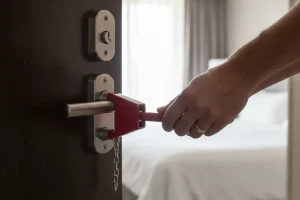
Always lock your backpack or suitcase, even in a private room. Use a small padlock on your zippers. For your most valuable items passport, extra cash, and credit cards use a **money belt** that you can wear under your clothes. This keeps your most important documents safe from pickpockets in crowded markets or on public transportation.
2. Be Aware of Your Surroundings 🚶
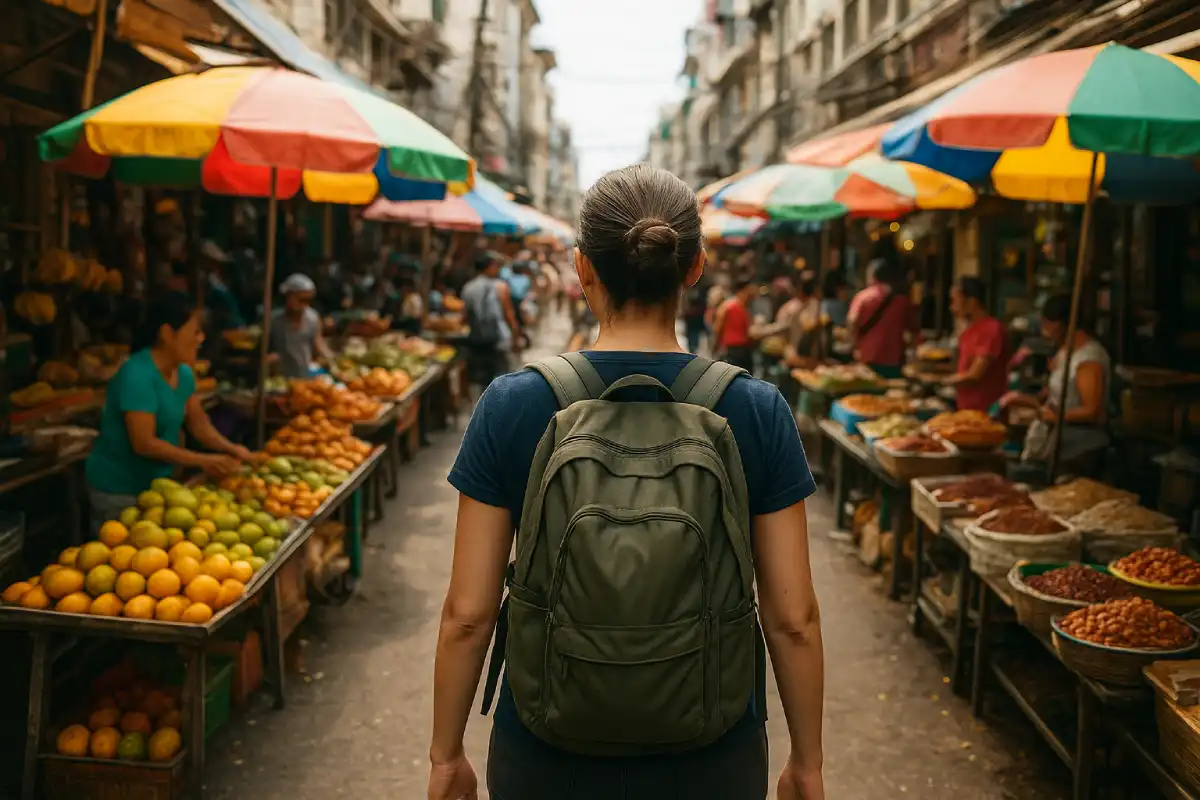
This simple rule is your best defense. Don’t walk around with your phone in your hand, as it can be easily snatched by someone on a scooter. Keep your bag in front of you on a crowded street, and be mindful of who is around you. In cafes, don’t leave your phone or wallet on the table unattended. Be especially careful in crowded areas like bus stations and markets.
3. Only Carry What You Need 💳
Before you leave your accommodation, decide what you need for the day. Take out enough cash for your day’s expenses and leave the rest in a secure place. If you have a backup credit card, leave that in the hotel safe as well. This minimizes your risk of losing everything if your wallet is stolen.
Travel Journalist Insight: Jessica, “Backpacker Magazine”
“I have a simple routine. Before I leave the hotel, I’ll take out a small amount of cash, put my phone in a front pocket, and leave my passport in my locked bag. It takes less than a minute but has kept me from ever being a target.”
Frequently Asked Questions About Safety in Southeast Asia
What about food safety?
Street food is a must-try, and it’s generally very safe. Look for stalls that are busy and have a high turnover of customers. This means the food is fresh and not sitting out for a long time. Drink bottled water and avoid ice cubes unless you’re sure they are made from filtered water. If something looks or smells off, it’s best to skip it.
Is it safe for solo female travelers?
Yes, Southeast Asia is a very popular destination for solo female travelers. The key is to trust your instincts, avoid walking alone at night in unlit areas, and dress respectfully, especially when visiting religious sites. Many hostels and tours cater to solo travelers, making it easy to meet people and travel in groups if you prefer.
How do I handle a bribe or a corrupt official?
This is rare, but if it happens, stay calm and be polite. Most often, the situation can be resolved by offering a small amount of money (e.g., $5 or $10). Do not get angry or confrontational. If you feel uncomfortable, you can politely ask to speak to a supervisor. In most cases, they will back down.
Conclusion: Be Smart, Not Scared
Southeast Asia is a welcoming and vibrant region, and the vast majority of people you meet will be kind and helpful. The key to a safe trip is to be smart, not scared. By taking proactive steps to protect your belongings, being aware of your surroundings, and knowing how to spot common scams, you can travel with confidence. So go on, explore the wonders of the region, and let your adventure be about the people you meet and the places you see, not the trouble you avoided.