Safe Travel Checklist: What to Pack and Prepare
The thrill of travel is often accompanied by a low hum of worry: *What if I lose my passport? What if I get sick?* Experienced travelers know that the key to eliminating this anxiety lies in thorough preparation. Safety isn't just about avoiding dangerous areas; it's about building a robust safety net a **Safe Travel Checklist** that covers everything from physical health to digital security and emergency contingency plans.
Phase 1: Critical Document and Financial Preparedness 📑
The first line of defense against travel disasters is having your paperwork in order and backups ready.
1. The Three Copies Rule for Documents
Never rely on a single physical copy of your most important papers.
- **Digital Copy:** Scan or take clear photos of your passport, visa, driver’s license, credit cards (front and back, excluding CVV), and travel insurance policy. Store them securely in a password-protected cloud service or encrypted folder (e.g., Google Drive, Dropbox).
- **Physical Copy:** Keep a hard copy of all these documents separate from the originals (e.g., originals in your money belt, copies in your checked bag or locked in your hotel safe).
- **Home Contact Copy:** Leave a third set of copies with a trusted emergency contact back home.
2. Financial Redundancy
Avoid having all your financial eggs in one basket.
- **Multiple Cards:** Carry at least two debit/credit cards from different banks (or different card networks like Visa and Mastercard). Keep them stored in separate physical locations (e.g., one in your wallet, one tucked away in your luggage).
- **Local Cash:** Always exchange a small amount of local currency before landing. This covers initial transport and food costs if ATMs are unavailable or out of service.
- **Notify Banks:** Call your banks and credit card companies to inform them of your travel dates and destinations to prevent fraud alerts and card freezing.
Security Expert’s Advice: Ken C., International Safety Consultant
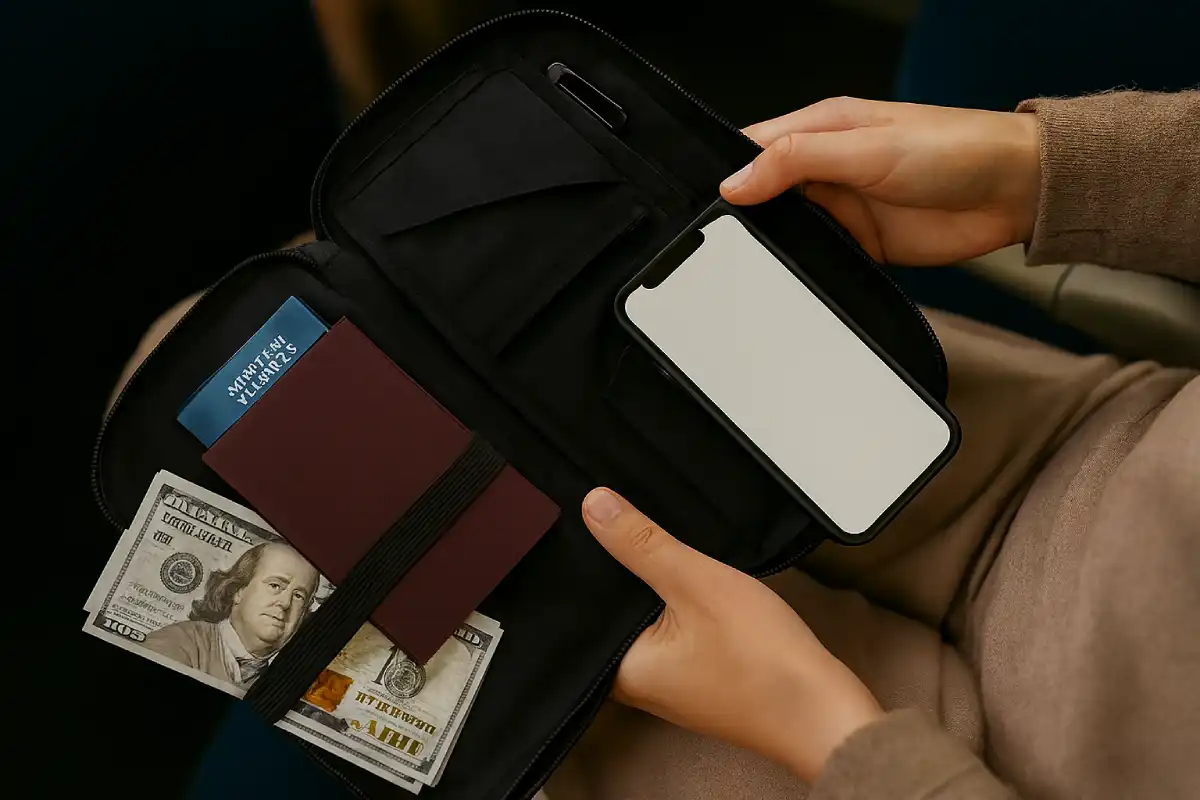
“Use a **front pocket wallet** or a thin money belt under your clothes for your primary passport and primary cash. Never use a backpack or back pocket for your absolute necessities while walking in crowds. The simple act of keeping valuables close to your body and sight deters most petty theft.”
Phase 2: Health and Medical Readiness 💊
Proactive health preparation minimizes risks and makes mid-trip ailments manageable.
1. Essential Medical Documentation
Beyond your insurance card, have a **concise medical summary** ready:
- **Prescription Names:** Carry a list of all prescription medications, using their **generic names** (not just the brand names, which vary globally). Keep a copy of the actual prescriptions.
- **Allergies and Conditions:** Create a small card listing any severe allergies (food, drug) or chronic medical conditions. Laminate it and keep it in your wallet.
2. The Traveler’s First-Aid Kit
Your kit should go beyond bandages; it should include items specific to your destination’s risks:
- **Diarrhea Relief:** Anti-diarrheal medication (Loperamide) and oral rehydration salts (ORS) are mandatory for most international trips.
- **Basic Over-the-Counter:** Pain relievers, motion sickness pills, antihistamines, and antiseptic wipes.
- **Destination Specific:** If traveling to a tropical zone, pack high-quality insect repellent (with DEET) and sun protection.
Long-Term Traveler’s Insight: Dr. Maya R., Public Health Forum Contributor
“Before leaving, **download and save the contact details for your country’s local embassy or consulate** in every major city you visit. In a true emergency (lost passport, legal trouble), they are your most vital resource. Don’t rely on being able to search for them without Wi-Fi.”
Phase 3: Digital and Personal Security 💻
Your digital footprint needs protection as much as your physical gear.
1. Digital Security Measures
- **VPN Use:** Use a Virtual Private Network (VPN) when connecting to any public Wi-Fi (airports, cafes, hotels). This encrypts your data and protects sensitive information like banking details.
- **Device Locks:** Ensure all devices (phone, laptop, tablet) have strong passwords, PINs, or biometric locks enabled.
- **Two-Factor Authentication (2FA):** Activate 2FA on all important accounts (email, banking, social media) to block unauthorized access, even if a password is stolen.
2. Secure Your Luggage and Belongings
- **Secure Bag:** Use a small, high-quality cable lock on your main luggage zippers. This deters opportunistic theft and is essential for securing your bag in hostels or on trains.
- **Day Pack Strategy:** Keep your day pack small and worn across your chest in crowded areas, especially when on public transport. Only carry the day’s necessary cash and minimal valuables.
Frequently Asked Questions About Safe Travel Preparation
Where is the safest place to store physical document copies?
Store physical copies separate from the originals. The originals should be secured on your person (money belt or secure inner jacket pocket). The copies should be placed in the bottom of your **main luggage** (checked bag or backpack) and locked. This ensures if one is lost, the other remains safe.
What is a good strategy for managing daily cash securely?
Use the **Decoy Wallet Strategy**. Carry a primary wallet with most of your funds and cards hidden away, and a cheap ‘decoy’ wallet or purse with only enough cash for the day’s small purchases and maybe one expired card. If approached by a thief, hand over the decoy wallet immediately.
Is it safe to use my phone for navigation in high-risk areas?
Using a phone for navigation makes you a target. Pre-plan your route and look at the map quickly before leaving a safe location. If you must check, duck into a doorway or step inside a shop, rather than standing on a busy street corner holding up an expensive device.
Should I register my trip with my embassy?
Yes. Many countries have programs (like STEP for US citizens or similar programs for other nations) where you register your travel dates and itinerary. This allows the embassy or consulate to contact you quickly in case of a natural disaster, civil unrest, or family emergency back home.
What is the most common reason travelers get into trouble?
The most common cause of trouble is **lack of awareness, often coupled with excessive alcohol consumption.** Staying sober, paying attention to your immediate surroundings, and not trusting strangers with your valuables are the best ways to prevent 90% of travel-related crime and mishaps.
Conclusion: Peace of Mind is the Best Travel Gear
Safe travel is the product of good planning. By systematically addressing your documents, health, and security before you step out the door, you equip yourself with the resilience needed to face the unexpected. The effort you put into preparation from encrypting your files to packing your personal medical kit is an investment that pays off not just in safety, but in the peace of mind that allows you to fully immerse yourself in the joy of your journey.