Off-piste skiing safety tips
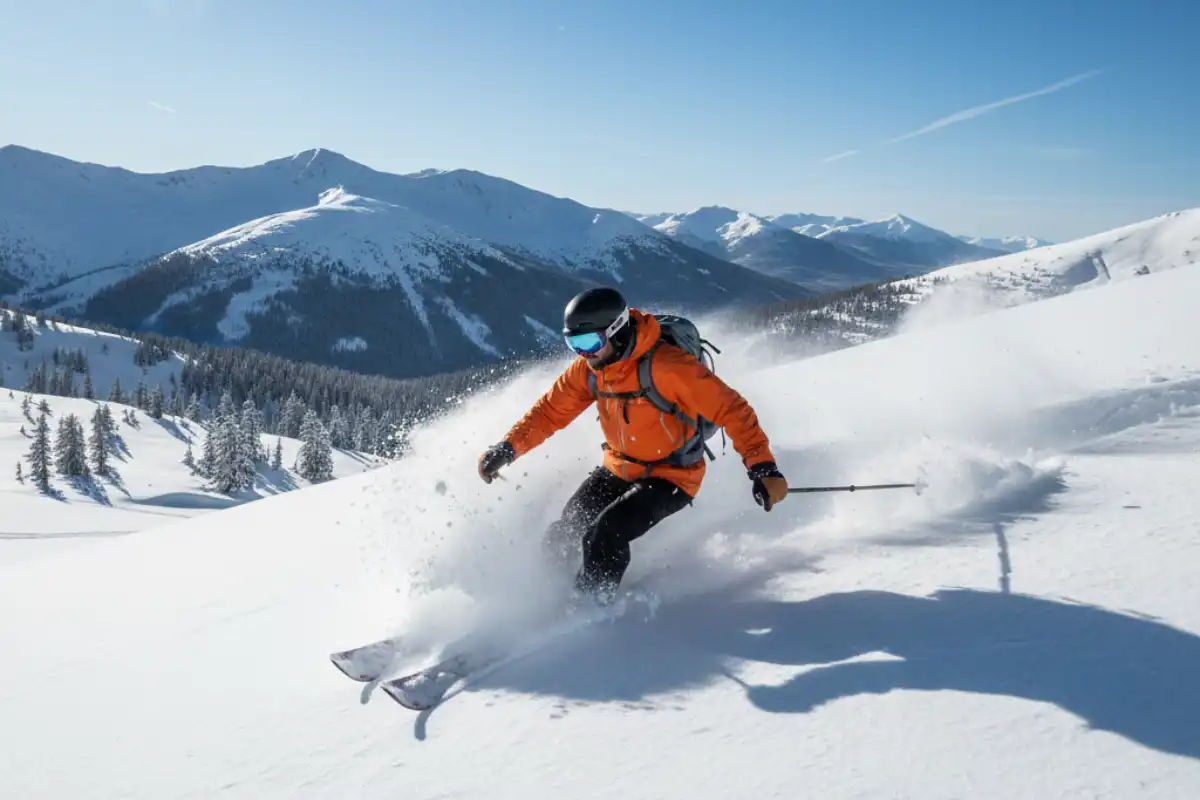
The allure of **off-piste** (backcountry) skiing fresh powder, untouched terrain, and quiet solitude is undeniable. However, leaving the marked trails means stepping outside the controlled environment of the resort and accepting the risks of the wilderness, primarily **avalanches**. Safety in the backcountry is not about luck; it is about knowledge, preparation, and stringent adherence to protocol.
The Three Essential Pieces of Avalanche Gear
No one should ever venture into uncontrolled terrain without the following three items, and crucially, knowing how to use them proficiently.
1. Avalanche Transceiver (Beacons)
This is a device that transmits a radio signal to allow a buried person to be located by others. They must be turned on and set to **transmit** before leaving the resort boundary and worn close to the body (under the jacket).
2. Shovel
Once a victim is located by the transceiver and probe, the **shovel** is used for digging. Studies show that digging takes up the majority of rescue time. A lightweight, metal-bladed shovel (plastic can break) is non-negotiable.
3. Probe
A collapsible pole, typically 2.5–3 meters long, used to pinpoint the exact location and depth of a buried person once the transceiver has narrowed down the search area.
Ski Patroller’s Advice: Practice is Non-Negotiable
“Owning the gear means nothing if you can’t use it in a panic. The standard time to find and dig out a person is 15 minutes, but the critical survival window is 18 minutes. You must drill scenarios regularly with your group until transceiver search, probing, and shoveling are instinctive. Aim to locate a buried beacon in under 5 minutes.” (Source: National Ski Patrol Journal)
Pre-Trip Planning and Training 🗺️
1. Get Formal Training (Avalanche Courses)
Enroll in an official **Avalanche Safety Course** (often referred to as AIARE Level 1 or equivalent). This course teaches you how to understand snowpack stability, identify dangerous terrain features (like cornices and wind slabs), and interpret avalanche forecasts. This knowledge is far more valuable than the gear itself.
2. Check the Daily Forecast
Every morning, consult the local **Avalanche Forecast Center**. This forecast provides a hazard rating (typically 1 to 5) and explains which aspects (north/south-facing slopes) and elevations are most dangerous. If the rating is 3 (Considerable) or higher, extreme caution is warranted.
3. Know Your Group Protocol
Establish strict rules with your group before heading out:
- **Ski One at a Time:** Never expose your entire group to a potential slide path simultaneously. One person descends while the others watch from a safe zone.
- **Terrain Separation:** Maintain distance in open areas to prevent overloading the snowpack.
- **Communicate:** Always yell before crossing a slope or entering a drop zone.
Backcountry Decision-Making Hacks
1. The Companion’s Voice
Listen to the most cautious person in your group. Avalanche safety experts stress that ego and “summit fever” kill more skiers than ignorance. If anyone feels uncomfortable about a slope, **the group turns around**. The powder will be there another day.
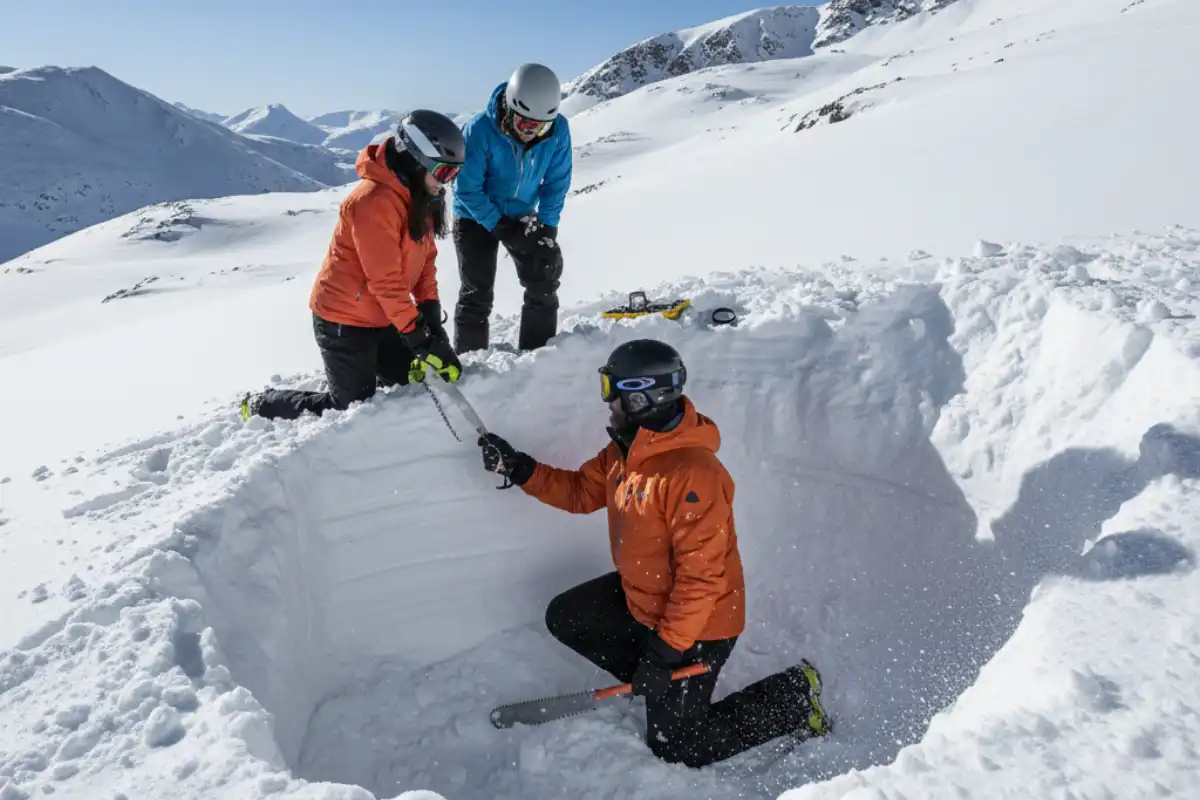
2. Dig a Snow Pit
If you suspect unstable snow, digging a **snow pit** allows you to analyze the layers and look for “weak layers” that could fail. While time-consuming, it provides critical, localized data that the general forecast cannot.
Frequently Asked Questions About Off-Piste Safety
Are Avalanche Airbags required for off-piste skiing?
Airbags (packs that inflate a large balloon above the head) are highly recommended but are considered **supplemental** gear. They increase your chance of staying on the surface of a slide, but they are not a substitute for the essential transceiver, shovel, and probe (the “three essentials”).
Is “side-country” (just outside the resort boundary) safer than true backcountry?
No. “Side-country” is often *more* dangerous because it is easily accessible, tempting less-experienced skiers who assume it’s controlled. The terrain is entirely uncontrolled, and rescue response times are identical to deep backcountry areas. Treat all unpatrolled terrain with maximum caution.
What is a tree well and how do I avoid it?
A tree well is a deep, hidden hole of loose snow that forms around the base of a tree, particularly conifers, where branches prevent snow from consolidating. Falling into one can lead to suffocation. The rule is simple: **never ski close to the base of trees** in deep snow conditions.
Is skiing with a guide safer than skiing with friends?
Generally, yes. A certified guide possesses high-level avalanche training, current local snowpack knowledge, and professional rescue skills. While guides cannot eliminate risk, they significantly mitigate it through superior decision-making and expertise. Guides should still require you to carry the three essential safety items.
How often should I check the avalanche forecast during a trip?
You should check the forecast **every single morning** before setting out. Conditions change daily based on new snowfall, wind loading, and temperature fluctuations. Do not rely on yesterday’s information.
Conclusion: Knowledge is Your Lifeline 🏔️
Off-piste skiing offers the ultimate freedom, but it demands the highest level of respect and preparation. Equip yourself with the right tools, secure formal training, and practice emergency protocols until they are second nature. The greatest safety tip is recognizing when to say “no.” By prioritizing knowledge and caution over chasing powder, you ensure that your backcountry adventures remain exhilarating, safe, and memorable.