Kyoto Cherry Blossoms: A Timeless Tradition
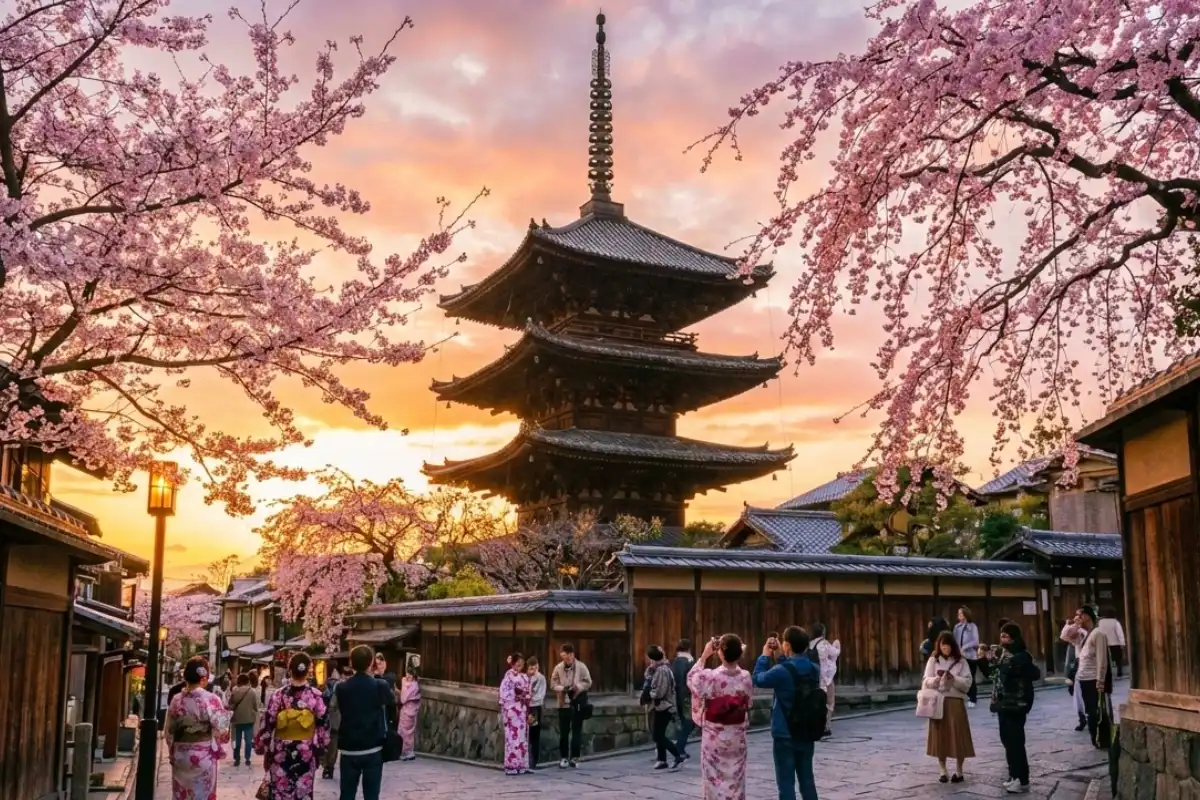
Kyoto in late March is a vision of ephemeral beauty. As the *Somei Yoshino* cherry blossoms (Sakura) begin to blanket the Philosopher's Path in shades of white and pink, the ancient capital of Japan becomes the world’s most sought-after destination. For 2026, Hanami (flower viewing) remains a cornerstone of Japanese culture, blending thousands of years of history with vibrant seasonal celebrations. While Sakura season is the most expensive time to visit, it is possible to experience the magic of Arashiyama and Gion without a luxury budget. This guide breaks down the essential costs, from capsule hotels to temple fees, ensuring your journey through the blossoms is both poetic and affordable.
1. Budget Sleep: Kyoto Hostel Rates & Neighborhoods (2026)
In 2026, Kyoto accommodation during Sakura season requires booking at least 4–6 months in advance. To keep costs low, look toward the Shimogyo and Minami wards near Kyoto Station or traditional Machiya-style hostels in Nakagyo.
| Ward / District | Vibe & Accessibility | Hostel Dorm (Avg. per night) | Capsule/Private Budget |
|---|---|---|---|
| **Shimogyo (Kyoto Station)** | Excellent transport hub, modern. | **¥5,500 – ¥7,500** | **¥9,000 – ¥13,000** |
| **Nakagyo (Downtown)** | Central, near markets and nightlife. | **¥6,000 – ¥8,000** | **¥10,000 – ¥15,000** |
| **Higashiyama (East)** | Traditional, near major temples. | **¥7,000 – ¥9,500** | **¥12,000 – ¥18,000** |
| **Minami Ward (South)** | Quieter, more residential, cheaper. | **¥4,500 – ¥6,500** | **¥8,000 – ¥11,000** |
Pro Tip: Consider staying in **Otsu (Shiga Prefecture)**, just a 10-minute train ride from Kyoto. Prices can be 30% lower even during peak bloom.
2. Dining on a Budget: Conbini to Kaiseki-Lite
Kyoto is famous for *Kyo-ryori* (Kyoto cuisine), but you don’t need a ¥30,000 bill to eat well. In 2026, the budget food scene is thriving with international and local options.
- **Breakfast:** A *conbini* (convenience store like 7-Eleven or Lawson) breakfast of onigiri, egg sandwich, and coffee: **¥600 – ¥900**.
- **Lunch:** A bowl of Ramen or Udon in a local shop: **¥1,000 – ¥1,500**. Check the basement food halls (Depachika) of department stores like Daimaru for premium bento boxes at a discount after 7 PM.
- **Dinner:** Conveyor belt sushi (Kura Sushi or Sushiro) or a local *Izakaya* meal with a drink: **¥2,500 – ¥4,000**.
- **Street Food:** During Hanami festivals at Maruyama Park, yakitori sticks or takoyaki cost **¥500 – ¥800**.
3. Sakura Experiences: Entertainment & Cultural Costs
Kyoto in spring is about more than just walking; it’s about participating in centuries-old traditions. Many activities are seasonal and highly popular.
- **Temple Entry Fees:** Most major temples (Kiyomizu-dera, Kinkaku-ji) charge **¥400 – ¥600**.
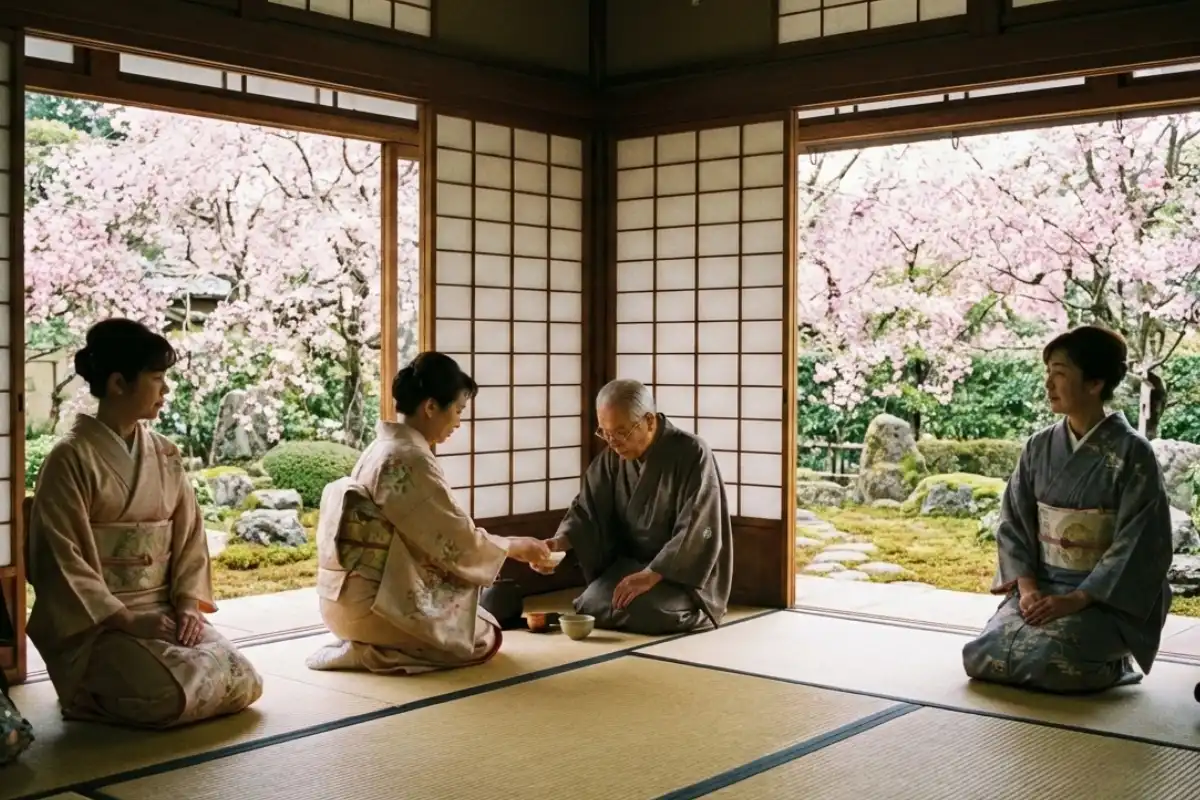
- **Tea Ceremony Experience:** A 45-minute guided session in a traditional house: **¥2,500 – ¥4,500**.
- **Kimono Rental:** A full day of rental with dressing services: **¥3,500 – ¥6,000**.
- **Arashiyama Hozugawa River Boat Ride:** A stunning 2-hour drift through cherry-lined canyons: **¥4,500 – ¥5,500**.
- **Night Illuminations:** Many temples (like Kodai-ji or Nijo Castle) have special light-up events: **¥600 – ¥1,500**.
4. Navigating the Capital: Bus, Train, and Bike
In 2026, Kyoto has optimized its transport for tourists. The city is very walkable, but the subway is the fastest way to avoid traffic.
- **Subway/Bus One-Day Pass:** **¥1,100**. This covers nearly all transit within the city and is the best value.
- **IC Card (ICOCA/Suica):** Pay-as-you-go convenience. A typical trip is **¥210 – ¥350**.
- **Rental Bicycle:** **¥1,500 – ¥2,000 per day**. Kyoto is flat and bike-friendly, though parking in Gion is strictly regulated.
- **Taxi:** Base fare is **¥500 – ¥600**. Useful for short trips with groups, but expensive for long distances.
5. Safety & Etiquette: Protecting Your Zen
Kyoto is incredibly safe, but “Overtourism” has led to strict rules and a few rare pitfalls for the unaware.
- **Maiko Photography Scams:** In Gion, it is illegal to take photos of Geiko/Maiko on private streets. You may face a fine of **¥10,000**. Also, beware of “fake” Geisha who charge for photos.
- **Temple “Monks”:** Be wary of people dressed as monks in busy areas like Arashiyama handing out “blessed” trinkets and then demanding large donations. Real monks do not solicit money this way.
- **Restaurant Touts:** In Pontocho Alley, some bars may have hidden “seat charges” (Otoshi). Always check for a cover charge before entering.
Areas to be alert:** Crowded buses and trains are the only places where petty pickpocketing might occur, though still rare. Be cautious around the **Kawaramachi** nightlife district late at night regarding intoxicated individuals.
6. Expert Tips for a Positive Sakura Journey
- **Early Bird Gets the Blossom:** Arrive at Kiyomizu-dera or Fushimi Inari at **6:00 AM**. By 9:00 AM, the crowds make photography almost impossible.
- **The “Philosopher’s” Secret:** For a quieter experience, walk the Philosopher’s Path at night. The trees are often subtly lit by street lamps without the massive daytime tour groups.
- **Book the Shinkansen:** If coming from Tokyo, book your “S-Work” or “SmartEX” seat in advance. Luggage space for large suitcases must be reserved!
- **Respect the Trees:** Never touch the cherry blossom branches or shake the trees for photos. It is considered extremely rude and harmful to the blossoms.
7. Frequently Asked Questions
When is the best time to see blossoms in 2026?
Predicted peak bloom (Mankai) for 2026 is between March 28th and April 5th. However, early varieties bloom in mid-March.
Is the Japan Rail Pass (JR Pass) worth it for Kyoto?
Usually no, unless you are traveling between 3+ major cities. Within Kyoto, JR lines are limited; the subway and bus network is much more useful.
Do I need cash in Kyoto?
While most hotels and shops take cards, many temples, small ramen shops, and bus machines remain **cash-only**. Always carry ¥10,000 in physical currency.
Are there public toilets?
Yes, Japan has excellent, clean, and free public toilets in parks, train stations, and convenience stores.
Can I eat and drink in public?
In Japan, eating while walking is generally frowned upon. During Hanami, it is acceptable to eat while sitting on a picnic mat in a park, but not while moving through crowds.
Ready to witness the cherry blossoms of the ancient capital? Start planning your spiritual and affordable Kyoto adventure today!
Find Kyoto Hostel Deals for March 2026