How to Travel with Dietary Restrictions Without Overspending
In the travel landscape of May 2026, having dietary restrictions whether by choice or necessity no longer means being confined to overpriced "specialty" restaurants or surviving on plain white rice. However, the "allergy tax" remains a reality in many tourist hubs. From the gluten-free bakeries of Paris to the vegan street food stalls of Bangkok, the secret to maintaining your health and your wallet lies in strategic preparation and local knowledge. Insights from the 2026 Digital Nomad Food Survey and active threads on Reddit’s CeliacTravel suggest that the biggest expense isn't the food itself, but the lack of options when you're hungry and desperate. By leveraging new 2026 tech tools and age-old local shopping habits, you can turn a restrictive diet into a gateway for more authentic, affordable exploration.
1. The Kitchen Advantage: Accommodation Strategy
The single most effective way to avoid the 30% markup on “free-from” restaurant meals is to have control over your own breakfast and dinner. In 2026, travelers are moving away from traditional hotels toward “Apart-hotels” and co-living spaces that provide professional-grade communal kitchens.
- **The “First Night” Shop:** Instead of hunting for a safe restaurant while jet-lagged, head to a local supermarket. In 2026, most EU and Asian supermarkets have clear, standardized icons for the top 14 allergens.
- **Portable Safety:** For those with severe allergies, 2026 has seen a surge in “portable induction burners” or high-end insulated food containers that allow you to carry safe, home-cooked meals through a full day of sightseeing.
- **Hostel Culture 2.0:** Many hostels now offer “Allergy-Safe” zones in communal fridges to prevent cross-contamination, a tip frequently praised on SoloTraveler forums this year.
2. Leveraging 2026 Tech: AI and Translation
Gone are the days of carrying crumpled paper “allergy cards.” In May 2026, real-time AI translation has become the gold standard for safe dining.
Pro-Tip: Use AI Image Recognition
“The 2026 update to Google Lens and similar AI tools now allows you to scan an entire ingredient list and instantly highlight potential allergens in your native language,” notes a contributor to Vegan Voyager Magazine. “It even flags hidden ingredients like ‘natural flavors’ that might contain barley or animal derivatives, saving you from expensive mistakes.”
The “Local” Search Hack
Instead of searching for “Gluten-free restaurant” (which targets tourists), search for the local name of naturally safe dishes. For example, in Vietnam, many traditional *Pho* stalls are naturally gluten-free; in Mexico, traditional corn-based tacos al pastor are your best friend. Finding these “naturally safe” spots keeps prices at the local level.
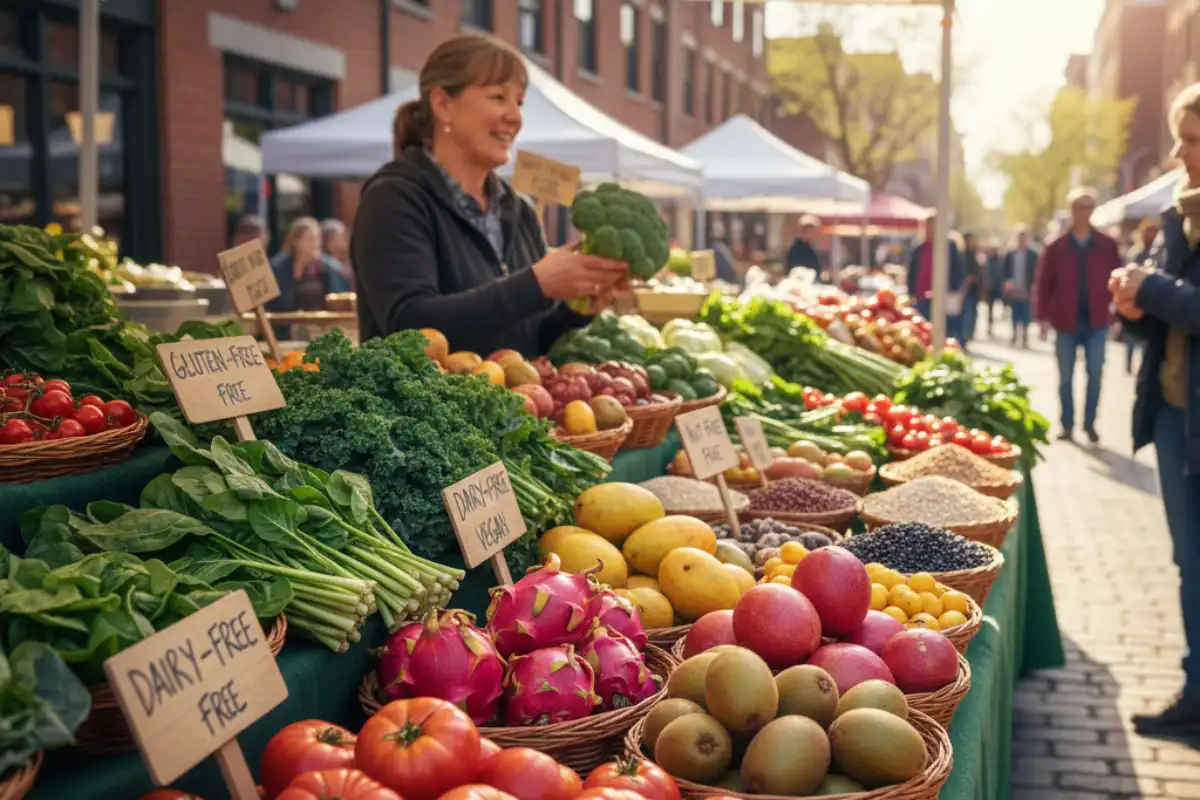
3. Market Hopping: The Ultimate Budget Hack
Restaurant districts are often designed for the “standard” palate. To find affordable, restricted-diet-friendly food, head to where the ingredients start: the local markets.
- **Freshness is Safety:** Buying whole fruits, vegetables, nuts, and cheeses directly from producers reduces the risk of hidden additives often found in processed restaurant meals.
- **Street Food Surveillance:** “Watch the vendor for 5 minutes before ordering,” suggests a popular 2026 travel vlogger. “Check for cross-contamination do they use the same tongs for the bread as they do for the grilled meat? If they do, move to the next stall. It’s free to watch, but a reaction is expensive.”
- **The “Lunch Special” Pivot:** If you must eat out, do it at lunch. In 2026, many high-end, dietary-conscious bistros offer a prix fixe lunch that is half the price of their dinner menu.
Frequently Asked Questions: Budget Dietary Travel 2026
How do I explain my restriction in a foreign language without being misunderstood?
Use a “Chef’s Card.” These are 2026-updated digital or physical cards that don’t just say “No Gluten,” but explain cross-contamination (e.g., “I cannot eat food cooked in the same oil as bread”). Most are now available as QR codes that waiters can scan to see the translation in their local dialect.
Is it cheaper to pack my own snacks or buy them there?
Always pack “emergency” staples (protein bars, seed butters, or GF crackers) for transit days. Specialty snacks in airports or tourist kiosks in 2026 are priced at a 200% premium. However, for daily meals, buying local produce is always cheaper than carrying heavy bags.
Are “Allergy-Friendly” hotels worth the extra cost?
Only if you have life-threatening airborne allergies. For most, a standard hotel with a mini-fridge and a nearby high-quality supermarket provides the same safety at a fraction of the “boutique wellness” price.
How do I find cheap vegan or GF food in “meat-heavy” countries?
Look for religious cuisines. In many countries, “Lenten” menus or temple foods (like Shojin Ryori in Japan or Buddhist cuisine in China) are naturally vegan and very affordable because they are based on seasonal staples rather than expensive meat substitutes.
Can I trust “Nut-Free” or “Gluten-Free” labels in street markets?
Labels in markets are rare. Your best bet is to stick to “single-ingredient” foods grilled corn, roasted nuts (in their shells), or whole fruit. If a dish has a complex sauce, assume it contains your allergen unless you can see every ingredient used.
Conclusion: Empowerment Through Knowledge
Traveling with dietary restrictions in 2026 is no longer a barrier to seeing the world it is an invitation to be more intentional with your journey. By shifting your focus from “specialty” tourist venues to local markets and using AI tools to bridge the language gap, you can eat safely and deliciously on a budget. Remember, the goal is to feed your soul with new experiences without draining your bank account or compromising your health. The world is on your plate; just choose the ingredients wisely.
Would you like me to help you find the best ‘naturally safe’ local dishes for a specific country you are planning to visit this summer?